Explain On ; Chapter Eleven (3 Parts)

Account upgrade
The download is free, but we offer some paid services. Support us by subscribing
Delete ads and speed up browsing the library.
The download starts with the click of a button without waiting for the book to be ready.
No limits for download times.
You can upload unlimited books in the library.
Enable readers to download your books without waiting.
Delete ads on the books that you publish.
No problems with download links for your uploaded books.
Book Explain On Chapter Eleven 3 Parts
Copyright reserved
The book cannot be previewed or downloaded in order to preserve the copyright of the author and publishing house
Not available digitally or on paper through the Noor Library, it is for rating and review



Explain On ; Chapter Eleven (3 Parts)
| Author: | Muhammad Bin Ali Bin Abi Jamhour AlAhsai |
| Category: | Islamic Landmarks [Edit] |
| Language: | Arabic |
| Publisher: | دار المحجة البيضاء للطباعة والنشر والتوزيع |
| Pages: | 900 |
| Rank: | 309,620 No 1 most popular |
| Short link: | Copy |
| More books like this book | |
Book Description
شكّل علم الكلام الإسلامي البنية الأساسية للمنظومة المعرفية الدينية للمسلمين. وعلى الرغم من أهميته وحساسية موقعيته في المنظومة الدينية الإسلامية نجد أن علم الكلام قد لاقى تهميشاً وصدوداً من قِبَل العلماء المسلمين بخلاف الفقه وأصوله، وذلك في القرن التاسع الهجري. ويشهد على ذلك كثرة الفقهاء ومصنّفاتهم الفقهية وقلة المتكلمين ومصنّفاتهم الكلامية في ذلك القرن والذي قبله. إلا أن هذا الركود للعقل الكلامي تحرك على يد بعض العلماء كالشيخ إبن ابي جمهور الأحسائي (838-بعد 906 للهجرة) فنجده – وبالرغم من كونه فقيهاً بارزاً في الوسط الشيعي الإمامي ومحدثاً مصنّفاً في الحديث – متكلماً بارعاً مكثراً من التصانيف الكلامية، وقائمة مؤلفاته تكشف عن ذلك، حتى عُدّ من ابرز متكلمين الشيعة في القرن التاسع والعاشر الهجريين.
وسعياً منا للكشف عن جزء من المشهد الكلامي الإمامي في القرن التاسع والعاشر الهجريين نضع بين يدي الباحث الكريم هذا الكتاب: شرح على الباب الحادي عشر. فهذا الكتاب يقوم على عدة افكار اساسية أهمها: الإسهام في دراسة العقائد الإسلامية الأساسية من توحيد وعدل ونبوّة وإمامة ومعاد وغيرها من العقائد الإسلامية، بما يتناسب مع العقل الكلامي الإمامي في زمن مؤلفه.
بالإضافة إلى ذلك يسعى هذا الكتاب إلى دراسة العقائد الإسلامية باعتماد المنهج المقارن. فنجد إبن ابي جمهور قام بعرض لآراء الفرق الإسلامية في علم الكلام، وبالخصوص منها المعتزلة والأشاعرة والإمامية؛ لما لعبته هذه الفِرق الإسلامية الثلاث من دور مهم ورئيسي في تشكيل وتطوير علم الكلام الإسلامي والأخذ بزمامه.
وعليه، يعد هذا الكتاب من كتب علم الكلام الإسلامي المقارن.

Copyright reserved
The book cannot be previewed or downloaded in order to preserve the copyright of the author and publishing house
Not available digitally or on paper through the Noor Library, it is for rating and review
Share the book :
Book Review "Explain On ; Chapter Eleven (3 Parts)"

Book Quotes "Explain On ; Chapter Eleven (3 Parts)"

Other books like "Explain On ; Chapter Eleven (3 Parts)"







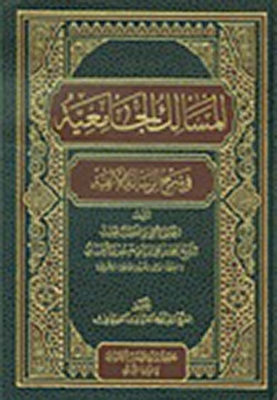
Other books for "Muhammad Bin Ali Bin Abi Jamhour AlAhsai"



If there is a problem with the book, please report through one of the following links:
Report the book or by Contact us
E-books are complementary and supportive of paper books and never cancel it. With the click of a button, the e-book reaches anyone, anywhere in the world.
E-books may weaken your eyesight due to the glare of the screen. Support the book publisher by purchasing his original paper book. If you can access it and get it, do not hesitate to buy it.
Publish your book now for free