General Theory Of Law - Legal Base - Right

Account upgrade
The download is free, but we offer some paid services. Support us by subscribing
Delete ads and speed up browsing the library.
The download starts with the click of a button without waiting for the book to be ready.
No limits for download times.
You can upload unlimited books in the library.
Enable readers to download your books without waiting.
Delete ads on the books that you publish.
No problems with download links for your uploaded books.
Book General Theory Of Law Legal Base Right
Copyright reserved
The book cannot be previewed or downloaded in order to preserve the copyright of the author and publishing house
Not available digitally or on paper through the Noor Library, it is for rating and review

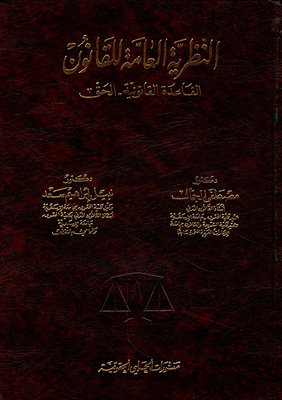

General Theory Of Law - Legal Base - Right
| Author: | Mustafa AlGammal |
| Category: | Legal Legislation [Edit] |
| Language: | Arabic |
| Publisher: | منشورات الحلبي الحقوقية |
| Release Date: | 01 Aug 2002 |
| Pages: | 684 |
| Rank: | 215,144 No 1 most popular |
| Short link: | Copy |
| More books like this book | |
Book Description
إن من يتأمل الواقع القانوني في العالم الإسلامي والعربي، لا بد أن يلاحظ أن ازدواج منابع الثقافة القانونية أصبح ظاهرة عامة فيه لا تفلت منها دولة مهما كانت توجهاتها. حقاً أن هناك دولاً ما زالت وفيه للشريعة الإسلامية وللثقافة القانونية الإسلامية، وأخرى تركت الشريعة الإسلامية والفقه الإسلامي إلى صناعة القانون بالشكل وبالمضمون الذي أفرزته الحضارة الغربية. ولكن الحاجة الملحة تملي على الأولى استحداث بناء تشريعي على النمط الغربي، سواء استمد هذا البناء لبنائه من أحكام الفقه الإسلامي أو استمدها من نظم الحضارة الغربية ذاتها.
باعتبارها حضارة عالمية غالبة تواجه متطلبات العصر، مع ما يؤدي إليه ذلك من فتح الطريق أمام الثقافة القانونية الغربية. وبالمثل فالجذور العقدية قد حدّت من انطلاق القانونية نحو القانون والثقافة القانونية بالمفهوم الغربي، فأبقت على الشريعة الإسلامية على الأقل في مجال الأحوال الشخصية. بل أن الشعور بالانفصال بين العقيدة وبين النظم القانونية المطبقة في هذه الدول الأخيرة قد ولد اتجاهاً عاماً ينادي بالعودة إلى تطبيق الشريعة الإسلامية واتخاذها مصدراً للقانون. وقد نما هذا الاتجاه نمواً عظيماً في النصف الثاني من القرن العشرين وأصبح يفرض نفسه على المشرعين في كثير من الدول الإسلامية، الأمر الذي أدى إلى حركة إحياء للثقافة القانونية الإسلامية فيها.
إن ازدواج الثقافة القانونية في العالم الإسلامي والعربي، بقدر ما يؤدي إلى تباين المفاهيم المتداولة والشك في مصداقية الكثير منها، يفتح الطريق أمام تمحيص هذه المفاهيم، وصولاً إلى بناء نظرية عامة موحدة للقانون، تستمد أصولها من التراث الشرعي والفقهي الشامخ ونتسع في الوقت نفسه لمعطيات كل من الثقافتين معاً. ضمن هذا الإطار يأتي البحث في تجديد النظرية العامة للقانون والغاية الإسهام في توظيف أصول الفقه الإسلامي في بناء أصول القانون. ولأن المؤلف معد من المقام الأول لطلاب السنة الأولى في كلية الحقوق، فقد راعى المؤلف الإيجاز والتبسيط في عرض ما تم التوصل إليه في أبحاث خاصة، كما روعي تلخيص كل فقرة من فقرات المؤلف في نقاط.

Copyright reserved
The book cannot be previewed or downloaded in order to preserve the copyright of the author and publishing house
Not available digitally or on paper through the Noor Library, it is for rating and review
Share the book :

Book Quotes "General Theory Of Law - Legal Base - Right"

Other books like "General Theory Of Law - Legal Base - Right"





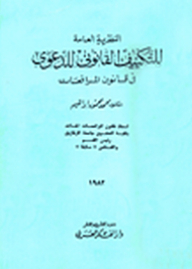
Other books for "Mustafa AlGammal"

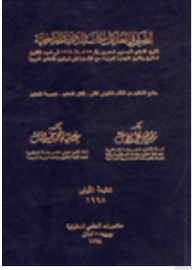


If there is a problem with the book, please report through one of the following links:
Report the book or by Contact us
E-books are complementary and supportive of paper books and never cancel it. With the click of a button, the e-book reaches anyone, anywhere in the world.
E-books may weaken your eyesight due to the glare of the screen. Support the book publisher by purchasing his original paper book. If you can access it and get it, do not hesitate to buy it.
Publish your book now for free