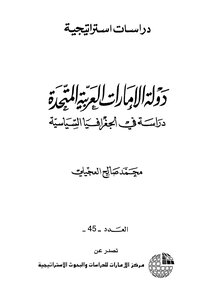
The United Arab Emirates: Nationalism And Arab-Islamic Identity

Account upgrade
The download is free, but we offer some paid services. Support us by subscribing
Delete ads and speed up browsing the library.
The download starts with the click of a button without waiting for the book to be ready.
No limits for download times.
You can upload unlimited books in the library.
Enable readers to download your books without waiting.
Delete ads on the books that you publish.
No problems with download links for your uploaded books.
Book The United Arab Emirates Nationalism And Arab Islamic Identity
Copyright reserved
The book cannot be previewed or downloaded in order to preserve the copyright of the author and publishing house
Not available digitally or on paper through the Noor Library, it is for rating and review

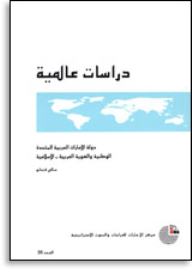

The United Arab Emirates: Nationalism And Arab-Islamic Identity
| Author: | سالي فندلو |
| Category: | Containment Policy [Edit] |
| Language: | Arabic |
| Publisher: | مركز الإمارات للدراسات والبحوث الإستراتيجية |
| ISBN: | 9948 |
| Release Date: | 01 Jan 2000 |
| Pages: | 110 |
| Rank: | 406,298 No 1 most popular |
| Short link: | Copy |
| More books like this book | |
Book Description
تتفاوت المبادئ التي تتصل بالهوية بدرجة كبيرة في دول العالم العربي تحديداً وفي العالم الإسلامي بصورة عامة. وعلى الرغم من أن هذا التنوع معترف به على نطاق واسع، فإن الكثير من النقاش الذي دار مؤخرا حول الهوية الإسلامية المعاصرة قد تركز على مفاهيم محددة. غير أن الطريقة التي برزت بها الهوية الوطنية لدولة الإمارات العربية المتحدة توضح العوائق التي تضعها مثل هذه التعريفات المحدودة. فالمفاهيم السائدة في دولة الإمارات العربية المتحدة عن الذات والهوية الوطنية غير جامدة بالصورة التي ترسم خطوطها وسائل الإعلام الغربية. فمنذ قيام الاتحاد في عام 1971، أخذت دولة الإمارات العربية المتحدة تتطور بصبغة عربية إسلامية تنشد التقدم وتميزها خصائص فريدة تتحدى النظريات الجامدة النمطية. وبينما التزمت دولة الإمارات العربية المتحدة بالسعي لتحقيق الوحدة الإسلامية والوحدة العربية بصورة ملموسة، فقد نجحت في الوقت ذاته في خلق فهم ووعي وطنيين ينسجمان بجلاء مع هذه الالتزامات. لقد طورت دولة الإمارات العربية المتحدة حلولها الخاصة لتحديات العولمة والتوطين. كما تحافظ هذه الدولة الوطنية الحديثة على عناصر قوية من سلوكيات المحافظة التقليدية بينما تحتضن التطور التقني في الوقت ذاته. فهي تستجيب للمعرفة الآتية من الخارج في الوقت الذي تحاول فيه الحفاظ على أصالة ثقافتها المحلية. ومع وجود بنية اجتماعية تحتية تعتمد على الثروات الطبيعية إلى حد كبير، يمتد استثمار الدولة على نحو نشط ليشمل مجالات التنمية الصناعية ومشروعات المؤسسات والشركات المساهمة. وتبحث هذه الدراسة المدى الذي تتوافق فيه الملاحظات العامة عن الهويات الدينية والقومية المعاصرة مع الهوية الجماعية لدولة الإمارات العربية المتحدة. ولتحقيق هذه الغاية، فقد تم إجراء مسح عام للتعرف بطريقة تجريبية على تأثير المكونات العديدة للهوية (الدين الواحد، ووحدة اللغة، والإقليمية، والعروبة، إلخ). وتخلص الدراسة إلى أن الهوية الجماعية لدولة الإمارات العربية المتحدة هي في الواقع قوة تماسك إيجابية ولا تعتمد بشكل عام على نموذج التضاد الذي تتصف به الحركات الثقافية والوطنية الحديثة.

Copyright reserved
The book cannot be previewed or downloaded in order to preserve the copyright of the author and publishing house
Not available digitally or on paper through the Noor Library, it is for rating and review
Share the book :
Book Review "The United Arab Emirates: Nationalism And Arab-Islamic Identity"

Book Quotes "The United Arab Emirates: Nationalism And Arab-Islamic Identity"

Other books like "The United Arab Emirates: Nationalism And Arab-Islamic Identity"


Other books for "سالي فندلو"
If there is a problem with the book, please report through one of the following links:
Report the book or by Contact us
E-books are complementary and supportive of paper books and never cancel it. With the click of a button, the e-book reaches anyone, anywhere in the world.
E-books may weaken your eyesight due to the glare of the screen. Support the book publisher by purchasing his original paper book. If you can access it and get it, do not hesitate to buy it.
Publish your book now for free