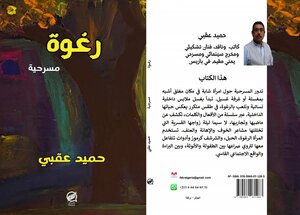
كتب رواية إيريس للكاتب السيناريست والمخرج اليمني حميد عقبي المقيم بفرنسا
اذا لم تجد ما تبحث عنه يمكنك استخدام كلمات أكثر دقة.

رواية إيريس : للكاتب، السيناريست والمخرج اليمني/ حميد عقبي ـ المقيم بفرنسا (كتاب)
رواية إيريس : للكاتب، السيناريست والمخرج اليمني/ حميد عقبي ـ المقيم بفرنسا
صادرة عن دار الدراويش للنشر والترجمة في بلغاريا ـ 2024
تحليل ثيمات رواية "إيريس" لحميد عقبي
(الجسد، الدين، الرغبة، المنفى — والأسلوب السينمائي الإيروتيكي)
ملخص
في رواية "إيريس"، يقدم حميد عقبي حكاية مكثفة تجمع بين الواقعي والأسطوري، تتبع رحلة فتاة مكسيكية تُدعى "إيريس"، يُراد تقديمها قربانًا لإله الأزتيك "تلالوك". تهرب إلى مدينة كون في النورماندي الفرنسية، وهناك تبدأ حياة جديدة تحت ظلّ منفى داخلي وجسدي وديني، تتشارك فيه السكن والعلاقة المركّبة مع فنان يمني. الرواية تحفر في أسئلة الجسد، القداسة، الإيروس، والهوية، بأسلوب سينمائي حسي وشاعري.
1. الجسد: من القربان إلى الرغبة المؤجلة
الجسد في الرواية آلية سردية قائمة بذاتها. "إيريس" تُقدَّم كجسد أسطوري منذ السطور الأولى: تُشَبَّه بـ"أفروديت"، "بنت تلالوك"، ويُحاط جسدها بجمال طقوسي مقدّس/مدنّس. هذا الجسد يُهدَّد بالذبح، ثم يُؤطَّر في فضاء المنفى بلغة سينمائية: الفساتين الشفافة، الملامسات العابرة، القبلة على كف اليد، الحمّام المشترك، طقوس الاستحمام، الرقص تحت المطر.
لكن هذا الجسد لا يُمنَح بالكامل. الرغبة تُمارَس بلغة التوتر الصامت، فإيريس ترتدي ثلاثة سراويل داخلية، تخشى غضب "تلالوك"، وتضبط العلاقة بين الاقتراب والابتعاد. الجسد هنا مجال مقاومة لا خضوع.
2. الدين والطقس: تهجين المقدّس وتفكيك الأسطورة
تُشكّل الطقوس الدينية مركزًا سرديًا حاسمًا. "تلالوك"، إله المطر الأزتيكي، يمثل القسوة الدينية المتوارثة، حيث يُطلَب من والد إيريس تقديمها قربانًا لإنهاء العاصفة. الطقس يستدعي رموزًا عميقة: المذبح، الزهور، النيران المقدسة، الحزام الحريري، الذبح الطقوسي للقلب.
لكن بعد هروبها، تسعى إيريس والراوي إلى تفكيك تلك السلطة الدينية بإعادة تركيب طقس بديل، خليط من الأديان والرموز: ماء زمزم، صليب، تمثال بوذا، آية الكرسي، كف فاطمة، شعائر هندوسية وزرادشتية... يتحوّل منزلهما في مدينة كون إلى متحف روحي متعدد الرموز، بحثًا عن خلاص شخصي ومناعة ضد "تلالوك". هنا يقترح السرد قداسة هجينة بديلة عن القسوة القديمة.
3. الرغبة: الإيروس المتحوّل تحت ظلال اللعنة
الرغبة في "إيريس" لا تنفجر، بل تُدار كشرارة دائمة. هناك مثلثات رغبة: بين إيريس وفرناندا، بين الراوي وحبيبته السابقة "حورية"، ثم بين الراوي وإيريس. الرغبة ليست جسدية فقط، بل شعورية، رمزية، دينية، مشهدية.
في هذا السياق، يتجلّى الأسلوب السينمائي الإيروتيكي: كاميرا ذهنية تتجوّل في التفاصيل البصرية (الفخذ، الظهر، الرقص، الدخان المتصاعد)، دون حاجة للقول المباشر. الحمام المشترك، الأغطية، تبديل الملابس، هي كلها مشاهد مركبة بإضاءة خافتة، وصمت لاهث.
الرغبة لا تكتمل، لكنها تُحوِّل العلاقة إلى حب مُصفّى من الاستهلاك الجنسي. تنشأ علاقة ما بعد الإيروس، تتجاوز الجسد نحو "الشراكة الروحية اليومية".
4. المنفى: استبدال الوطن بجغرافيا الحنين
رغم انتقال البطلة إلى فرنسا، وتحديدًا إلى مدينة كون الهادئة والرمادية، فإنها لا تتحرر من ماضيها. القرية المكسيكية، الطقوس، الأسطورة، فرناندا... كلها تطاردها. يصبح المنفى ليس مكانًا، بل إعادة بناء الذات داخل الآخر.
الراوي نفسه يعيش منفى مزدوجًا: فنيًا، عاطفيًا، وهوياتيًا. اليمن حاضر عبر الطبخ، الذكريات، الأدعية، والمجاز الشعري. بالتقاطع مع المكسيك، يُخلق فضاء سردي ثالث: شقة في كون، محاطة بالكتب والمرايا، تقطنه كائنات هاربة من الأساطير، تحاول النجاة بالحب واللغة والطعام.
الخاتمة
إيريس : استعارة للنجاة المؤجلة
"إيريس" تبدو كأنها بطلة هاربة، لكن لو تأملنا بعمق سنجد أنها استعارة سردية نشطة: هي الخلاص المؤجل، العذوبة المعذّبة، الإرادة المقموعة التي لا تتخلى عن الأمل. السرد، كما الحب، لا يكتمل، لكنه يخلق أفقًا: أن تتحول الخرافة إلى قصة، وأن يكتب الفن ضدّ الدم.
---------------------------------------------------------
Iris by Hamid Oqabi
(Body, Religion, Desire, Exile — and the Erotic Cinematic Style)
Summary
In Iris, Hamid Oqabi crafts a tightly woven narrative that blends myth with reality, tracing the journey of a Mexican girl named Iris who is destined to be sacrificed to the Aztec god Tlaloc. She escapes to the city of Caen in Normandy, France, where she begins a new life marked by internal, bodily, and spiritual exile, sharing a space and a complex relationship with a Yemeni artist. The novel probes into questions of the body, sanctity, eros, and identity, through a sensual, poetic, and cinematic style.
1. The Body: From Sacrifice to Deferred Desire
The body functions as an autonomous narrative device. From the start, Iris is depicted mythically—compared to Aphrodite and called “Tlaloc’s daughter.” Her body is shrouded in ritualistic, sacred/profane beauty, threatened with sacrifice. Later, it is re-staged in exile using cinematic language: transparent dresses, fleeting touches, hand kisses, shared baths, rain dancing.
Yet the body is never fully surrendered. Desire is managed through silent tension—Iris wears three layers of underwear, fears Tlaloc’s wrath, and maintains distance. Her body becomes a site of resistance, not submission.
2. Religion and Ritual: Hybridizing the Sacred, Dismantling Myth
Ritual plays a central role in the narrative. Tlaloc, the Aztec rain god, embodies inherited religious cruelty. Iris’s father is expected to offer her as a sacrifice to end a storm. The ritual invokes potent symbols: altar, flowers, sacred fire, silk garments, and heart sacrifice.
After her escape, Iris and the narrator attempt to dismantle this authority by assembling a hybrid spiritual system: Zamzam water, a cross, Buddha, Qur’anic verses, the Hand of Fatima, Hindu and Zoroastrian elements. Their home in Caen becomes a spiritual museum, a sanctuary against Tlaloc. The narrative offers a new sacredness to counter ancient violence.
3. Desire: Eros Under the Shadow of the Curse
Desire in Iris simmers but never explodes. Triangular tensions arise: between Iris and Fernanda, the narrator and his former lover Houria, and between the narrator and Iris. Desire is not only bodily but emotional, symbolic, religious, and scenic.
Here, the erotic cinematic style flourishes: a mental camera lingers on visual details (thigh, back, dance, smoke), without direct statement. Shared bathing, undressing, beds, and dim lighting build erotic tension without consummation.
Desire remains unfulfilled, transforming into a purified intimacy beyond sexual consumption. A "post-eros" relationship emerges, centered on daily spiritual partnership.
4. Exile: Replacing Homeland with the Geography of Longing
Though Iris escapes to France—specifically Caen, a quiet, gray city—she cannot escape her past. Her Mexican village, rituals, myth, and Fernanda haunt her. Exile becomes not a place, but an inner reconstruction.
The narrator, too, lives a double exile—artistic, emotional, and cultural. Yemen lives on through food, memories, prayers, and metaphor. Intertwined with Mexico, a third narrative space arises: a flat in Caen filled with books and relics, inhabited by beings fleeing myth, seeking survival through love, language, and cooking.
Conclusion: Iris as a Metaphor for Deferred Salvation
Iris may appear a fleeing protagonist, but she is more: an active metaphor—the deferred salvation, the tormented sweetness, the silenced will that refuses to abandon hope. The narrative, like love, remains incomplete, but opens a horizon: to turn myth into story, and art into resistance against blood.
---------------------------------------
Titre : Iris, roman de l’écrivain, scénariste et réalisateur yéménite Hamid Oqabi, résident en France
Publié chez : Dar Al-Darawesh, édition et traduction – Bulgarie, 2024
Analyse thématique du roman Iris de Hamid Oqabi
(Le corps, la religion, le désir, l’exil — et le style cinématographique érotique)
Résumé
Dans Iris, Hamid Oqabi construit un récit dense et poétique mêlant mythe et réalité. Il suit le parcours d’une jeune Mexicaine, Iris, promise comme offrande au dieu aztèque Tlaloc. Elle fuit vers Caen, en Normandie, et commence une nouvelle vie marquée par un exil corporel, spirituel et intérieur. Elle y partage un logement et une relation complexe avec un artiste yéménite. Le roman explore les thèmes du corps, du sacré, de l’éros et de l’identité dans un style cinématographique sensoriel et lyrique.
1. Le corps : du sacrifice au désir différé
Le corps devient un vecteur narratif autonome. Iris est décrite dès le début comme une figure mythique — “fille de Tlaloc”, comparée à Aphrodite. Son corps sacré/profane est menacé de rituel sanglant. Plus tard, en exil, il est mis en scène par une écriture cinématographique : voiles transparents, caresses fugitives, bains partagés, danses sous la pluie.
Mais ce corps ne se livre jamais totalement. Le désir s’exprime par tension contenue — Iris porte trois couches de sous-vêtements, craint Tlaloc, régule la proximité. Le corps devient espace de résistance.
2. Religion et rituel : hybrider le sacré, déconstruire le mythe
Le rituel occupe une place centrale. Tlaloc incarne la cruauté religieuse héritée. Le père d’Iris doit l’offrir pour calmer la tempête. L’auteur évoque autels, fleurs, feu sacré, soie, cœur arraché.
Après la fuite, Iris et le narrateur inventent un système spirituel hybride : eau de Zamzam, croix, Bouddha, versets coraniques, main de Fatima, rituels hindous et zoroastriens. Leur appartement à Caen devient un musée spirituel, rempart contre Tlaloc. Une nouvelle sacralité poétique est suggérée.
3. Le désir : un éros hanté sous malédiction
Le désir ne jaillit jamais. Il circule : entre Iris et Fernanda, entre le narrateur et son ex Houria, entre le narrateur et Iris. Il est corporel, affectif, symbolique, mystique.
Le style cinématographique érotique domine : caméra mentale sur cuisses, dos, fumée, danse — sans discours explicite. Les scènes sont sensuelles, feutrées, intimes, sans culmination sexuelle.
Le désir devient relation épurée, au-delà du sexe : une intimité quotidienne, une communion d’exilés.
4. L’exil : substituer la patrie à une géographie du manque
Même réfugiée à Caen, Iris ne se libère pas du passé : village, mythe, Fernanda… L’exil est reconstruction intérieure, pas seulement délocalisation.
Le narrateur vit aussi un double exil : artistique, affectif, culturel. Le Yémen est là, dans la cuisine, la prière, les métaphores. Avec le Mexique, se crée un troisième espace narratif : l’appartement refuge peuplé de survivants de la légende.
Conclusion : Iris comme métaphore du salut différé
Iris n’est pas juste une fugitive : elle est métaphore active — espoir suspendu, douceur blessée, volonté réprimée mais tenace. Le récit, comme l’amour, reste inachevé, mais trace un horizon : transformer le mythe en récit, et l’art en résistance au sacrifice.