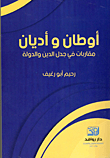
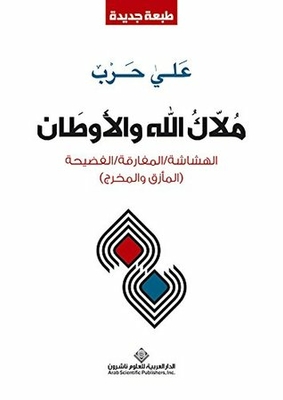
books lost homelands the deception of selling at the price of consumption
If you do not find what you're looking for, you can use more accurate words.

Lost Homelands The Deception of Selling at the Price of Consumption (Book)
In today's fast-paced and ever-changing world, where societies are rapidly moving towards globalization and economic and cultural ties between nations are growing stronger, the issue of national identity emerges as one of the most significant challenges facing nations. Homelands, once considered bastions of identity and values, are increasingly at risk of erosion under the weight of both external and internal pressures. In this context, we find ourselves confronted with a complex phenomenon: the selling of homelands at the price of consumption, where the land that once nurtured heritage and culture becomes a commodity to be bought and sold in global markets.
This phenomenon is not merely an economic or social issue, but a moral and cultural dilemma that threatens to undermine the very foundations upon which nations are built. The homeland, once regarded as a source of identity and belonging, is now reduced to its material value, leading to a loss of the spiritual and emotional connection between individuals and their land. In this paper, we will explore this phenomenon from various angles, examining the factors that have led to its emergence, its impact on societies, and the possible ways to address it.
For a long time, homelands have been the fundamental bond that unites individuals and shapes their collective identity. A homeland is not just a piece of land; it is a deep-seated concept tied to belonging and a sense of identity. The homeland encompasses childhood memories, culture, language, and traditions that make an individual part of a broader community that spans time. National identity, which springs from this close connection to the land, serves as a source of pride and inspiration, shaping the values and principles that govern individuals' behavior within society.