Cursed Texts In The Qur’an And Their Impact On Legal Rulings

Account upgrade
The download is free, but we offer some paid services. Support us by subscribing
Delete ads and speed up browsing the library.
The download starts with the click of a button without waiting for the book to be ready.
No limits for download times.
You can upload unlimited books in the library.
Enable readers to download your books without waiting.
Delete ads on the books that you publish.
No problems with download links for your uploaded books.
Book Cursed Texts In The Qur An And Their Impact On Legal Rulings
Copyright reserved
The book cannot be previewed or downloaded in order to preserve the copyright of the author and publishing house
Not available digitally or on paper through the Noor Library, it is for rating and review



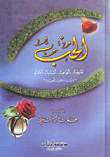
Cursed Texts In The Qur’an And Their Impact On Legal Rulings
| Author: | Omar Shaker AlKubaisi |
| Category: | Hadiths Of Judgments [Edit] |
| Language: | Arabic |
| Publisher: | مؤسسة الريان للطباعة والنشر والتوزيع |
| Release Date: | 01 May 2003 |
| Pages: | 543 |
| Rank: | 582,058 No 1 most popular |
| Short link: | Copy |
| More books like this book | |
Book Description
استهان الكثيرون بلفظ اللعن حتى أنهم لا يتوانون عن لعن هذا أو ذاك من الناس يدفعهم إلى ذلك جهلهم بما يترتب على ذلك من آثار وأحكام شرعية. وقد جاء هذا البحث لينبه أولئك الذين استساغو اللعن ونسوا حظاً مما ذكروا به.
وهذا الكتاب الذي قدمه صاحبه أصلاً لنيل درجة الماجستير، يتألف من بابين. الباب الأول يتعلق باللعن وأقسامه وخصائصه وآثاره حيث يعرض في الفصل الأول اللعن وما يتعلق به من لغة وشرعاً ثم ينتقل إلى بيان مفاهيم بعض الألفاظ المتعلقة بالمعنى قبل أن يفرد الفصل الثاني لأقسام اللعن ومصادره بينما يتحدث في الفصل الثالث عن خصائص اللاعنين وخصائص اللعن الصادر عن الله تعالى واللعن الصادر الملائكة واللعن الصادر عن النبي صلى الله عليه وسلم، وأخيراً خصائص اللعن الصادر عن الناس. وفي الفصل الرابع بحث في الجهات الملعونة والضوابط الشرعية لجواز اللعن وما يتعلق بالتوبة.
أما الباب الثاني فخصصه لبيان أصناف الملعونين وبيان أسباب لعنهم حيث خصص الفصل الأول للحديث عن المعلونين بسبب مخالفة الدين وهم الظالمون والمفترون، والمؤذون والمنافقون، ثم يتحدث في الفصل الثاني عن الملعونين بسبب الاعتداء على النفس والمال والعرض والنسب، أما في الفصل الثالث فهو مخصص للملعونين بسبب الدعوة إلى الضلال وغير ذلك، في حين يتحدث في الفصل الرابع عن الأقوام التي لعنها الله تعالى.
وقد خلص المؤلف إلى أن اللعن عقوبة شرعية منوطة بالله تعالى لا يجوز استعمالها وهي عند صدورها من العباد لا تعدو أكثر من دعاء مغلظ قد يوافق استجابة من الله وقد لا يوافق. وأشار إلى أن اللعن ليس لفظاً يطلق كيفما اتفق بل هو من الألفاظ التي أعطاها الشارع معنى شرعياً. وقد أكد على عدم جواز لعن العصاة من المسلمين على التعيين وكذلك الكافر لاحتمال توبتهم ورجوعهم عن الذنوب التي يلعن أصحابها بسببها كالفسق والكفر.

Copyright reserved
The book cannot be previewed or downloaded in order to preserve the copyright of the author and publishing house
Not available digitally or on paper through the Noor Library, it is for rating and review
Share the book :
Book Review "Cursed Texts In The Qur’an And Their Impact On Legal Rulings"

Book Quotes "Cursed Texts In The Qur’an And Their Impact On Legal Rulings"

Other books like "Cursed Texts In The Qur’an And Their Impact On Legal Rulings"




Other books for "Omar Shaker AlKubaisi"

If there is a problem with the book, please report through one of the following links:
Report the book or by Contact us
E-books are complementary and supportive of paper books and never cancel it. With the click of a button, the e-book reaches anyone, anywhere in the world.
E-books may weaken your eyesight due to the glare of the screen. Support the book publisher by purchasing his original paper book. If you can access it and get it, do not hesitate to buy it.
Publish your book now for free