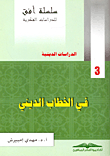
The Sense Of Hearing In Religious Discourse

Account upgrade
The download is free, but we offer some paid services. Support us by subscribing
Delete ads and speed up browsing the library.
The download starts with the click of a button without waiting for the book to be ready.
No limits for download times.
You can upload unlimited books in the library.
Enable readers to download your books without waiting.
Delete ads on the books that you publish.
No problems with download links for your uploaded books.
Book The Sense Of Hearing In Religious Discourse
Copyright reserved
The book cannot be previewed or downloaded in order to preserve the copyright of the author and publishing house
Not available digitally or on paper through the Noor Library, it is for rating and review



The Sense Of Hearing In Religious Discourse
| Author: | جمال أبو الرب |
| Category: | Religious Education [Edit] |
| Language: | Arabic |
| Publisher: | منشورات الجمل |
| Release Date: | 08 Oct 2013 |
| Pages: | 232 |
| Rank: | 540,983 No 1 most popular |
| Short link: | Copy |
| More books like this book | |
Book Description
في دراسته للخطاب الديني الإسلامي ينصرف جمال أبو الرَب إلى بنية هذا الخطاب في نصَه ابتداء بهدف التعرف على هذه البنية، والكيفية التي تنتج فيها المعرفة، ثم التتبع عليها في المقولة التي تدعي أنها العارفة والمحتكرة لفهم النص ومقاصده.
وانطلاقاً من تلك الرؤيا يبحث هذا الكتاب في تشغيل حاسة السمع في الخطاب الديني، وأثر هذه الحاسة على انتاج المعرفة محاولاً الكشف عن منطق الخلل في عدم تمكن العربي من إنتاج معرفة تؤهله لدخوا باب التحديث الفكري، وما يترتب عليه من تداعيات.
قسَم الكتاب إلى ثلاثة فصول: تناول الفصل الأول منطق تشغيل حاسة السمع في سورة البقرة، فبحث منطق الذوات الأولانية (الملائكة وآدم وإبليس)، ثم منطق المؤمنين والكافرين في علاقة كل من هذه الذوات بمفهومي السمع والسؤال. وتناول الفصل الثاني أثر السمع في طقوس الإقتراب من النص سواء بالتهيؤ أو بالقراءة والإستماع، وعلاقة هذه الطقوس بالإقتراب أو الإغتراب عن النص أو عن النفس، وبالتالي مسؤوليتها في إنتاج المعرفة أو تجاوزها لصالح الطقوس لا سيما الطقس الموسيقي. بينما تناول الفصل الثالث أثر تشغيل السمع في مفهوم "الأسلحة"، فبحث بداية تغير مفهوم الولاء –بناء على قوة المؤثرات السمعية- من "الجاهلية" إلى الإسلام، وذلك بالإستناد إلى تغير في دلالة ضمير المتكلمين الـ "ناء" فـ "ناء" الجاهلي "القبيلة" و"ناء" النص القرآني والسلوك الإيماني "العقيدة". ثم بحث بعد ذلك غواية السمع في فكرة التأصيل لمفهوم "الأسلحة" من منطلقين: الأول في التجربة التاريخية التي أعقبت موت الرسول، والثاني في التجربة النصية القرآنية، وختم الكتاب مباحثه في دراسة الجامع كتقنية سمعية.
وعلى هذا، يمكن القول أن كتاب "حاسَة السمع في الخطاب الديني" أراد الوقوف على أسباب تغييب البعد النقدي عند العربي المسلم، ولماذا استغنى في تدينه الفطري بالإستماع عن التفكير، في مفارقة المقولات من أجل فقه واقعه، وكيف يحدث عملية تجاوز بالنقد تؤهله من دخول دائرة التحديث الفكري الذي يقود إلى فهم أوسع للنص القرآني.

Copyright reserved
The book cannot be previewed or downloaded in order to preserve the copyright of the author and publishing house
Not available digitally or on paper through the Noor Library, it is for rating and review
Share the book :
Book Review "The Sense Of Hearing In Religious Discourse"

Book Quotes "The Sense Of Hearing In Religious Discourse"

Other books like "The Sense Of Hearing In Religious Discourse"













If there is a problem with the book, please report through one of the following links:
Report the book or by Contact us
E-books are complementary and supportive of paper books and never cancel it. With the click of a button, the e-book reaches anyone, anywhere in the world.
E-books may weaken your eyesight due to the glare of the screen. Support the book publisher by purchasing his original paper book. If you can access it and get it, do not hesitate to buy it.
Publish your book now for free