Destiny In Sufi Thought (Master's Thesis)

Account upgrade
The download is free, but we offer some paid services. Support us by subscribing
Delete ads and speed up browsing the library.
The download starts with the click of a button without waiting for the book to be ready.
No limits for download times.
You can upload unlimited books in the library.
Enable readers to download your books without waiting.
Delete ads on the books that you publish.
No problems with download links for your uploaded books.
Book Destiny In Sufi Thought Master S Thesis
Copyright reserved
The book cannot be previewed or downloaded in order to preserve the copyright of the author and publishing house
Not available digitally or on paper through the Noor Library, it is for rating and review

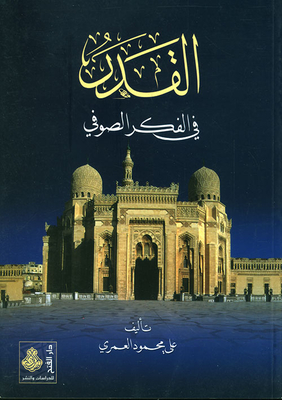

Destiny In Sufi Thought (Master's Thesis)
| Author: | Ali Mahmoud AlOmari |
| Category: | Reply To Sufism [Edit] |
| Language: | Arabic |
| Publisher: | دار الفتح للدراسات والنشر |
| ISBN: | 9789957231064 |
| Release Date: | 01 Jan 2009 |
| Pages: | 136 |
| Rank: | 294,275 No 1 most popular |
| Short link: | Copy |
| More books like this book | |
Book Description
شكلت مسألة القدر وعلاقته بالفعل الإنساني نقطة بحث استعرضتها جميع الأمم والشعوب، وقامت عليها مدارس فلسفية عديدة. فمنذ فجر التاريخ وجد من الأمم من اعتقد أفرادها بأنهم مسيرون أمام قوى الطبيعة، تفعل بهم ما تشاء. واستمرت فكرة الجبر هذه عبر التاريخ، وإن كانت قد اتخذت مع مرور الزمن شكلاً أكثر عقلانية من الاعتقاد الساذج السابق. وبالمقابل، ظهرت فكرة الحرية الإنسانية، أو الاختيار، كردة فعل طبيعية لمواجهة الاعتقاد السابق الذي يجعل الإنسان كالريشة في مهب الريح يحركه القدر كيفما شاء.
وقد شغلت هذه المسألة حيزاً من الفكر الإسلامي، بل وأصبحت بعض الفِرَق تُعرَّف بالنظر إلى رأيها في مسألة القدر وعلاقته بالفعل الإنساني، فهذه جبرية ، وتلك قدرية، وأخرى جبرية متوسطة. وكغيرها من المدارس الفكرية؛ فقد بحثت مدرسة التصوف مسألة القدر وعلاقته بالفعل الإنساني، وتطور بحث الصوفية للقدر مع مرور الوقت، وأصبح لهم مؤلفات خاصة تشرح تلك العلاقة بين القدر والفعل الإنساني. أما الصوفية الأوائل الملتزمون بعقائد أهل السنة فلم يبحثوا هذه القضية بحثاً فلسفياً، ولم يخوضوا في وضع المصطلحات والتعريفات للقدر، وإنما انصب اهتمامهم على بيان الأثر العملي المترتب على الاعتقاد بأن الله تعالى هو خالق أفعاله كلها، وتربية الإنسان على العبودية، والوصول به إلى مقامي التوكل على الله تعالى، والرضا بقضائه.
أما حجة الإسلام الغزالي الذي جاء بعد تطور الفكر الكلامي والفلسفي فقد استقصى بحث القدر من سائر جوانبه، فبحثه عقدياً وفلسفياً ومن منظور علم الأخلاق. أما الاتجاه الآخر من التصوف، وهو التصوف الفلسفي، فقد اعتمد في بحثه للقدر على فلسفة وحدة الوجود، وصولاً إلى أنّ الإنسان ليس له إرادة حرة مستقلة، وإنما هي جزء من إرادة الله عز وجل. وهذا البحث ما هو إلا محاولة للوصول إلى فهم سليم لمسألة الحرية الإنسانية من خلال دراسة هذه القضية عند مدرسة التصوف.

Copyright reserved
The book cannot be previewed or downloaded in order to preserve the copyright of the author and publishing house
Not available digitally or on paper through the Noor Library, it is for rating and review
Share the book :
Book Review "Destiny In Sufi Thought (Master's Thesis)"

Book Quotes "Destiny In Sufi Thought (Master's Thesis)"

Other books like "Destiny In Sufi Thought (Master's Thesis)"




Other books for "Ali Mahmoud AlOmari"



If there is a problem with the book, please report through one of the following links:
Report the book or by Contact us
E-books are complementary and supportive of paper books and never cancel it. With the click of a button, the e-book reaches anyone, anywhere in the world.
E-books may weaken your eyesight due to the glare of the screen. Support the book publisher by purchasing his original paper book. If you can access it and get it, do not hesitate to buy it.
Publish your book now for free