Introduction To Islamic Sciences

Account upgrade
The download is free, but we offer some paid services. Support us by subscribing
Delete ads and speed up browsing the library.
The download starts with the click of a button without waiting for the book to be ready.
No limits for download times.
You can upload unlimited books in the library.
Enable readers to download your books without waiting.
Delete ads on the books that you publish.
No problems with download links for your uploaded books.
Book Introduction To Islamic Sciences
Copyright reserved
The book cannot be previewed or downloaded in order to preserve the copyright of the author and publishing house
Not available digitally or on paper through the Noor Library, it is for rating and review

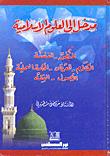

Introduction To Islamic Sciences
| Author: | Mortada AlMutahari |
| Category: | Islamic Landmarks [Edit] |
| Language: | Arabic |
| Publisher: | دار نور المصطفى للطباعة والنشر والتوزيع |
| Release Date: | 01 Jan 2007 |
| Pages: | 116 |
| Rank: | 324,831 No 1 most popular |
| Short link: | Copy |
| More books like this book | |
Book Description
هذا الكتاب هو الأول من مجموعة تقريرات ألقاها الشيخ المظهري على طلاب السنتين الأولى والثانية في كلية (الإلهيات والمعارف الإسلامية) في جامعة طهران، وقد درس بعضها عدة مرات في حياته كمدخل للعلوم الإسلامية، وذلك في جامعة (شريف الصناعية).
ويمكن تقسيم كتابه هذا (المدخل إلى الفلسفة الإسلامية) عموماً إلى ثلاثة أقسام: القسم الأول: ويحتوي على الدرسين الأول والثاني -عمد فيه الأستاذ إلى ذكر توضيحات عامة حول الفلسفة والفلسفة الإسلامية، فبحث في معنى الفلسفة في الثقافة الإسلامية والغربية، والاختلاف بين العلم والفلسفة، وأشار إلى الشبهات المثارة حول معنى الميتافيزيقا، وانفصال العلوم عن الفلسفة.
القسم الثاني: ويحتوي على الدروس من الثالث إلى السادس وهو عبارة عن مسيرة تحليلية في تاريخ الفلسفة والتفكير في الثقافة الإسلامية بشكل عام. وقد شرح الأستاذ في بدياة هذا القسم المدارس الفلسفية الأربعة: المشائية والإشراقية والكلامية والعرفانية، وبين الفروق بينهما، ثم رسم الحركة الطبيعية لهذه الرؤى الأربعة وتقاربها وتبلورها في الحكمة المتعالية، ثم دخل في تفاصيل معنى الحكمة المتعالية لصدر المتألهين وأهميتها. وتحدث عن كتابه القيم: (الأسفار الأربعة).
القسم الثالث: ويبدأ من الدرس السادس، فيشرع الأستاذ في تبويب مسائل الفلسفة متخذاً أسلوباً يستمر إلى نهاية الكتاب، ويكتفي -طبقاً لهذا الأسلوب- بتوضيح المفاهيم والمصطلحات المهمة في الفلسفة الإسلامية دون أن يدخل في المباحث الفلسفية الاستدلالية الدقيقة، كما بحث في هذا القسم مفاهيم من قبيل: (الوجود والماهية)، (العيني والذهني)، (الحدوث والقدم)، (الثابت والمتغير)، (العلة والمعلول)، (الوجوب والامتناع والإمكان).
وفي كل قسم من هذه الأقسام قام الأستاذ بذكر إشارات تاريخية، واكتفى ببيان كيفية تعامل الفلاسفة المسلمين مع المفاهيم المبحوثة دون إقامة البراهين عليها.

Copyright reserved
The book cannot be previewed or downloaded in order to preserve the copyright of the author and publishing house
Not available digitally or on paper through the Noor Library, it is for rating and review
Share the book :
Book Review "Introduction To Islamic Sciences"

Book Quotes "Introduction To Islamic Sciences"

Other books like "Introduction To Islamic Sciences"






Other books for "Mortada AlMutahari"



If there is a problem with the book, please report through one of the following links:
Report the book or by Contact us
E-books are complementary and supportive of paper books and never cancel it. With the click of a button, the e-book reaches anyone, anywhere in the world.
E-books may weaken your eyesight due to the glare of the screen. Support the book publisher by purchasing his original paper book. If you can access it and get it, do not hesitate to buy it.
Publish your book now for free