The Political And Constitutional System In Iraq; Consensual Federalism And Pluralism

Account upgrade
The download is free, but we offer some paid services. Support us by subscribing
Delete ads and speed up browsing the library.
The download starts with the click of a button without waiting for the book to be ready.
No limits for download times.
You can upload unlimited books in the library.
Enable readers to download your books without waiting.
Delete ads on the books that you publish.
No problems with download links for your uploaded books.
Book The Political And Constitutional System In Iraq Consensual Federalism And Pluralism
Copyright reserved
The book cannot be previewed or downloaded in order to preserve the copyright of the author and publishing house
Not available digitally or on paper through the Noor Library, it is for rating and review

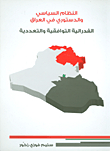

The Political And Constitutional System In Iraq; Consensual Federalism And Pluralism
| Author: | سليم فوزي زخور |
| Category: | The Constitutional Law [Edit] |
| Language: | Arabic |
| Publisher: | دار المدى للطباعة والنشر والتوزيع |
| Release Date: | 01 Jan 2014 |
| Pages: | 540 |
| Rank: | 395,059 No 1 most popular |
| Short link: | Copy |
| More books like this book | |
Book Description
حصل العراقيون على فرصة لبناء نظام سياسي ودستوري جديد في العالم 2003، عقب إسقاط نظام الرئيس العراقي صدام حسين الذي حكم العراق لعقود من الزمن، وبعد عقود من الأنظمة القائمة على الدساتير المؤقتة والحكم التعسفي.
ويشهد العراق منذ عام 2003 مرحلة جديدة من تاريخه السياسي والدستوري، تحتم الوقوف عندها لوضع الدراسات العلمية في محاولة لفهمها، خصوصاَ أنها تؤسس لحقبة جديدة. دراستنا حول النظام السياسي والدستوري في العراق وتطوره من الملكية الدستورية التي نشأت عام 1921 وصولاً إلى الجمهورية الفدرالية التي تأسست منذ عام 2005 تأتي ضمن هذا الإطار.
وتجدر الإشارة إلى أننا نهدف إلى دراسة أسس النظام السياسي والدستوري في العراق وكيفية تطوره عبر مقاربة دستورية لقواعد النظام السياسي، من خلال تبيان العلاقة بين التجربة السياسية والقانون في العراق، وهي علامة مأزومة تاريخياً. ويمكن اعتبار صياغة النظام السياسي العراقي الجديد محاولة لفك التأزم في هذه العلاقة.
خلال السعي للإجابة على هذه الإشكاليات تم اعتماد ثلاثة أقسام:
القسم الأول حدد كيفية تطور النظام السياسي والدستوري في العراق بين 1921 و2003، حيث عالج الفصل الأول منه تحولات النظام الدستوري في هذه المرحلة، فيما ركّز الفصل الثاني على خصائص النظام السياسي.
القسم الثاني تناول ركائز النظام السياسي العراقي الجديد (أي بعد عام 2003) من خلال الفصلين، الأول بحث في المنطلقات القانونية للنظام، والثاني شدد على الخصائص السياسية.
القسم الثالث بيّن السلطات الاتحادية من خلال الدستور، عبر خمسة فصول، تناولت السلطة التنفيذية، والسلطة التشريعية، بالإضافة إلى العلاقة بين السلطتين. كذلك حدد الفصل الرابع الأسس العامة للسلطة القضائية، بينما قدم الفصل الخامس مقترحاً حول كيفية إنشاء مجلس الاتحاد في العراق، وهو الغرفة التشريعية الثانية التي أقرّ الدستور إنشاءها، دون اتخاذ أي خطوات عملية باتجاه ذلك.

Copyright reserved
The book cannot be previewed or downloaded in order to preserve the copyright of the author and publishing house
Not available digitally or on paper through the Noor Library, it is for rating and review
Share the book :

Book Quotes "The Political And Constitutional System In Iraq; Consensual Federalism And Pluralism"

Other books like "The Political And Constitutional System In Iraq; Consensual Federalism And Pluralism"
If there is a problem with the book, please report through one of the following links:
Report the book or by Contact us
E-books are complementary and supportive of paper books and never cancel it. With the click of a button, the e-book reaches anyone, anywhere in the world.
E-books may weaken your eyesight due to the glare of the screen. Support the book publisher by purchasing his original paper book. If you can access it and get it, do not hesitate to buy it.
Publish your book now for free