The Problematic Relationship Between Religious Politics And The Monarchy; The Political Thought And Performance Of Shiite Scholars In The Safavid Era As A Model

Account upgrade
The download is free, but we offer some paid services. Support us by subscribing
Delete ads and speed up browsing the library.
The download starts with the click of a button without waiting for the book to be ready.
No limits for download times.
You can upload unlimited books in the library.
Enable readers to download your books without waiting.
Delete ads on the books that you publish.
No problems with download links for your uploaded books.
Book The Problematic Relationship Between Religious Politics And The Monarchy The Political Thought And Performance Of S
Copyright reserved
The book cannot be previewed or downloaded in order to preserve the copyright of the author and publishing house
Not available digitally or on paper through the Noor Library, it is for rating and review



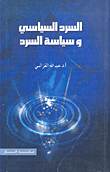
The Problematic Relationship Between Religious Politics And The Monarchy; The Political Thought And Performance Of Shiite Scholars In The Safavid Era As A Model
| Author: | نجف لك زائي |
| Category: | Property Laws [Edit] |
| Language: | Arabic |
| Publisher: | معهد المعارف الحكمية |
| ISBN: | 9786144400142 |
| Release Date: | 17 Jul 2014 |
| Pages: | 384 |
| Rank: | 655,937 No 1 most popular |
| Short link: | Copy |
| More books like this book | |
Book Description
كما هو الصعيد السياسي يعد ساحة مفتوحة لصراع القوى السياسية، فالمستوى الفكري أيضاً يمثل ميداناً رحباً لصراع التيارات الفكرية والدينية المختلفة على مرّ العصور، فكيف كان الفكر والأداء السياسي لعلماء الشيعة في العصر الصفوي؟ يجيب عن هذا السؤال الباحث الدكتور "نجف لك زائي" بأدوات علم الإجتماع السياسي وبمقاربة (سوسيو – تاريخية) تسلط الضوء على المرحلة الصفوية في إيران في العهد العثماني وبالإرتكاز على إشكاليتين مركزيتين يعتمدهما المؤلف هما: الإشكالية الأولى: تدرس الفترة الزمنية لعلاقة دولية بين نظامين من الحكم هما: النظام العثماني، والنظام الصفوي، وقد التبست طبيعة هذه العلاقة بخاصيّة مذهبية سنية وشيعية. ومن خلال معالجته هذه الإشكالية حاول المؤلف أن يدرس موضوعه ضمن جغرافية سياسية ترتبط بإيران، ليعتبر أن الدولة الصفوية الطموحة لقيادة المنطقة اعترض طموحها وجود دولة عثمانية تختف معها في التاريخ والإنتماء القومي، إلاّ أنها كانت تمثل مركزية الحكم السنّي للعالم الإسلامي. وبالتالي، فإن إدراج المذهب السني في الدولة الصفوية كان يعني اندراج هذه الدولة ضمن التبعية السياسية للدولة العثمانية. وهذا ما كانت ترفضه الدولة الصفوية التي وجدت في المذهب الشيعي فرصة تميّز لأخذ فرادة في الدور السياسي في المنطقة ... علماً أن علماء الشيعة وبرغم النفوذ الواسع في الدولة الصفوية حافظوا – حسب المؤلف – على إحساس الدولة الملكية الصفوية بتصديها المباشر لشؤون الحكم، ذلك أن الضغط على الدولة في هذا الجانب كان بإمكانه أن يدفعها نحو الغرب في "التنصّر" وفتح ابواب بلاد فارس لاجتياح تبشيري غير أن مرونة وحكمة علماء الشيعة حفظت الهوية الدينية الإسلامية لهذه الدولة. أما الإشكالية الثانية التي وضعها المؤلف: فترتبط بالعلاقة بين ما هو سياسي وما هو ديني، بل بدقة أبلغ، بين الدين والسياسة ... والكتاب بهذا المعنى يمكن أن يفتح الباب لبحث الخلفية السياسية للتجربة السياسية الإيرانية اليوم، وهو ما يدفع إلى السؤال. هل سياسة إيران الحالية هي استمرار للحقبة الصفوية أم أنها تمتاز بعناصر جديدة أكثر مواءمة لمتطلبات العصر؟ ...

Copyright reserved
The book cannot be previewed or downloaded in order to preserve the copyright of the author and publishing house
Not available digitally or on paper through the Noor Library, it is for rating and review
Share the book :
Book Review "The Problematic Relationship Between Religious Politics And The Monarchy; The Political Thought And Performance Of Shiite Scholars In The Safavid Era As A Model"

Book Quotes "The Problematic Relationship Between Religious Politics And The Monarchy; The Political Thought And Performance Of Shiite Scholars In The Safavid Era As A Model"

Other books like "The Problematic Relationship Between Religious Politics And The Monarchy; The Political Thought And Performance Of Shiite Scholars In The Safavid Era As A Model"




Other books for "نجف لك زائي"


If there is a problem with the book, please report through one of the following links:
Report the book or by Contact us
E-books are complementary and supportive of paper books and never cancel it. With the click of a button, the e-book reaches anyone, anywhere in the world.
E-books may weaken your eyesight due to the glare of the screen. Support the book publisher by purchasing his original paper book. If you can access it and get it, do not hesitate to buy it.
Publish your book now for free