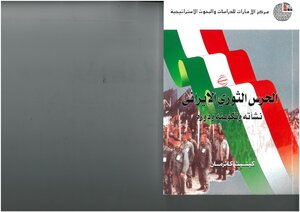
The Iranian Revolutionary Guard.. Its Origins - Composition And Role

Account upgrade
The download is free, but we offer some paid services. Support us by subscribing
Delete ads and speed up browsing the library.
The download starts with the click of a button without waiting for the book to be ready.
No limits for download times.
You can upload unlimited books in the library.
Enable readers to download your books without waiting.
Delete ads on the books that you publish.
No problems with download links for your uploaded books.
Book The Iranian Revolutionary Guard Its Origins Composition And Role
Copyright reserved
The book cannot be previewed or downloaded in order to preserve the copyright of the author and publishing house
Not available digitally or on paper through the Noor Library, it is for rating and review



The Iranian Revolutionary Guard.. Its Origins - Composition And Role
| Author: | Kenneth Katzman |
| Category: | Reply To Shia [Edit] |
| Language: | Arabic |
| Publisher: | مركز الإمارات للدراسات والبحوث السلسلة: دراسات مترجمة |
| ISBN: | 9948000978 |
| Release Date: | 01 Jan 1996 |
| Pages: | 191 |
| Rank: | 152,391 No 1 most popular |
| Short link: | Copy |
| More books like this book | |
Book Description
لا يكاد يخلو مكان في إيران من وجود الحرس الثوري الإسلامي. ولقد جرى تجمع عناصر هذا الجهاز في الفترة التي تلت الثورة الإيرانية مباشرة، بطريقة عشوائية، على هيئة ميليشيا ضعيفة التدريب والتنظيم، لتساعد آية الله الخميني وأتباعه في توطيد سلطتهم في طهران. لكن الحرس الثوري تطور خلال سنوات الحرب ضد العراق ليصبح جهازاً عسكرياً منظماً، يرصد الالتزام الشعبي بالشريعة الإسلامية، إضافة إلى كونه وسيلة رئيسية لتصدير الثورة الإسلامية. وقد قاتل أفراد الحرس الثوري في الحرب العراقية الإيرانية، جنباً إلى جنب، مع القوات النظامية الإيرانية التي ظلت قائمة بعد زوال الشاه. ومنذ نهاية النزاع العراقي-الإيراني عام 1988، اختار الحرس الثوري لنفسه دوراً عسكرياً دفاعياً، مع قيامه ببعض المهام المدنية في مجال إعادة الإعمار. مما يسترعي الانتباه أنه حتى الآن، كانت البحوث القليلة، التي ركزت على موضوع الحرس الثوري، تميل إلى مقارنته بالجيش النظامي الإيراني. لكن الواقع يقول أن الحرس الثوري يختلف بشكل أساسي عن الجيش، برؤيته العقائدية وكيفية إدارة عملياته ودوره الوظيفي في المجتمع والسياسة الإيرانيين، فضلاً عن تطور نشأته، مما يجعل تحليل أوضاعه صعباً في ضوء الأطروحات التقليدية لعلم التحليل السياسي-العسكري. ويختلف الحرس الثوري أيضاً عن الجيش النظامي في كونه يشكل قوة سياسية، لذا يجب تحليله بشكل أوفى.
من هذا المنطلق يأتي هذا الكتاب الذي تجري بين طياته دراسة تحليلية رائدة للحرس الثوري الإيراني. وقد تطرق المؤلف إلى دراسة المعايير التي يمكن من خلالها تقييم الحرس الثوري الإيراني وتحديد وزنه داخل النظام السياسي الإيراني وتشمل هذه المعايير المرونة السياسية والاجتماعية، والبنيوية-الوظيفية، ومدى تعقد الهيكل التنظيمي. كما تعرض لمسألة الاستقلالية السياسية والعسكرية للحرس، وتقسيماته الداخلية.
وقد أجرى المؤلف العديد من المقارنات بين الحرس الثوري الإيراني والجيوش الثورية التي عرفتها الحركات الثورية الأخرى مثل الثورة الفرنسية، والثورة الشيوعية في كل من الاتحاد السوفييتي السابق والصين الشعبية. مختتماً الدراسات بوضع عدة استنتاجات واحتمالات لتحديد آفاق مستقبل الحرس الثوري الإيراني.

Copyright reserved
The book cannot be previewed or downloaded in order to preserve the copyright of the author and publishing house
Not available digitally or on paper through the Noor Library, it is for rating and review
Share the book :
Book Review "The Iranian Revolutionary Guard.. Its Origins - Composition And Role"

Book Quotes "The Iranian Revolutionary Guard.. Its Origins - Composition And Role"

Other books like "The Iranian Revolutionary Guard.. Its Origins - Composition And Role"




Other books for "Kenneth Katzman"

If there is a problem with the book, please report through one of the following links:
Report the book or by Contact us
E-books are complementary and supportive of paper books and never cancel it. With the click of a button, the e-book reaches anyone, anywhere in the world.
E-books may weaken your eyesight due to the glare of the screen. Support the book publisher by purchasing his original paper book. If you can access it and get it, do not hesitate to buy it.
Publish your book now for free