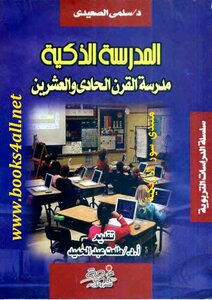
The Smart School And The Future Of Education In The Arab World

Account upgrade
The download is free, but we offer some paid services. Support us by subscribing
Delete ads and speed up browsing the library.
The download starts with the click of a button without waiting for the book to be ready.
No limits for download times.
You can upload unlimited books in the library.
Enable readers to download your books without waiting.
Delete ads on the books that you publish.
No problems with download links for your uploaded books.
Book The Smart School And The Future Of Education In The Arab World
Copyright reserved
The book cannot be previewed or downloaded in order to preserve the copyright of the author and publishing house
Not available digitally or on paper through the Noor Library, it is for rating and review

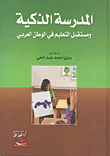

The Smart School And The Future Of Education In The Arab World
| Author: | Ramzy Abd Alhay |
| Category: | The School [Edit] |
| Language: | Arabic |
| Publisher: | مؤسسة الوراق للنشر والتوزيع |
| ISBN: | 9789957332389 |
| Release Date: | 15 Apr 2011 |
| Pages: | 229 |
| Rank: | 518,821 No 1 most popular |
| Short link: | Copy |
| More books like this book | |
Book Description
أدت ثورة الإتصالات والمعلومات وعولمة الإقتصاد والسياسة التي شهدها العالم في نهاية القرن الماضي، إلى تغيرات ثقافية وقيمية تزداد كل يوم وتيرتها وتأثيراتها على كل المجتمعات العالم، وستشكل هذه أحد أهم التحولات والتغيرات التي أثرت وستؤثر في تشكيل مجتمع القرن الحادي والعشرين، ومن ثم معالم وتوجيهات المؤسسات التعليمية والعلمية والثقافية فيه، وقد فطن المسؤولون عن الأنظمة التربوية والتعليمية العربية إلى هذه القضية.
لذلك فهي مطالبة الآن بمواجهة تحديات عصر المعلوماتية والتي يتمثل بعضها في الآتي: 1-إدارة طوفان المعلومات، 2-إعداد رأس المال البشري الأكثر كفاءة، 3-الحاجات الإجتماعية المتمثلة في الحق في التعليم، 4-تعزيز روح المواطنة، 5-المحافظة على القيم الثقافية والأخلاقية.
من هذا المنطلق ركزت المدرسة الحديثة على عملية التعلم التي تعتمد بشكل كبير وأساسي على إستخدام المتعلم لجميع حواسه كأدوات التعلم التي تتصل بما حوله من مؤثرات، تنقلها إلى العقل الذي يقوم بتحليلها وتصنيفها على شكل معارف وخبرات يستوعبها ويدركها ليستخدمها في مواجهة ما يقابله من مواقف حياتية جديدة.
وكشكل من أشكال التطور الطبيعي للمدرسة التقليدية نشأت فكرة الــ"SMART Schools"، وذلك نتيجة لتعدد مصادر المعرفة الإنسانية، فلم يعد الكتاب هو مصدر المعرفة فقط كما كان في عصر الثورة الصناعية، ولكن أصبحت وسائل الإعلام المسموعة والمرئية، والفضائيات، والكمبيوتر، والكتب الإلكترونية والإنترنت وغيرها من مصادر المعرفة الإنسانية، وكان من المنطقي أن تستخدم المدرسة تلك المصادر المتنوعة للمعرفة في تعلم التلاميذ من خلال الوسائل التكنولوجية المتاحة التي أصبحت متوفرة في المدرسة.
وقد جاءت فكرة هذا الكتاب كترجمة حقيقة لهذا التوجه، وقسمه المؤلف إلى تسعة فصول كالتالي: الفصل الأول: "المدرسة والتحديات العالمية المعاصرة"، الفصل الثاني: "مبررات قيام المدرسة الذكية"، الفصل الثالث: "مفهوم المدرسة الذكية ومواصفاتها وكيفية تنفيذها"، الفصل الرابع: "مميزات المدرسة الذكية وأهدافها وبعض النماذج لها عالمياً"، الفصل الخامس: "نظام الإدارة في المدرسة الذكية"، الفصل السادس: "مناهج المدرسة الذكية"، الفصل السابع: "معلم المدرسة الذكية"، الفصل الثامن: "بعض الصعوبات والمعوقات التي تواجه المدرسة الذكية"، الفصل التاسع: "المدرسة الذكية في الدول العربية بين مواقع والمأمول".

Copyright reserved
The book cannot be previewed or downloaded in order to preserve the copyright of the author and publishing house
Not available digitally or on paper through the Noor Library, it is for rating and review
Share the book :
Book Review "The Smart School And The Future Of Education In The Arab World"

Book Quotes "The Smart School And The Future Of Education In The Arab World"

Other books like "The Smart School And The Future Of Education In The Arab World"





Other books for "Ramzy Abd Alhay"



If there is a problem with the book, please report through one of the following links:
Report the book or by Contact us
E-books are complementary and supportive of paper books and never cancel it. With the click of a button, the e-book reaches anyone, anywhere in the world.
E-books may weaken your eyesight due to the glare of the screen. Support the book publisher by purchasing his original paper book. If you can access it and get it, do not hesitate to buy it.
Publish your book now for free