Comparative Jurisprudence Between The Five Islamic Schools Of Thought (a Historical Study - Fundamentals - Comparative Jurisprudence)

Account upgrade
The download is free, but we offer some paid services. Support us by subscribing
Delete ads and speed up browsing the library.
The download starts with the click of a button without waiting for the book to be ready.
No limits for download times.
You can upload unlimited books in the library.
Enable readers to download your books without waiting.
Delete ads on the books that you publish.
No problems with download links for your uploaded books.
Book Comparative Jurisprudence Between The Five Islamic Schools Of Thought A Historical Study Fundamentals Comparative J
Copyright reserved
The book cannot be previewed or downloaded in order to preserve the copyright of the author and publishing house
Not available digitally or on paper through the Noor Library, it is for rating and review

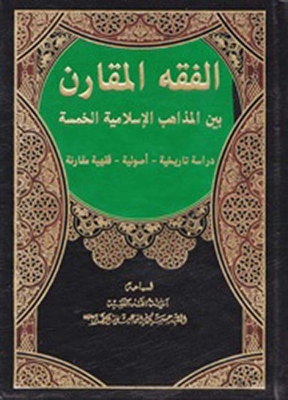

Comparative Jurisprudence Between The Five Islamic Schools Of Thought (a Historical Study - Fundamentals - Comparative Jurisprudence)
| Author: | Hussein Ismail AlSadr |
| Category: | Maliki's Jurisprudence [Edit] |
| Language: | Arabic |
| Publisher: | دار المحجة البيضاء للطباعة والنشر والتوزيع |
| Release Date: | 01 Dec 2013 |
| Pages: | 622 |
| Rank: | 82,688 No 1 most popular |
| Short link: | Copy |
| More books like this book | |
Book Description
لقد عرف تاريخ التشريع الإسلامي جهابذة من مجتهدين ومذاهب كثراً، منها ما لم يبق إلا ببقاء مجتهد ثم زال بزواله، ولم يبق له اثر إلا في كتب الفقه المقارن.
واستقر أمر الفقه والتشريع على الساحة الإسلامية اليوم على مذاهب معروفة، وأصبح أكثر المسلمين يرجعون في أحكامهم إلى المذاهب الأربعة السنية:
(الحنفي، والمالكي، والشافعي، والحنبلي)، وطائفة كبيرة من المسلمين ينتمون إلى المذهب الجعفري الإمامي (الشيعة الإمامية) ، إضافة إلى فئة قليلة يرجعون إلى المذهب الزيدي.
تكمن أهمية المنفعة والبحث في هذا الموضوع ترجع لأسباب عدة: في التقريب بين مذاهب المسلمين التي تؤدي إلى التقارب بين أتباع هذه المذاهب، والعمل على تجاوز ونسيان النعرات الطائفية، والتعصب المقيت الذي عانى المسلمون من نتائجه قروناً طويلة.
وكما أن المكتبة الإسلامية ما زالت تفتقر إلى دراسة مقارنة تجمع ما اختلف فيه المذهب الجعفري الإمامي مع المذاهب السنية الأربعة، دون الخوض في المسائل المتفق عليها – وهي كثيرة جداً – مع ذكر أدلة الطرفين ومناقشتها.
وقد مهد المؤلف للأبحاث الفقهية الواردة في هذا الكتاب بدراسة تاريخية وأصولية بين المدرستين – النص والرأي – ومسيرته التاريخية، ومصادر كل من المذاهب الخمسة وتراجم أشهر فقهائها.
كما قدم للمسائل الفقهية بذكر أشهر الأدلة التي اعتمدها فقهاء المذاهب لتقوية ما ذهبوا إليه من أحكام ثم أتبع ذلك بمناقشة مذاهبهم وأقوالهم.
وقد جاءت هذه الدراسة في عشرة فصول توزعت وفق ما يلي:
الفصل الأول: الفقه في اللغة.
الفصل الثاني: أضواء على الفقه والفقهاء.
الفصل الثالث: أهم أسباب اختلاف الفقهاء.
الفصل الرابع: أهم مصادر الفقهاء الصولية ومناهجهم.
الفصل الخامس: أحكام الطهارة.
الفصل السادس: أحكام الصلاة.
الفصل السابع: أحكام الصيام.
الفصل الثامن: أحكام الزكاة.
الفصل التاسع: أحكام الحج.
الفصل العاشر: أحكام النكاح – الطلاق – والعدة – والرضاع.

Copyright reserved
The book cannot be previewed or downloaded in order to preserve the copyright of the author and publishing house
Not available digitally or on paper through the Noor Library, it is for rating and review
Share the book :

Book Quotes "Comparative Jurisprudence Between The Five Islamic Schools Of Thought (a Historical Study - Fundamentals - Comparative Jurisprudence)"

Other books like "Comparative Jurisprudence Between The Five Islamic Schools Of Thought (a Historical Study - Fundamentals - Comparative Jurisprudence)"


Other books for "Hussein Ismail AlSadr"

If there is a problem with the book, please report through one of the following links:
Report the book or by Contact us
E-books are complementary and supportive of paper books and never cancel it. With the click of a button, the e-book reaches anyone, anywhere in the world.
E-books may weaken your eyesight due to the glare of the screen. Support the book publisher by purchasing his original paper book. If you can access it and get it, do not hesitate to buy it.
Publish your book now for free