Liens Personnels, Clientelisme Et Reseaux De Pouvoir Dans Le Sultanat Mamelouk

Account upgrade
The download is free, but we offer some paid services. Support us by subscribing
Delete ads and speed up browsing the library.
The download starts with the click of a button without waiting for the book to be ready.
No limits for download times.
You can upload unlimited books in the library.
Enable readers to download your books without waiting.
Delete ads on the books that you publish.
No problems with download links for your uploaded books.
Book Liens Personnels Clientelisme Et Reseaux De Pouvoir Dans Le Sultanat Mamelouk
Copyright reserved
The book cannot be previewed or downloaded in order to preserve the copyright of the author and publishing house
Not available digitally or on paper through the Noor Library, it is for rating and review



Liens Personnels, Clientelisme Et Reseaux De Pouvoir Dans Le Sultanat Mamelouk
| Author: | Mathieu Eychenne |
| Category: | Unspecified Category [Edit] |
| Language: | English |
| Publisher: | المعهد الفرنسي للدراسات العربية |
| ISBN: | 9782351593813 |
| Release Date: | 17 Dec 2013 |
| Pages: | 605 |
| Rank: | 835,006 No 1 most popular |
| Short link: | Copy |
| More books like this book | |
Book Description
Les conflits qui imprégnèrent l’histoire du Proche-Orient médiéval, des croisades aux invasions mongoles, rendirent nécessaire la présence de guerriers au cœur du pouvoir. Les Mamelouks, esclaves militaires, affranchis pour accéder au titre d’émir, gouvernèrent l’Égypte et la Syrie, à partir de 1250, avec le titre de sultan, et furent de ceux qui défendirent le monde musulman contre les périls du temps.
La singularité de la société mamelouke tient non seulement au fait que d’anciens esclaves, capturés enfants dans les plaines d’Asie centrale et dans le Caucase, soient devenus des leaders politiques, mais aussi que la société concernée ait été composée de deux groupes élitaires complémentaires : d’une part, les Mamelouks, turcophones arabisés, convertis à l’islam, détenant le pouvoir politique et constituant les forces armées ; d’autre part, les ulémas, arabophones, musulmans de naissance, lettrés détenant les fonctions religieuses, celles de la judicature et de la transmission du savoir.
En cela réside le difficile enjeu du présent ouvrage : saisir, de façon aussi fine que possible, au-delà de la distinction et des rapports de domination, les modalités de cette longue coexistence, et étudier, comprendre et restituer la complexité des interactions et des relations que Mamelouks et élites civiles et religieuses ont su tisser entre eux.
Pour ce faire, cette étude se concentre sur le règne des sultans turcs (1250-1382), la Dawlat al-Atrāk. Par une analyse des liens personnels, de leur formation et de leur nature plurielle, elle entend non seulement replacer l’individu et ses pratiques au cœur de la recherche, mais encore reconstruire les réseaux de relations de cette époque et montrer leur importance dans l’exercice du pouvoir et l’élaboration du contrat social.

Copyright reserved
The book cannot be previewed or downloaded in order to preserve the copyright of the author and publishing house
Not available digitally or on paper through the Noor Library, it is for rating and review
Share the book :
Book Review "Liens Personnels, Clientelisme Et Reseaux De Pouvoir Dans Le Sultanat Mamelouk"

Book Quotes "Liens Personnels, Clientelisme Et Reseaux De Pouvoir Dans Le Sultanat Mamelouk"

Other books like "Liens Personnels, Clientelisme Et Reseaux De Pouvoir Dans Le Sultanat Mamelouk"






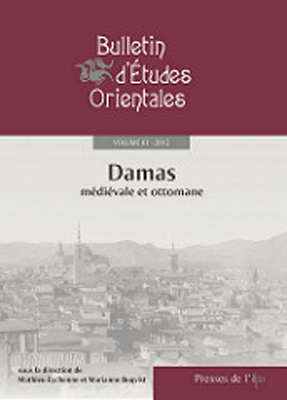
Other books for "Mathieu Eychenne"
If there is a problem with the book, please report through one of the following links:
Report the book or by Contact us
E-books are complementary and supportive of paper books and never cancel it. With the click of a button, the e-book reaches anyone, anywhere in the world.
E-books may weaken your eyesight due to the glare of the screen. Support the book publisher by purchasing his original paper book. If you can access it and get it, do not hesitate to buy it.
Publish your book now for free