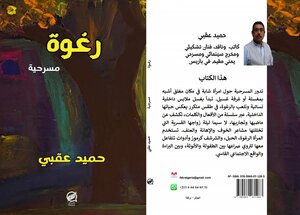
books روآية قصيرة جدا يوريديس في ليلة الرازم للكاتب السينمائي حميد عقبي
If you do not find what you're looking for, you can use more accurate words.

روآية قصيرة جدًا "يوريديس في ليلة الرازم"، للكاتب السينمائي/ حميد عقبي (Book)
في روايته القصيرة أو القيرة جدًا "يوريديس في ليلة الرازم"، يقدم حميد عقبي عملاً سرديًا مركّبًا، ينهل من الأسطورة ويعيد تشكيلها بلغةٍ سينمائية شاعرية. يستعير الكاتب شخصية يوريديس الإغريقية، المحبوسة بين الحياة والموت، ليرسم من خلالها حالة المنفى، والذاكرة الجريحة، والانكسارات العاطفية. الرواية لا تستعيد الأسطورة أو تعمل على نسخها بقدر ما هي تفكيك لحدود الهوية والزمن واللغة، وتجربة جمالية تنوس بين الحلم والكوابيس واللذة والألم.
تتوزع الرواية بين مشاهد ليلية ومونولوجات داخلية تتقاطع فيها الشخصيات: امرأة/شبح تبحث عن مخرج من العتمة، ورجل يتناسل من ذكرياته وجراحه. الغرفة، المطر، الجسد، والظل، كلها رموز تتكرر لتنسج عالماً من الاستيهامات المرئية، يكشف هشاشة الذات في مواجهة الفقد والحرب والمنفى.
استخدم عقبي أسلوبًا يراوح بين الشعر والنثر، ما جعل بعض النقاد يشيرون إلى أن الرواية «تتحرك كما لو كانت شريطًا سينمائيًا حلميًا»، حسب قراءة نشرت في موقع المثقف. في حين رأى آخرون أن الرواية "تجربة سردية تمارس غواية التجريب لا بغرض الزينة بل للكشف"، كما ورد في مراجعة لـمجلة أنتلجنسيا.
تكمن قوة النص في تكثيفه اللغوي والانفعالي، حيث لا يبحث عن الحبكة التقليدية، بل يقدّم مشهدية داخلية تنمو على حواف الغياب. الغموض ليس عيبًا هنا، بل ضرورة جمالية تقود القارئ إلى تأملات وجودية، كما لو كان يعبر نفقًا من ظلال الذاكرة باتجاه صوت بعيد.
"يوريديس في ليلة الرازم" رواية قصيرة، لكنها مفتوحة على احتمالات التأويل والانفعال والتخييل، وهي تقدم نموذجًا بارزًا للأدب المهجري الحي الذي يتجاوز الأوطان ويخاطب الإنسان العاري من كل مساحيق.
Eurydice in the Night of Al-Razem
In "Eurydice in the Night of Al-Razem", Yemeni writer Hamid Oqabi reshapes myth into a haunting narrative of exile, memory, and fragmented identity. Drawing inspiration from the Greek figure Eurydice, the novella becomes a surreal dialogue between life and death, presence and shadow.
Through a lyrical and cinematic style, Oqabi creates a ghostly space where a woman haunts the memory of a man, and both drift in a fog of war, longing, and sensual illusions. The narrative resists traditional plot; instead, it builds an atmospheric inner landscape of emotional echoes and existential tremors.
Critics have praised the book for its poetic density and dreamlike structure. One reviewer called it “a cinematic hallucination,” while others noted its ability to turn grief into aesthetic meditation.
At once intimate and elusive, this short novel affirms that literature can blur time and voice to touch what is most fragile in the human soul.
Eurydice dans la nuit d’Al-Razem
Dans "Eurydice dans la nuit d’Al-Razem", Hamid Oqabi transforme le mythe en un récit dense et onirique sur l’exil, la mémoire et le désir. Loin d’une narration linéaire, le texte explore une chambre intérieure faite d’ombres, de murmures et de blessures ouvertes.
À travers une langue poétique et visuelle, Oqabi orchestre la rencontre d’un homme avec une Eurydice spectrale, perdue entre rêve et guerre. La structure fragmentaire devient un miroir de l’âme égarée.
Les critiques saluent cette œuvre comme une “hallucination cinématographique”, un chant funèbre et sensuel à la fois.