books set up rity
If you do not find what you're looking for, you can use more accurate words.
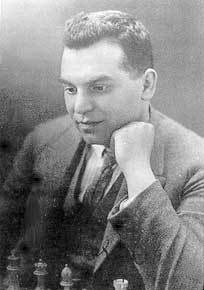
منصوبة ريتي (Info)
منصوبة ريتي في لعبة الشطرنج هي دراسة لوضعية في نهاية اللعب تشمل ملكاً وبيدقاً لكل طرف، قام بتركيبها اللاعب المنتمي إلى الإمبراطورية النمساوية المجرية ريتشارد ريتي والذي حمل لاحقاً الجنسية التشيكوسلوفاكية . ُنشرت المنصوبة في عام 1921 في المطبوع المهتم بنشر أخبار الشطرنج «Kagans Neueste Schachnachrichten».
توضح المنصوبة كيف يمكن لقطعة الملك أن توجه تهديدات متعددة وكيف يمكن لها أن تسلك أكثر من مسار واحد للوصول إلى موقع معين، وذلك باستخدام نفس العدد من النقلات . ذاع صيت هذه المنصوبة التي تقدم دراسة للمرحلة النهائية وتناولت العديد من الكتب حول نهاية اللعبة محور دراستها .
تعرف المنصوبة باسماء مختلفة مثل «مناورة ريتي» أو «فكرة ريتي», (Nunn 2007:118–19) وتسمى أيضا «مطاردة عصفورين في آن واحد». وأطلق مؤلف التركيبات أبرام غورفيتش على المنصوبة اسم «مطاردة قواعين» . و لمنصوبة ريتي حضور في العديد من الأدوار ومنصوبات أخرى .
المنصوبة
White is to move and تعادل (شطرنج) in this position. At first inspection, it appears that White has no hope in drawing. His king is well outside the "square" of the black بيدق (شطرنج) (see king and pawn versus king endgame) and the king is a long way from supporting his own pawn. However, White can draw by making king moves that have two purposes. One goal is getting in the square of the black pawn, so it can be intercepted and the other is getting to the d6 square to support the ترقية (شطرنج) of his pawn.
The black king will have to spend two دور (شطرنج) to stop the white pawn from promoting, and this is the number of tempi the white king needs to gain in order to get into the square of the black pawn.
The second diagram shows the number of ways that the white king can get to various squares in the minimum number of moves. There are nine ways to get to d6, but only one of them allows him to get into the square of the black pawn.
The solution is for the white king to follow the path on the diagonal marked by "1" and then follow the dots to intercept the black pawn (if necessary):
- 1. Kg7! h4
- 2. Kf6 Kb6 Black has to spend a tempo on preventing the white king from reaching his pawn. If 2... h3 then 3. Ke7 h2 4. c7 Kb7 5. Kd7 and both pawns promote, with a drawn position.
- 3. Ke5! Kxc6 Black has to spend another tempo to مسرد الشطرنج the pawn, to prevent the white king from protecting it. If 3... h3 then 4. Kd6 h2 5. c7 h1=Q 6. c8=Q, draw (Müller & Pajaken 2008:12–13). Now the white king has gained enough tempi to get in the square of the black pawn and intercept it:
- 4. Kf4, draw since the white king can stop the pawn from promoting (e.g. 4... h3 5. Kg3 h2 6. Kxh2) (de la Villa 2008:179–80).
منصوبة أخرى بنفس الفكرة
استخدم ريتي نفس الفكرة في منصوبة أخرى قام بتركيبها في سنة 1928. الحل هو:
أمثلة من الأدوار
ياتس أمام مارشال
في هذا الدور بين فريدريك ياتس و فرانك مارشال، تعادل الأسود باستخدام نفس الفكرة:
- 60... Kb2! (if 60... Kc2? 61. f4 wins)
- 61. Kxa4 (if 61. f4?? then 61... a3 wins)
- 61... Kc3!
- 62. f4 Kd4 ½-½ (Fishbein 1993:18–19), (Dvoretsky 2006:26–27)
لاسكر أمام تاراش
In this 1914 game between بطولة العالم للشطرنج إيمانويل لاسكر and زيغبرت تاراش, Black exchanged down into this position because he thought it was a win, but White used the maneuver above to draw the game.
- 40. h4 Kg4
- 41. Kg6! Threatening 42. h5 (Giddins 2007:8). Black had only considered the line: 41. Kf6? c4 42. bxc4 bxc4 43. Ke5 c3 44. bxc3 a4 45. Kd4 a3, winning (Kasparov 2003:209).
- 41... Kxh4 This move is مسرد الشطرنج and the white king gains a tempo to return on a different diagonal which is not obstructed by his pawns (Giddins 2007:8).
- 42. Kf5 Kg3
- 43. Ke4 Kf2
- 44. Kd5 Ke3
- 45. Kxc5 Kd3
- 46. Kxb5 Kc2
- 47. Kxa5 Kxb3 ½-½
The theme of this endgame was used later by Réti in the study (Kasparov 2003:210).
ملاحظات
2 !
لمزيد من القراءة
- Fine, Reuben; Benko, Pal (2003), Basic Chess Endings (الطبعة 2nd), McKay, صفحة 11, ISBN 0-8129-3493-8 الوسيط
|CitationClass=تم تجاهله (مساعدة); الوسيط|separator=تم تجاهله (مساعدة)CS1 maint: ref=harv (link) - Flear, Glenn (2004), Starting Out: Pawn Endgames, Everyman Chess, صفحة 95, ISBN 1-85744-362-4 الوسيط
|CitationClass=تم تجاهله (مساعدة); الوسيط|separator=تم تجاهله (مساعدة)CS1 maint: ref=harv (link) - Keres, Paul (1984), Practical Chess Endings, Batsford, صفحات 13–14, ISBN 0-7134-4210-7 الوسيط
|CitationClass=تم تجاهله (مساعدة); الوسيط|separator=تم تجاهله (مساعدة)CS1 maint: ref=harv (link) - Müller, Karsten; Lamprecht, Frank (2001), Fundamental Chess Endings, Gambit Publications, صفحة 31, ISBN 1-901983-53-6 الوسيط
|CitationClass=تم تجاهله (مساعدة); الوسيط|separator=تم تجاهله (مساعدة)CS1 maint: ref=harv (link) - Seirawan, Yasser (2003), Winning Chess Endings, Everyman Chess, صفحات 36–37, ISBN 1-85744-348-9 الوسيط
|CitationClass=تم تجاهله (مساعدة); الوسيط|separator=تم تجاهله (مساعدة)CS1 maint: ref=harv (link) - Speelman, Jon (1981), Endgame Preparation, Batsford, صفحات 26–27, ISBN 0-7134-4000-7 الوسيط
|CitationClass=تم تجاهله (مساعدة); الوسيط|separator=تم تجاهله (مساعدة)CS1 maint: ref=harv (link)