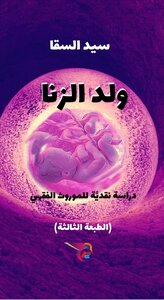
Born Of Zina (A Critical Study Of The Fiqh Legacy)

Account upgrade
The download is free, but we offer some paid services. Support us by subscribing
Delete ads and speed up browsing the library.
The download starts with the click of a button without waiting for the book to be ready.
No limits for download times.
You can upload unlimited books in the library.
Enable readers to download your books without waiting.
Delete ads on the books that you publish.
No problems with download links for your uploaded books.
Book Quotes Born Of Zina A Critical Study Of The Fiqh Legacy


Born Of Zina (A Critical Study Of The Fiqh Legacy)
| Author: | Sayed El-sakka |
| Category: | Islamic Fiqh [Edit] |
| Language: | Arabic |
| Pages: | 155 |
| Rank: | 84,185 No 1 most popular |
| Short link: | Copy |
| More books like this book | |
Book Description
هذا الكتاب:
تكمنُ أهمية هذا الكتاب في تَعرُّضه لبعض القواعد الأصولية بالدِّرَاسة والفحص والنقد، والتحقق مِن زعم الإجماع على بعض الأحكام، ونقد الرأي القائل بأنَّ الإجماع على مسألة من المسائل يجعلها حكمًا شرعيًّا ثابتًا لا يجوز ردُّه، مما يعني مساواة الحكم الاجتهادي المسمَّى إجماعًا بالوحي المُنَزَّل! مع أن الإجماع في حقيقته رأي اجتهادي لمجموعة من العلماء في زمن معين، وغالبًا ما يكون إجماعًا داخل مذهب، وليس إجماعًا لعموم المذاهب؛ أي: هو اجتهاد اتفق على نتيجته مجموعة كبيرة من المجتهدين، ويمكن ردُّه باجتهاد أقوى منه.
فهذا الكتاب يتناول بالنقد الرأي الفقهي المشهور والمعمول به في المحاكم حتى يومنا هذا، وهو نسبة ولد الزنا إلى زوج الزانية إن كانت متزوجة وليس إلى أبيه الزاني الذي جاء من نطفته، وإذا كانت الزانية غير متزوجة ينسبون الولد إليها وحدها دون شريكها في المعصية، ويحرمون الولد في الحالتين من نسبه لأبيه الذي جاء من نطفته، كما يُعفى الزاني (هذا العاصي المدلل) من واجب النفقة على مولوده، ويُحرم ابنه من ميراثه! كما يتعرض الكتاب لدعوى الإجماع على الرأي المشهور بالنقد والرد، ويثبت وجوب نسبة ولد الزنا لأبيه الزاني لأنه جاء من نطفته، خلافًا للرأي المجمع عليه.
وعلى هذا؛ فإن الكتاب يقرر أنَّ القول بالإجماع على مسألة من المسائل لا يجعلها حكمًا شرعيًّا ثابتًا لا يجوز رده! وأنَّ الإجماع ما هو إلا رأي اجتهادي لمجموعة من العلماء في زمن معين، وغالبًا ما يكون إجماعًا داخل مذهب، وليس إجماعًا لعموم المذاهب، ولا هو وحيٌ منزَّل يلزم به المسلمون في كل زمان.
بل جاء الوحي المنزل بخلاف هذا الرأي في قوله تعالى في سورة الممتحنة: يَا أَيُّهَا النَّبِيُّ إِذَا جَاءَكَ الْمُؤْمِنَاتُ يُبَايِعْنَكَ عَلَىٰ أَن لَّا يُشْرِكْنَ بِاللَّهِ شَيْئًا وَلَا يَسْرِقْنَ وَلَا يَزْنِينَ وَلَا يَقْتُلْنَ أَوْلَادَهُنَّ وَلَا يَأْتِينَ بِبُهْتَانٍ يَفْتَرِينَهُ بَيْنَ أَيْدِيهِنَّ وَأَرْجُلِهِنَّ وَلَا يَعْصِينَكَ فِي مَعْرُوفٍ ۙ فَبَايِعْهُنَّ وَاسْتَغْفِرْ لَهُنَّ اللَّهَ ۖ إِنَّ اللَّهَ غَفُورٌ رَّحِيمٌ (12)؛ يقول ابن رجب في تفسير هذه الآية: «وقد اختلف المفسرون في البهتان المذكور في آية بيعة النساء: فأكثرهم فسروه بإلحاق المرأة بزوجها ولدًا من غيره، رواه علي ابن أبي طلحة، عن ابن عباس، وقاله مقاتل بن حيان وغيره. واختلفوا في معنى قوله: «بين أيديهن وأرجلهن» فقيل: لأن الولد إذا ولدته أمه سقط بين يديها ورجليها، وقيل: بل أراد بما تفتريه بين يديها: أن تأخذ لقيطًا فتلحقه بزوجها، وبما تفتريه بين رجليها: أن تلده من زنا ثم تلحقه بزوجها» [«فتح الباري» لابن رجب (1/ 73)]. وعلى هذا -وحسب ما يُفهم من القرآن- فإنَّ إلحاق ولد الزنى بزوج الزانية بهتان وافتراء، ولا قيمة لأي إجماع مخالف.
Share the book :
Book Quotes "Born Of Zina (A Critical Study Of The Fiqh Legacy)"

Other books like "Born Of Zina (A Critical Study Of The Fiqh Legacy)"





Other books for "Sayed El-sakka"




If there is a problem with the book, please report through one of the following links:
Report the book or by Contact us
E-books are complementary and supportive of paper books and never cancel it. With the click of a button, the e-book reaches anyone, anywhere in the world.
E-books may weaken your eyesight due to the glare of the screen. Support the book publisher by purchasing his original paper book. If you can access it and get it, do not hesitate to buy it.
Publish your book now for free