Ibn Taymiyyah And The Resumption Of The Philosophical Saying In Islam

Account upgrade
The download is free, but we offer some paid services. Support us by subscribing
Delete ads and speed up browsing the library.
The download starts with the click of a button without waiting for the book to be ready.
No limits for download times.
You can upload unlimited books in the library.
Enable readers to download your books without waiting.
Delete ads on the books that you publish.
No problems with download links for your uploaded books.
Book Ibn Taymiyyah And The Resumption Of The Philosophical Saying In Islam
Copyright reserved
The book cannot be previewed or downloaded in order to preserve the copyright of the author and publishing house
Not available digitally or on paper through the Noor Library, it is for rating and review

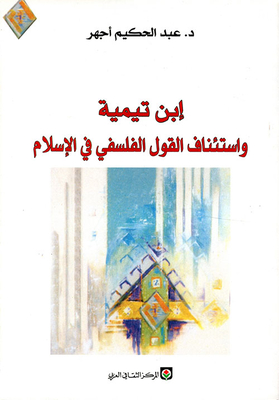

Ibn Taymiyyah And The Resumption Of The Philosophical Saying In Islam
| Author: | عبد الحكيم أجهر |
| Category: | Ebn Taimia [Edit] |
| Language: | Arabic |
| Publisher: | المركز الثقافي العربي |
| Release Date: | 01 Jan 2004 |
| Pages: | 256 |
| Rank: | 213,021 No 1 most popular |
| Short link: | Copy |
| More books like this book | |
Book Description
يُنظر إلى ابن تيمية عادة على أنه فقيه أكثر منه متكلّم أو فيلسوف. وحتى عندما يثناقش فكره على أسس كلامية وفلسفية، يُنظر إليه على أنه خصم لدود للتفكير العقلاني في الإسلام. جزئياً هذه النظرة صحيحة ولكنها تمثل نصف الحقيقة وربما أقلّ.
في هذا الكتاب سيتم مقاربة الجانب الآخر من فكر ابن تيمية. وفي مقاربتنا لهذا الجانب من فكره سنجد أن لابن تيمية موقفاً فلسفياً، وأن رؤيته للعالم تتمتع بتماسك ذاتي كافٍ يقوم على أسس فلسفية ومنطقية واضحة وصلبة. ونحن هنا لا نقصد استنطاق ابن تيمية ليقول ما لم يقله صراحة، بل سنصغي إليه جيداً، ونقرأه بانتباه، رغم صعوبة ذلك مع مفكّر استخدم لغة مزدوجة في التعبير عن أفكاره، علاوة على تعامل أبتاعه ومريديه مع جانب واحد من خطابه على مرّ القرون، الأمر الذي جعل من محاولة العودة إلى فكر ابن تيمية أمراً يتسم بالصعوبة.
لقد قام الفكر السنّي في الماضي بتبديدد تراث المعلم العقلاني ومشروعه الضخم في التوفيق بين العقل والنقل. إن فكر ابن تيمية شكّل امتحاناً للفكر الإسلامي بشكل عام وللمذهب السني بشكل خاص، ماذا يأخذ وماذا يترك؟ وكان من الممكن لمكانة ابن تيمية ومرجعيته، التي قلما تناقش، أن تكون مُعيناً في استئناف عقلانيته، خصوصاً وأنه كرس حياته ليؤصل للمذهب السني القواعد الفلسفية الأساسية في المسائل الشائكة ولصوغ موقفاً متكاملاً من الله والعالم والخلق وحرية الإرادة والإنسانية وكلام الله.
إن الازدواجية في خطابه أدخلته في الغرف الدعوية وغيّبت النقد البرهاني له. ولكن وبمعزل عن أسباب لجوئه إلى هذه الازدواجية، والتي يمكن أن تفسر بأكثر من وجه، رغم أنه يحاول تمرير القول بأنه يصحح علاقة العقل بالنص بعد أن ضيع المتكلمون والفلاسفة تلك العلاقة. نقول إن هذا الأسلوب جعل خطابه يفتقد للوضوح، الأمر الذي شوش حتى على الباحثين المحايدين أن يكشفوا عن الجانب الآخر من خطابه. وهذا ما سنحاول تبيانه في هذا الكتاب.

Copyright reserved
The book cannot be previewed or downloaded in order to preserve the copyright of the author and publishing house
Not available digitally or on paper through the Noor Library, it is for rating and review
Share the book :
Book Review "Ibn Taymiyyah And The Resumption Of The Philosophical Saying In Islam"

Book Quotes "Ibn Taymiyyah And The Resumption Of The Philosophical Saying In Islam"

Other books like "Ibn Taymiyyah And The Resumption Of The Philosophical Saying In Islam"
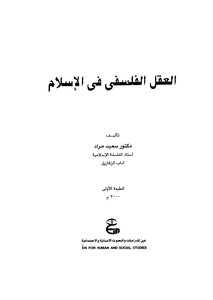
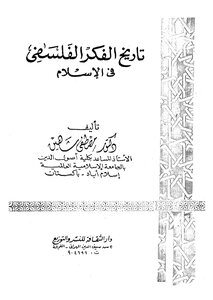
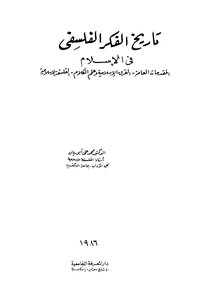
Other books for "عبد الحكيم أجهر"


If there is a problem with the book, please report through one of the following links:
Report the book or by Contact us
E-books are complementary and supportive of paper books and never cancel it. With the click of a button, the e-book reaches anyone, anywhere in the world.
E-books may weaken your eyesight due to the glare of the screen. Support the book publisher by purchasing his original paper book. If you can access it and get it, do not hesitate to buy it.
Publish your book now for free