Social Etiquette And Etiquette

Account upgrade
The download is free, but we offer some paid services. Support us by subscribing
Delete ads and speed up browsing the library.
The download starts with the click of a button without waiting for the book to be ready.
No limits for download times.
You can upload unlimited books in the library.
Enable readers to download your books without waiting.
Delete ads on the books that you publish.
No problems with download links for your uploaded books.
Book Social Etiquette And Etiquette
Copyright reserved
The book cannot be previewed or downloaded in order to preserve the copyright of the author and publishing house
Not available digitally or on paper through the Noor Library, it is for rating and review



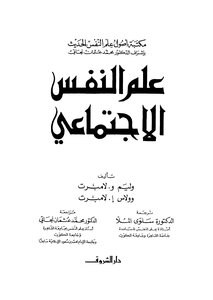
Social Etiquette And Etiquette
| Author: | أصفا ووسن آسيراتي |
| Category: | Translated Social Stories [Edit] |
| Language: | Arabic |
| Publisher: | قدمس للنشر والتوزيع |
| Release Date: | 01 Apr 2005 |
| Pages: | 467 |
| Rank: | 574,780 No 1 most popular |
| Short link: | Copy |
| More books like this book | |
Book Description
يشعر الكثيرون أنهم بحاجة إلى الإطلاع على القواعد المتصلة بطرائق السلوك في المجتمع. إذ أن الأسرة هي التي تنقل قواعد السلوك في المقام الأول، حيث يجد الطفل أن العالم منعكساُ في الأسرة في صورة نموذجية. وكانت قواعد السلوك في الفترات التي سبقت العصر الصناعي، في الغرب مرتبطة بمفهوم التمثيل أوثق الارتباط وكان الفرد يمثل بسلوكه أكثر من مجرد نفسه إذ كان يمثل أسرته وطبقته وبفعل قواعد السلوك كان الرجل والمرأة يتحولان إلى رجل مطلق وإلى امرأة مطلقة.
وهذا الكتاب رغم أنه يتطرق إلى بعض الأمور التي تتعلق بمد الخوان والأطعمة عليه، وكتابة الرسائل وكما أنه يتناول موضوع قواعد السلوك من زاوية أخرى ويبحث في القانون الجمالي للسلوك، وفي الأجواء والأوساط التي تعد قواعد السلوك ذات أهمية، إلا أن هم مؤلف هذا الكتاب انصب في فكرة رئيسية مفادها أن قواعد السلوك ليست نظاماً أو منظومة، فهي أمور لا يمكن الوصول إليها عن طريق الاستنتاج المنطقي كما أنها تمتنع على التثبيت الدقيق. لأن المسألة من وجهة نظره تتعلق بتكوين نمط معين من البشر أكثر مما نتعلق بإحصاء القواعد السلوكية.
قواعد السلوك جميلة، مستحسنة، ولكن أي قواعد سلوك؟ لقد سمع ذلك الآخذ في النهوض شائعة، أسوأ من السيئة، أو لا تكون هناك قواعد سلوك هي السيئة. ويظن أن ما علّمه أبواه هو القواعد السيئة..
فما الذي كان قبيحاً، تبعاً لاعتباري؟:
-إطالة النظر في وجوه الغرباء.
-تشغيل التلفاز عندما يدخل الزوار الحجرة.
-اتراع الكؤوس بالكحول إلى حد الإفراط.
-حديث المرء عن وزنه.
-حمل منديل جيب في جيب الصدر من القماش ذاته الذي صنعت منه ربطة العنق.
-التعجب.
-الإدلاء بالنصائح الطبية: ألا تعلم أن هذا الإفراط في الملح يضر بالصحة؟
-حشر المرء نفسه بين صفوف المقاعد في المسرح، وظهره موجه نحو الجالسين.
-الجلوس إلى المائدة والقسم الأعلى من الجسد عار.
-سؤال الغرباء، وهم على مائدة العشاء: هل تؤمنون بالله؟"...

Copyright reserved
The book cannot be previewed or downloaded in order to preserve the copyright of the author and publishing house
Not available digitally or on paper through the Noor Library, it is for rating and review
Share the book :
Book Review "Social Etiquette And Etiquette"

Book Quotes "Social Etiquette And Etiquette"

Other books like "Social Etiquette And Etiquette"



If there is a problem with the book, please report through one of the following links:
Report the book or by Contact us
E-books are complementary and supportive of paper books and never cancel it. With the click of a button, the e-book reaches anyone, anywhere in the world.
E-books may weaken your eyesight due to the glare of the screen. Support the book publisher by purchasing his original paper book. If you can access it and get it, do not hesitate to buy it.
Publish your book now for free