Principles Of Applied Criticism

Account upgrade
The download is free, but we offer some paid services. Support us by subscribing
Delete ads and speed up browsing the library.
The download starts with the click of a button without waiting for the book to be ready.
No limits for download times.
You can upload unlimited books in the library.
Enable readers to download your books without waiting.
Delete ads on the books that you publish.
No problems with download links for your uploaded books.
Book Principles Of Applied Criticism
Copyright reserved
The book cannot be previewed or downloaded in order to preserve the copyright of the author and publishing house
Not available digitally or on paper through the Noor Library, it is for rating and review

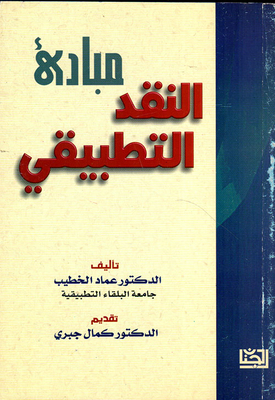

Principles Of Applied Criticism
| Author: | Emad AlKhatib |
| Category: | Applied Statistics [Edit] |
| Language: | Arabic |
| Publisher: | دار الجنان للنشر والتوزيع |
| Release Date: | 31 Dec 2003 |
| Pages: | 234 |
| Rank: | 408,753 No 1 most popular |
| Short link: | Copy |
| More books like this book | |
Book Description
يرى الناقد الدكتور عماد الخطيب في كتابه »مبادئ النقد التطبيقي« الصادر حديثا عن دار الجنان في عمان : ان الكتب النقدية في المكتبة العربية التي يلاحظ عليها الكم الهائل في النظريات نسبة لقلة تطبيق ما هو موجود من نظريات على نصوص مدروسة يستفاد خلالها من النظرية والتطبيق ومع حاجة طلاب علم النقد اولا ثم حاجة من هو في عداد الطلاب ثانيا.
يقول الناقد الدكتور كمال جبري عبهري في تقديمه لهذا الكتاب الذي يعد فريدا من نوعه في علم النقد التطبيقي : يبدو لي ان صاحب الكتاب قد قصر جهده على اختيار طائفة من النصوص الادبية القديمة والحديثة شعرا ونثرا وخصها بدراسة حامية فيها شيء كثير من الحسم الى جانب المحاولة الجادة لاحالة النص الى واقع ملموس في معالم الحياة بطولها وعرضها وقد نجح في سعيه وافلح في احالة النظرية الى تطبيق وحقق هدفه حين قام بتطبيق النص الادبي تطبيقا ظاهرا على واقع الحياة العملية وربط الماضي بالحاضر.
واضاف: ان صاحب هذا الكتاب يستشرف المستقبل النقدي فيقترح ان يبادر النقاد المعاصرون الى وضع معايير نقدية يلتزمون بها ويدل هذا الاقتراح على التزام المؤلف بالمنهج النقدي الصالح الذي يخلص النقد من عبودية »الذوق« لان الذوق وحده لا يرضى ان يكون سلطانا يحكم النص الادبي او عليه وقد انقسم الكتاب الى قسمين :قسم نظري بسيط وقسم تطبيقي على النصوص العربية القديمة والحديثة مع الاهتمام بتطبيق النظرية النقدية المقدمة على النص المدروس تنفيذا لغرض الكتاب التعليمي اولا والثقافي ثانيا.
بداية يعرف د. عماد النقد بانه علم فن الحكم على النص مستنبط من قواعد واصول متبعة في الدرس النقدي وكما يدرس الناقد لغة النص وعن ماذا يبحث الناقد وعن الغائب وراءالنص وصولا الى اهمية مصطلحات النقد ومن يضع المصطلح النقدي ومن خلال ذلك يتساءل لماذا يبحث الناقد عن المصطلح النقدي؟ ويؤكد بان النقد خليط اوجده خليط الفكر ويخلص الناقد الى نتيجة تقول بانه قد حسم الامر لصالح النقد فبه نعرف»الصحيح من الزائف« وبه »نهتم ولا نهتم بالمقروء« وبه نصل الواقع بالخيال ومن خلاله »نرسم صورة جميلة لما قد يراه القارئ قبيحا او العكس وهذا كله لن يكون بالنظرية دون التطبيق بل بالتطبيق وحده.

Copyright reserved
The book cannot be previewed or downloaded in order to preserve the copyright of the author and publishing house
Not available digitally or on paper through the Noor Library, it is for rating and review
Share the book :
Book Review "Principles Of Applied Criticism"

Book Quotes "Principles Of Applied Criticism"

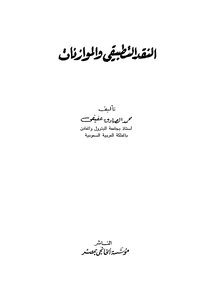
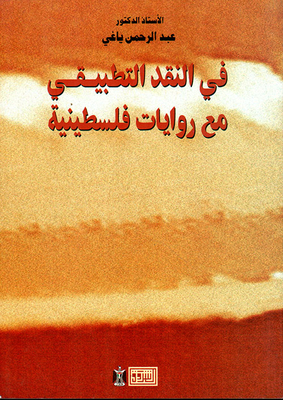
Other books like "Principles Of Applied Criticism"





Other books for "Emad AlKhatib"


If there is a problem with the book, please report through one of the following links:
Report the book or by Contact us
E-books are complementary and supportive of paper books and never cancel it. With the click of a button, the e-book reaches anyone, anywhere in the world.
E-books may weaken your eyesight due to the glare of the screen. Support the book publisher by purchasing his original paper book. If you can access it and get it, do not hesitate to buy it.
Publish your book now for free