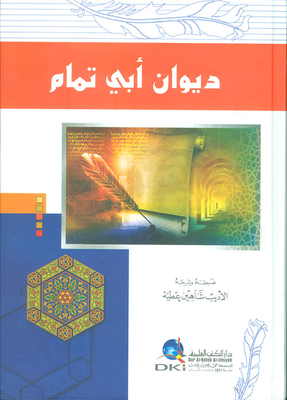
Explanation Of Abi Tammam's Diwan 1/2

Account upgrade
The download is free, but we offer some paid services. Support us by subscribing
Delete ads and speed up browsing the library.
The download starts with the click of a button without waiting for the book to be ready.
No limits for download times.
You can upload unlimited books in the library.
Enable readers to download your books without waiting.
Delete ads on the books that you publish.
No problems with download links for your uploaded books.
Book Explanation Of Abi Tammam S Diwan 1 2
Copyright reserved
The book cannot be previewed or downloaded in order to preserve the copyright of the author and publishing house
Not available digitally or on paper through the Noor Library, it is for rating and review



Explanation Of Abi Tammam's Diwan 1/2
| Author: | Abi Tammam |
| Category: | Commander Of The Faithful, Ali Bin Abi Talib [Edit] |
| Language: | Arabic |
| Publisher: | دار الكتاب العربي السلسلة: شعراؤونا |
| ISBN: | 9953271968 |
| Release Date: | 11 Jan 2003 |
| Pages: | 552 |
| Rank: | 328,629 No 1 most popular |
| Short link: | Copy |
| More books like this book | |
Book Description
جاء شعر أبي تمّام على غير ما الف العرب آنذاك، إذ جاء بعيد المعاني، غريب الإستعارات، مليئاً بالطباق والجناس، فتعثَّرتْ به الأفهام والأقلام، وكَثُر فيه التأويل، وخاصَّةً بعد أن وقع نُسّاخ ديوانه في الكثير من أخطاء التصحيف والتحريف.
وكان أبو تمّام رأساً لمذهب جديد في الشعر العربيّ، فاختلف فيه الأدباء بين متعصِّب له ومتعصِّب عليه، وكان لهذه الخصومة أثرها في تناول شعره والنظر إليه، إذ خَلَّقت من ورائه ثروة أدبيَّة قيِّمة تمثّلت في الشروحات الكثيرة لشعره، والكتب النفيسة في نقده.
وأوّل من جمع شعر أبي تمام وشرحه مرتِّباً إيّاه على الحروف هو أبو بكر الصوليّ (ت 355هـ)، ثمّ جمعه من جديد علي بن حمزة الأصفهاني (ت 375هـ) مرتِّباً إيّاه على الأنواع، لا على الحروف، ثمّ تتالت الشروحات لشعره، ومنها شرح الخطيب التبريزيّ (502هـ).
وهو أبو زكريا يحيى بن علي بن محمد الشيباني التبريزيّ (421هـ/ 1030م - 502هـ/ 1109م) من أئمَّة اللغة والأدب، ولم يكن الشرّاح العرب في أول عهدهم بشرح الدواوين الشعريَّة يقفون عند كلّ بيت لشرحه، وإنّما كانوا ينشدون القصيدة أو المقطوعة الشِّعريَّة جُملةً، ثمَّ يعودون إلى بعض أبياتها بالتعليق، وروي أنَّ الأخفش (ت 215هـ) هو أوَّل من فسَّر الشعر تحت كل بيت، وما كان الناس يعرفون ذلك قبله.
ويبدو أنَّ الخطيب التبريزيّ كان يُفضِّل الطريقة الأولى، أي تلك التي تعتمد على إنشاد الشعر جملة، ثمّ الرجوع، بعد ذلك، إلى ما فيه من لغة، أو نحو، أو غير ذلك، لكنَّ تلامذته أبوا عليه ذلك، فاضطرّ إلى إتّباع طريقة الأخفش.
وكانت شروح التبريزي تتَّصف بسمة النقل عن غيره، إذ كانت طريقته في الشرح تعتمد على ذكْر البيت، ثمَّ ذكْر قول بعض المتقدمين فيه، ثمّ يُكمل الشرح من عنده حيناً، أو يقتصر على ما قال غيره حيناً آخر، وهو، في شرحه لديوان أبي تمّام اعتمد إعتماداً كبيراً على من ذكرهم في مقدّمته مشيراً إلى ما ينقله عنهم حيناً، ومغفلاً هذه الإشارة حيناً آخر، وقد ذكر في آخر شرحه أسماء من اعتمد عليهم.

Copyright reserved
The book cannot be previewed or downloaded in order to preserve the copyright of the author and publishing house
Not available digitally or on paper through the Noor Library, it is for rating and review
Share the book :
Book Review "Explanation Of Abi Tammam's Diwan 1/2"

Book Quotes "Explanation Of Abi Tammam's Diwan 1/2"

Other books like "Explanation Of Abi Tammam's Diwan 1/2"



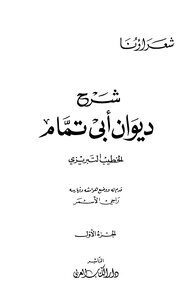



Other books for "Abi Tammam"



If there is a problem with the book, please report through one of the following links:
Report the book or by Contact us
E-books are complementary and supportive of paper books and never cancel it. With the click of a button, the e-book reaches anyone, anywhere in the world.
E-books may weaken your eyesight due to the glare of the screen. Support the book publisher by purchasing his original paper book. If you can access it and get it, do not hesitate to buy it.
Publish your book now for free