Leadership Theory In Islam

Account upgrade
The download is free, but we offer some paid services. Support us by subscribing
Delete ads and speed up browsing the library.
The download starts with the click of a button without waiting for the book to be ready.
No limits for download times.
You can upload unlimited books in the library.
Enable readers to download your books without waiting.
Delete ads on the books that you publish.
No problems with download links for your uploaded books.
Book Leadership Theory In Islam
Copyright reserved
The book cannot be previewed or downloaded in order to preserve the copyright of the author and publishing house
Not available digitally or on paper through the Noor Library, it is for rating and review



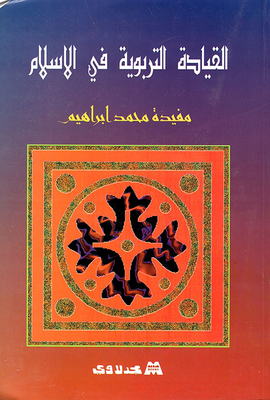
Leadership Theory In Islam
| Author: | Ali Bou Salman |
| Category: | Computing Theory [Edit] |
| Language: | Arabic |
| Publisher: | دار العلم للطباعة والنشر والتوزيع السلسلة: عالم الفلسفة والعرفان |
| Release Date: | 01 Oct 2002 |
| Pages: | 240 |
| Rank: | 354,816 No 1 most popular |
| Short link: | Copy |
| More books like this book | |
Book Description
يأتي الكتاب في سلسلة عالم الفلسفة والعرفان، وهي سلسلة تلقي الضوء على مجموعة من المواضيع والمباحث في عالم الفلسفة والبرهان، وهي محاولة لإعادة هذه الروح على أن تثمر ما هو جديد من العلوم القديمة أو الحديثة، وفي هذا الكتاب بحث حول نظرية القيادة في الإسلام، ويعتبر هذا البحث من الموضوعات الأساسية المندرجة في صلب الأطروحات السماوية التي لا تستمر ذات سيادة بدون نظرية في القيادة، لأن الأنبياء عليهم السلام كما بعثوا كعلل معدة لإعداج القابل، الناس، لقبول وحي الرسالات السماوية، بعثوا لقيادة المجتمعات البشرية وتأطيرها بإطار الشرائع السماوية وتشريعاتها القانونية، ولكن هل تقف القيادة عند النبي وشريعته فحسب أم يكون لها امتداد طبيعي غير قسري؟ وهذا السؤال يفتح بدوره المجال لطرح تساؤلات أخرى وهي: هل تحتوي الشريعة الإسلامة على نظرية في القيادة تعمل على تحريك الجماعات، والأحزاب والمؤسسات بشخص القائد أم نها اقتصرت على الجانب العقائدي والأخلاقي وأهملت القيادة وتركتها لمستجدات الأحداث. وفي محاولة للبحث عن إجابة عن هذه التساؤلات تأتي الدراسة في هذا الكتاب في إطار نظرية القيادة في الإسلام.
وقد سعى الباحث لبيان مؤسسي هذه النظرية وكيفية تأسيسها، وسمات القائد وصفاته التي ينبغي أن يتمتع بها، والدليل الذي يؤيد هذه النظرية وفلسفتها، وعن كونها واحدة في دين الله حيث ينطبق عليها قاعدة "الواحد لا يصدر عنه إلا واحد" أم لا. قسم المؤلف دراسته هذه إلى خمسة فصول: الأول وهو بعنوان مع النبي محمد (صلى الله عليه وسلم) ويتكلم عن النبوة وسبب وجودها، حيث تم الكلام عن النبي محمد (صلى الله عليه وسلم) من حيث بعثته، ودعوته، والأعمال التي صدرت عنه إلى حين وفاته. الفصل الثاني: تم فيه البحث في نظرية القيادة في الشريعة الإسلامية، وأما الفصل الثالث نقد دار حول اتجاه النص، وفيه قام المؤلف بمقارنة نظرية العقد الاجتماعي والاختيار بنظرية النص في الامامة. وتم في الفصل الرابع طرح فكرة القيادة بين السمات والتجدد. وفي الفصل الخامس تمت مطالعة نظرية القيادة لدى الشيعة الاثنا عشرية من الدليل.

Copyright reserved
The book cannot be previewed or downloaded in order to preserve the copyright of the author and publishing house
Not available digitally or on paper through the Noor Library, it is for rating and review
Share the book :
Book Review "Leadership Theory In Islam"

Book Quotes "Leadership Theory In Islam"

Other books like "Leadership Theory In Islam"











Other books for "Ali Bou Salman"


If there is a problem with the book, please report through one of the following links:
Report the book or by Contact us
E-books are complementary and supportive of paper books and never cancel it. With the click of a button, the e-book reaches anyone, anywhere in the world.
E-books may weaken your eyesight due to the glare of the screen. Support the book publisher by purchasing his original paper book. If you can access it and get it, do not hesitate to buy it.
Publish your book now for free