History Of Akkar - Administrative - Social And Economic (1700 - 1914)

Account upgrade
The download is free, but we offer some paid services. Support us by subscribing
Delete ads and speed up browsing the library.
The download starts with the click of a button without waiting for the book to be ready.
No limits for download times.
You can upload unlimited books in the library.
Enable readers to download your books without waiting.
Delete ads on the books that you publish.
No problems with download links for your uploaded books.
Book History Of Akkar Administrative Social And Economic 1700 1914
Copyright reserved
The book cannot be previewed or downloaded in order to preserve the copyright of the author and publishing house
Not available digitally or on paper through the Noor Library, it is for rating and review

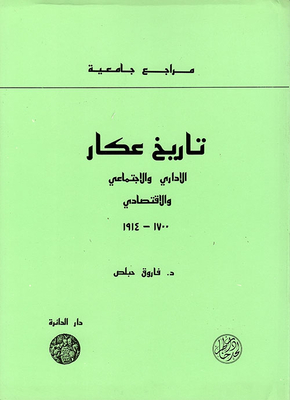

History Of Akkar - Administrative - Social And Economic (1700 - 1914)
| Author: | Faruq Hablas |
| Category: | Administrative Regulation [Edit] |
| Language: | Arabic |
| Publisher: | دار لحد خاطر |
| Release Date: | 01 Jan 1987 |
| Pages: | 455 |
| Rank: | 628,667 No 1 most popular |
| Short link: | Copy |
| More books like this book | |
Book Description
لا تزال كتابة تاريخ لبنان الحديث، تقتصر بمعظمها على تاريخه السياسي وسرد قصص الأمراء اللبنانيين، أمّا الدراسات التي تتناول تارخيه الإجتماعي والإقتصادي، فهي قليلة نادرة، وهي لم تظهر إلاّ في السنوات الأخيرة الماضية، لأن مصادر مثل هذا التاريخ لم تكن في متناول الجميع، ولم تخضع بعد للتحليل النقدي الصحيح.
ويعتبر موقع عكار الجغرافي، وأهميتها الإقتصادية بالإضافة إلى أوضاعها الإجتماعية، ونظم الإدارة العثمانية فيها، عناصر فعالة في تاريخها الحديث والمعاصر، فحرص الدولة العثمانية على توليتها لعائلات موالية لها وعزل من أحست فيه القوة والتمرد (ولَّت الدولة العثمانية على عكار بني سيفا ثم آل حماده ثم آل المرعبي)، ليسا إلا نتيجة لثرواتها الإقتصادية وموقعها الجغرافي المميَّز كبوابة طبيعية لعبور الجيوش العثمانية إلى الساحل اللبناني، وممر تجاري بين طرابلس والداخل السوري.
هذان العاملان جعلاها أيضاً موطناً لعناصر بشرية، وفدت إليها من المناطق المجاورة وبخاصة من جبل لبنان، وأحدثت فيها تغيراً ديموغرافياً ملحوظاً، أسهم في خلق تطورات إجتماعية هامة، ساهمت بالإضافة إلى العوامل الجغرافية والإقتصادية والأوضاع العامة في المنطقة في ظهور توجهات سياسية معينة أدّت إلى إلحاق عكار بدولة لبنان الكبير عام 1920.
وقد قسَّمت الدراسة إلى بابين، الباب الأول في الإدارة العثمانية في عكار، وقد تضمن ثلاثة فصول: واحد في الإدارة المدنية وآخر للإدارة المالية والثالث في القضاء، أما الباب الثاني فقد قسم إلى قسمين: قسم في الإقتصاد جاء في فصول منوعة، الأول في الزراعة، والثاني في الملكية الزراعية وتطورها، والثالث في إستثمار الأرض، والرابع في النشاطات الإقتصادية الأخرى، وأفرد أخيراً فصلاً خاصاً لمميّزات الإقتصاد عامّة في عكار.
والقسم الثاني يضمّ الفصول التالية: فصلاً في التمركز السكاني والقرية والمسكن وفصلاً في أصول السكان، وآخر في عدد السكان وتوزيعهم الطائفي، وآخر في التركيب الفئوي للمجتمع في عكار والعائلة، وآخر للأوضاع الثقافية والتقاليد الإجتماعية.

Copyright reserved
The book cannot be previewed or downloaded in order to preserve the copyright of the author and publishing house
Not available digitally or on paper through the Noor Library, it is for rating and review
Share the book :
Book Review "History Of Akkar - Administrative - Social And Economic (1700 - 1914)"

Book Quotes "History Of Akkar - Administrative - Social And Economic (1700 - 1914)"

Other books like "History Of Akkar - Administrative - Social And Economic (1700 - 1914)"








Other books for "Faruq Hablas"

If there is a problem with the book, please report through one of the following links:
Report the book or by Contact us
E-books are complementary and supportive of paper books and never cancel it. With the click of a button, the e-book reaches anyone, anywhere in the world.
E-books may weaken your eyesight due to the glare of the screen. Support the book publisher by purchasing his original paper book. If you can access it and get it, do not hesitate to buy it.
Publish your book now for free