Censorship With Its Different Faces And Masks

Account upgrade
The download is free, but we offer some paid services. Support us by subscribing
Delete ads and speed up browsing the library.
The download starts with the click of a button without waiting for the book to be ready.
No limits for download times.
You can upload unlimited books in the library.
Enable readers to download your books without waiting.
Delete ads on the books that you publish.
No problems with download links for your uploaded books.
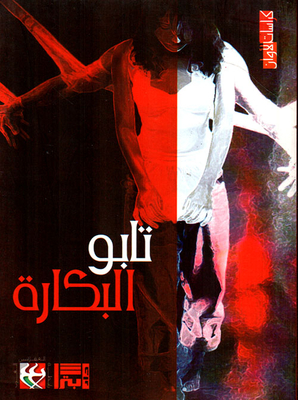
Book Censorship With Its Different Faces And Masks
Copyright reserved
The book cannot be previewed or downloaded in order to preserve the copyright of the author and publishing house
Not available digitally or on paper through the Noor Library, it is for rating and review


Censorship With Its Different Faces And Masks
| Author: | مجموعة من الباحثين والكتاب |
| Category: | Persuasion [Edit] |
| Language: | Arabic |
| Publisher: | بترا للطباعة والنشر والتوزيع السلسلة: كراسات الأوان |
| Release Date: | 27 Aug 2009 |
| Pages: | 192 |
| Rank: | 782,657 No 1 most popular |
| Short link: | Copy |
| More books like this book | |
Book Description
كيف اشتغلت الرقابة وكيف تشتغل، باعتبارها قوة مصادرة أو طمس أو حجب أو تعمية؟ وما حدود اشتغالها مستقبلا، في ضوء تطور الوسائط المعلوماتية والسمعية البصرية؟ ما هي الهيئات والقوى المختلفة التي تقوم بها اليوم؟ ما هي آلياتها؟ وما مواضيعها المفضلة؟ وأي أقنعة متجددة ترتديها؟ وباسم أي المبادئ تتم؟ وإلى أي حد تكون هذه المبادئ مبهمة فضفاضة أو واضحة محددة؟
هل خففت شبكة الأنترنت من وطأة المصادرة في البلدان العربية؟ وهل تطورت القوانين العربية المتعلقة بالنشر، بنوعيه الورقي والالكتروني؟ لنذكّر بأن حرية التعبير حق أساسي يقرّه الفصل 19 للإعلان العالمي لحقوق الإنسان، فهو ينص على أن «لكل شخص حق التمتع بحرية الرأي والتعبير، ويشمل هذا الحق حريته في اعتناق الآراء دون مضايقة، وفي التماس الأنباء والأفكار وتلقيها ونقلها إلى الآخرين، بأية وسيلة ودونما اعتبار للحدود».
أيّ شوط قطعته البلدان العربية على اختلافها في قبول هذا الحق الأساسي وتفعيله، وفي التوفيق بين قوانينها وسياساتها التنفيذية ودساتيرها التي تنص -إن وجدت- على حرية التعبير؟
ثم هل يمكن أن يتم إنتاج فكري دون رقابة ذاتية ما؟ ما هي حدود حرية التعبير، وهل يمكن أن نقول ونكتب كل شيء؟ أليس المسّ بحرمة الحياة الشخصية والتمييز العنصري والجنسي والتحريض على العنف من المحاذير التي فرضتها فلسفة حقوق الإنسان في هذا المجال؟
ولكن ما علاقة هذه المحاذير بالثوابت والمقدسات التي تضعها المنظومات التقليدية حدودا لحرية التعبير؟ ما معنى «المسّ بالشعور الديني»، وهل يقف عائقا دون حرية المعتقد وحرية عدم الإيمان بالمسلّمات الدينية؟ هل يمكن أن نتحدث عن الحياة الشخصية لنوع خاص من الموتى، قُدّمت حياتهم على أنها نموذج يحتذى، كما هو الحال بالنسبة إلى الأنبياء وخاصة نبي الإسلام؟ ومن ناحية أخرى، هل يمكن اعتبار التشكيك في الوقائع التاريخية والمجازر خطاً أحمر لا يمكن تخطيه، كما هو الحال بالنسبة إلى المحرقة والإبادة الجماعية التي تعرّض لها اليهود في عهد النازية؟ وكيف ينتج كل عصر مقدساته التي لا يجوز المسّ بها، وما الفارق بين المقدسات «الدنيوية» الحديثة المستلهمة من مبادئ حقوق الإنسان والمقدسات الدينية التقليدية؟
الرقابة تعمل عادة في صمت، وتحب الصمت، وتنشر الصمت؛ ولا تضيق بشيء ضيقها بالحديث عنها. ولذلك فمن المهم أن نتحدث عنها. فربما يساعدنا ذلك على توسيع دائرة ممكنِ القول والتعبير…
هذا ما دفعنا إلى طرح هذه الأسئلة وفتح هذا الملف.

Copyright reserved
The book cannot be previewed or downloaded in order to preserve the copyright of the author and publishing house
Not available digitally or on paper through the Noor Library, it is for rating and review
Share the book :
Book Review "Censorship With Its Different Faces And Masks"

Book Quotes "Censorship With Its Different Faces And Masks"
Other books like "Censorship With Its Different Faces And Masks"


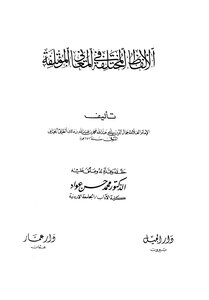


Other books for "مجموعة من الباحثين والكتاب"


If there is a problem with the book, please report through one of the following links:
Report the book or by Contact us
E-books are complementary and supportive of paper books and never cancel it. With the click of a button, the e-book reaches anyone, anywhere in the world.
E-books may weaken your eyesight due to the glare of the screen. Support the book publisher by purchasing his original paper book. If you can access it and get it, do not hesitate to buy it.
Publish your book now for free