The Gardens Of Sorrows - Iran And Wilayat Al-Faqih

Account upgrade
The download is free, but we offer some paid services. Support us by subscribing
Delete ads and speed up browsing the library.
The download starts with the click of a button without waiting for the book to be ready.
No limits for download times.
You can upload unlimited books in the library.
Enable readers to download your books without waiting.
Delete ads on the books that you publish.
No problems with download links for your uploaded books.
Book The Gardens Of Sorrows Iran And Wilayat Al Faqih
Copyright reserved
The book cannot be previewed or downloaded in order to preserve the copyright of the author and publishing house
Not available digitally or on paper through the Noor Library, it is for rating and review

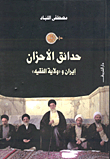

The Gardens Of Sorrows - Iran And Wilayat Al-Faqih
| Author: | Mustafa AlLabban |
| Category: | Ornamental Plants And Landscaping [Edit] |
| Language: | Arabic |
| Publisher: | دار الشروق |
| Release Date: | 01 Jan 2007 |
| Pages: | 319 |
| Rank: | 282,475 No 1 most popular |
| Short link: | Copy |
| More books like this book | |
Book Description
كيف نفهم السياسة الإيرانية؟ وكيف استطاعت نظرية «ولاية الفقيه» أن تحكم إيران بذات الشعارات والمضامين دون تغيير منذ أكثر من ربع قرن. يرى المؤلف فى هذا الكتاب الهام أنه لا يمكن للمرء فهم السياسة الإيرانية الحالية دون الإلمام بالجوانب المتعددة لهذه النظرية. ما هو أساسها التاريخى والعقائدى والفكرى؟ ما هو موقعها من التراث الشيعى التقليدى؟ كيف استطاعت تحييد التيارات السياسية الأخرى والوصول للحكم؟ ما التأثير الذى تركه التيار الإصلاحى فى توازنات إيران السياسية والاجتماعية؟ هل يمكن تخطى التناقضات البنيوية فى مفهوم «الجمهورية الإسلامية»؟ وماذا يخبئ المستقبل لإيران من تحديات؟ قضى الدكتور مصطفى اللبّاد ثلاث سنوات فى الإعداد لهذا الكتاب المرجعى محاولا البحث عن إجابات لهذه الأسئلة. وهو حائز على دكتوراه الدولة الألمانية فى الاقتصاد السياسى لمنطقة الشرق الأوسط، وأصدر فى القاهرة مجلة «شرق نامه» المتخصصة فى شؤون إيران وتركيا وآسيا الوسطى، الوحيدة عربيا فى تناول هذه المنطقة ككل متكامل. وبفضل دراساته المتعمقة وإلمامه باللغة الفارسية وزياراته المتعددة لإيران؛ فضلاً عن مشاركاته المتميزة فى المؤتمرات الدولية ووسائل الإعلام، فقد صار أحد عناوين التخصص فى الشؤون الإيرانية بمصر والعالم العربى.
ماهى نظرية " ولاية الفقية" التى ملأت الدنيا وشغلت الناس؟ ما أساسها العقائدى والفكرى؟ كيف وصلت إلى الحكم؟ كيف استطعات النظرية تحييد التيارات السياسية الأخرى فى إيران مثل الليبراليين والقوميين والماركسيين؟ كيف انتقلت السلطة من الإمام الخمينى مؤسسى " جمهورية إيران الإسلامية" إلى السيد خامنئى؟ ما الأسس الفكرية لخطاب الرئيس السابق محمد خاتمى؟ وما حجم التأثير الذى تركه التيار الإسلاحى فى التوازنات السياسية والاجتماعية فى إيران؟ هل يمكن تجسير التناقضات البنيوية فى مفهوم " الجمهورية الإسلامية"؟ وماذا يخبئ المستقبل لإيران من تحديات؟ هذه الأسئلة وغيرها كثيرا ما تراود القارئ العربى ولا يجد لها إجابات شافيه. وبالرغم من مرور ربع قرن على تأسس " جمهورية إيران الإسلامية" على أساس نظرية " ولاية الفقية" وحضور السياسة الإيرانية فى المنطقة بشكل يومى ومتداخل، فمازالت هذه النظرية بجوانبها التاريخية والعقائدية والسياسية ، تمثل لغزا لدى كثيرين فى عالمان العربى والإسلامى.

Copyright reserved
The book cannot be previewed or downloaded in order to preserve the copyright of the author and publishing house
Not available digitally or on paper through the Noor Library, it is for rating and review
Share the book :
Book Review "The Gardens Of Sorrows - Iran And Wilayat Al-Faqih"

Book Quotes "The Gardens Of Sorrows - Iran And Wilayat Al-Faqih"

Other books like "The Gardens Of Sorrows - Iran And Wilayat Al-Faqih"






If there is a problem with the book, please report through one of the following links:
Report the book or by Contact us
E-books are complementary and supportive of paper books and never cancel it. With the click of a button, the e-book reaches anyone, anywhere in the world.
E-books may weaken your eyesight due to the glare of the screen. Support the book publisher by purchasing his original paper book. If you can access it and get it, do not hesitate to buy it.
Publish your book now for free