International Justice Court

Account upgrade
The download is free, but we offer some paid services. Support us by subscribing
Delete ads and speed up browsing the library.
The download starts with the click of a button without waiting for the book to be ready.
No limits for download times.
You can upload unlimited books in the library.
Enable readers to download your books without waiting.
Delete ads on the books that you publish.
No problems with download links for your uploaded books.
Book International Justice Court
Copyright reserved
The book cannot be previewed or downloaded in order to preserve the copyright of the author and publishing house
Not available digitally or on paper through the Noor Library, it is for rating and review

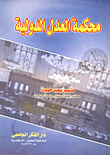

International Justice Court
| Author: | Muntasir Saeed HAMMUDAH |
| Category: | Political Parties [Edit] |
| Language: | Arabic |
| Publisher: | دار الفكر الجامعي |
| ISBN: | 9789773791583 |
| Release Date: | 29 Feb 2012 |
| Pages: | 383 |
| Rank: | 271,544 No 1 most popular |
| Short link: | Copy |
| More books like this book | |
Book Description
كان دائماً العدل الدولي غاية وهدفاً منشوداً منذ نشأة الدول وتعددها حيث كانت لغة الحرب هي اللغة السائدة، والمفهومة، والمتبادلة بين هذه الدول، ولما كانت الدول قد يأست وملت من هذه الحروب في حل وحسم الخلافات الدولية، وخاصة بعد تقدمها، والرغبة في الحفاظ على مظاهر هذا التقدم وثمراته لصالح شعوبها، بدأت هذه الدول في البحث عن بديل للحروب والصراعات المسلحة لحسم وحل النزاعات التي تثور بينها، فبدا ما يعرف بالتحكيم الدولي، الذي أخذ صورة المحكم الفرد (رئيس دولة- ملك- امبراطور- ... إلخ) الذي كان يعرض عليه النزاع الدولي، ويحكم فيه وفق ما يراه هذا المحكم المفرد.
وعند بداية عصر التنظيم الدولي، وظهور الإتفاقيات الدولية ذات الصلة بالحروب والنزاعات الدولية وكيفية حلها، بدأت الدول تبحث عن آليات دائمة دولية يكون مجال عملها الرئيسي هو حل هذه الخلافات القانونية الدولية، فعرفت وأنشئت المحكمة الدائمة للتحكيم الدولي، وبناء على ما تقدم، فإننا سنتناول هذا الكتاب من خلال بابيبن رئيسيين وهما: الباب الأول: الطرق القضائية لحل النزاعات الدولية وفي هذا الباب سنعرض-بإذن الله تعالى- للتحكيم الدولي وصوره المختلفة وللمحكمة الدائمة للعدل الدولي باعتبارها للسلف الشرعي لمحكمة العدل الدولية. ومن خلال هذا الباب الأول، سنعرض أيضاً، للمحاكم الدولية السابقة على ظهور محكمة العدل الدولية، الدائمة والمؤقتة، العسكرية، والجنائية، التي أرست قواعد العدل الدولي. الباب الثاني: محكمة العدل الدولية. ومن خلال هذا الباب نعرض للقضاة وكيفية اختيارهم، وحقوقهم، وامتيازاتهم، وواجباتهم، وكيفية رفع الدعوى، وكيفية إدارة الجلسات، والحكم، وطرق الطعن فيه، وكيفية غصدار الفتاوى من محكمة العدل الدولية، وأثر الفتوى، وهل هي ملزمة أم استشارية فقط؟ وموقف الدول والوكالات التابعة للأمم المتحدة والجمعية العامة منها؟ وسوف نختم الدراسة- بإذن الله تعالى- بخاتمة نعرض خلالها بعض التوصيات.

Copyright reserved
The book cannot be previewed or downloaded in order to preserve the copyright of the author and publishing house
Not available digitally or on paper through the Noor Library, it is for rating and review
Share the book :
Book Review "International Justice Court"

Book Quotes "International Justice Court"

Other books like "International Justice Court"






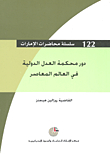
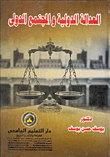
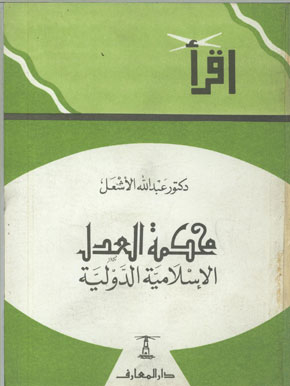
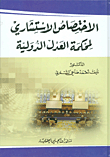
Other books for "Muntasir Saeed HAMMUDAH"

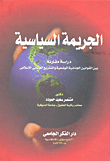


If there is a problem with the book, please report through one of the following links:
Report the book or by Contact us
E-books are complementary and supportive of paper books and never cancel it. With the click of a button, the e-book reaches anyone, anywhere in the world.
E-books may weaken your eyesight due to the glare of the screen. Support the book publisher by purchasing his original paper book. If you can access it and get it, do not hesitate to buy it.
Publish your book now for free