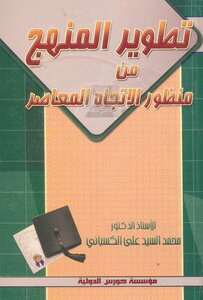
Curriculum Development From The Perspective Of The Contemporary Trend

Account upgrade
The download is free, but we offer some paid services. Support us by subscribing
Delete ads and speed up browsing the library.
The download starts with the click of a button without waiting for the book to be ready.
No limits for download times.
You can upload unlimited books in the library.
Enable readers to download your books without waiting.
Delete ads on the books that you publish.
No problems with download links for your uploaded books.
Book Curriculum Development From The Perspective Of The Contemporary Trend
Copyright reserved
The book cannot be previewed or downloaded in order to preserve the copyright of the author and publishing house
Not available digitally or on paper through the Noor Library, it is for rating and review



Curriculum Development From The Perspective Of The Contemporary Trend
| Author: | محمد السيد علي الكسباني |
| Category: | Methodology [Edit] |
| Language: | Arabic |
| Publisher: | مؤسسة حورس الدولية للنشر والتوزيع |
| ISBN: | 9789773683009 |
| Release Date: | 01 Jan 2010 |
| Pages: | 480 |
| Rank: | 391,988 No 1 most popular |
| Short link: | Copy |
| More books like this book | |
Book Description
منذ سبعة أعوام صدر للمؤلف كتاب بعنوان "تطوير المناهج الدراسية من منظور هندسة المنهج".
وفي ظل طوفان المعلومات، والتغير المتلاحق، ونمو المعرفة بمعدلات سريعة، والذي نتج عن الثورة المعلوماتية التي نعيشها الآن، أصبح العالم يعيش ثورة عظيمة وتكنولوجية كبيرة، كان لها تأثير على مختلف جوانب الحياة، وأصبح التعليم مطالباً بالبحث عن أساليب ونماذج تعليمية جديدة لمواجهة العديد من التحديات على المستوى العالمي منها زيادة الطلب على التعليم مع نقص عدد المؤسسات التعليمية، وزيادة كم المعلومات في جميع فروع المعرفة المختلفة، فضلاً عن ضرورة الاستفادة من التطورات التكنولوجية في مجال التربية والتعليم. ونتيجة ذلك ظهر نموذج التعليم الالكتروني.
من أجل هذا تم تعديل عنوان الكتاب ليصبح "تطوير المنهج من منظور الاتجاه المعاصر الذي يرتكز على ثلاث دعامات رئيسة هي: أسلوب النظم، ومنظومة هندسة المنهج، ومنظومة تكنولوجيا التعليم الإلكتروني وفيه بعض الإضافات والتعديلات.
ويشتمل الكتاب على قسمين؛ القسم الأول يتناول المتطلبات والمسئوليات اللازمة للتطوير المنهجي، ويشمل ثلاثة فصول؛ الفصل الأول: يعرض ماهية تطوير المنهج، ويتناول الفصل الثاني: نظريات المنهج ونماذجه، ويتناول الفصل الثالث: إجراء تطوير المنهج، أما القسم الثاني فيتناول استراتيجية التطوير المنهجي، ويشمل ستة فصول؛ حيث يعرض الفصل الرابع: تقويم المنهج المستهدف للتطوير، ويتناول الفصل الخامس: التخطيط للمنهج المطور، ويتناول الفصل السادس: تنفيذ المنهج المطور، ويتناول الفصل السابع: التعليم الإلكتروني، ويتناول الفصل الثامن: تقويم المنهج المطور، في حين يتناول الفصل التاسع مثالا تطبيقياً لتطوير "علم المناهج" وفقاً لأنموذج هندسة المنهج، وكذلك تنظيم محتوى الكتاب المدرسي من منظور التعليم الإلكتروني.

Copyright reserved
The book cannot be previewed or downloaded in order to preserve the copyright of the author and publishing house
Not available digitally or on paper through the Noor Library, it is for rating and review
Share the book :
Book Review "Curriculum Development From The Perspective Of The Contemporary Trend"

Book Quotes "Curriculum Development From The Perspective Of The Contemporary Trend"

Other books like "Curriculum Development From The Perspective Of The Contemporary Trend"






Other books for "محمد السيد علي الكسباني"




If there is a problem with the book, please report through one of the following links:
Report the book or by Contact us
E-books are complementary and supportive of paper books and never cancel it. With the click of a button, the e-book reaches anyone, anywhere in the world.
E-books may weaken your eyesight due to the glare of the screen. Support the book publisher by purchasing his original paper book. If you can access it and get it, do not hesitate to buy it.
Publish your book now for free