Bury Me Standing - The Gypsies And Their Journey

Account upgrade
The download is free, but we offer some paid services. Support us by subscribing
Delete ads and speed up browsing the library.
The download starts with the click of a button without waiting for the book to be ready.
No limits for download times.
You can upload unlimited books in the library.
Enable readers to download your books without waiting.
Delete ads on the books that you publish.
No problems with download links for your uploaded books.
Book Bury Me Standing The Gypsies And Their Journey
Copyright reserved
The book cannot be previewed or downloaded in order to preserve the copyright of the author and publishing house
Not available digitally or on paper through the Noor Library, it is for rating and review



Bury Me Standing - The Gypsies And Their Journey
| Author: | إيزابيل فونسيكا |
| Category: | Travel Literature Translated [Edit] |
| Language: | Arabic |
| Publisher: | دار البلد |
| Release Date: | 01 Sep 2003 |
| Pages: | 356 |
| Rank: | 677,522 No 1 most popular |
| Short link: | Copy |
| More books like this book | |
Book Description
ظهر الغجر في أوروبا لأول مرة في القرن الرابع عشر وهم موزعون في كل أرجاء العالم، وأكثر من ثمانية ملايين منهم يعيشون ربما في أوروبا وخاصة أوروبا الشرقية ويمثلون أكبر الأقليات في القارة، وقد تمكن الغجر عبر قرون عديدة من مقاومة محاولات التذويب التي تعرضوا لها، والهجرة الأولى للغجر انطلقت من الهند إلى بلاد فارس إلى أرمينيا-ومن ثم عبر طريق متشعب إلى سوريا وإلى ما أصبح يعرف لاحقاً بالعراق من جهة وفي الاتجاه الآخر، اليونان البيزنطية، البلقان، باتجاه أوروبا الغربية والعالم الجديد من جهة أخرى.
وقد كان الأصل الهندي معروفا للباحثين منذ القرن الثامن عشر. والتكهنات الأولى التي قام بها الغرباء من غير الغجر عن الوطن الأصلي للغجر جاءت على شكل خرافات من الكتاب المقدس وجميعها قراءات تكشف انحياز الناظر فحسب فقيل أن الغجر هم الأحفاد الملعونون لقابيل حكم عليهم أن يهيموا في الأرض. ويعتقد معظم الدارسين أن الغجر غادروا الهند في القرن العاشر الميلادي كما أن الحكام العرب جلبوا عشرات الآلاف من الفلاحين الهنود من دلتا الأندلس عبر الضفاف السبخية لنهر دجلة ترفقهم آلاف القطعان من الثيران.
لكنهم لم يمكثوا طويلاً في الإمبراطورية العربية إذ تم ترحيلهم إلى الشمال الشرقي واتجه قسم منهم إلى أرمينيا ومنها إلى البلقان وأوروبا، وخلال وجودهم في البلقان شغل الغجر مكانة رفيعة في المجتمع وبسبب قدرتهم على التحرك بين طبقات منفصلة بشكل راديكالي، بين الملاكين والفلاحين وخدمة الاثنين معاً استطاعة أن يؤسسوا لأنفسهم قاعدة اقتصادية. إن إيزابيل فونسيكا تقدم هنا دراسة إنتربولوجية للغجر، تاريخهم وعاداتهم، تكشف فيها عن عوالم غامضة وخفية لمجموعات سكانية عانت الحرمان والفقر والجهل وتلقي الضوء على ما عانوه عبر العصور.

Copyright reserved
The book cannot be previewed or downloaded in order to preserve the copyright of the author and publishing house
Not available digitally or on paper through the Noor Library, it is for rating and review
Share the book :
Book Review "Bury Me Standing - The Gypsies And Their Journey"

Book Quotes "Bury Me Standing - The Gypsies And Their Journey"

Other books like "Bury Me Standing - The Gypsies And Their Journey"
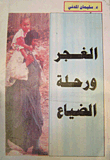



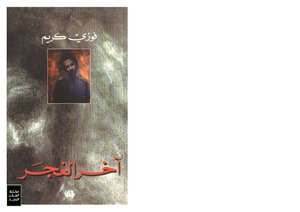





Other books for "إيزابيل فونسيكا"


If there is a problem with the book, please report through one of the following links:
Report the book or by Contact us
E-books are complementary and supportive of paper books and never cancel it. With the click of a button, the e-book reaches anyone, anywhere in the world.
E-books may weaken your eyesight due to the glare of the screen. Support the book publisher by purchasing his original paper book. If you can access it and get it, do not hesitate to buy it.
Publish your book now for free