German Foreign Policy Towards The Gulf Region

Account upgrade
The download is free, but we offer some paid services. Support us by subscribing
Delete ads and speed up browsing the library.
The download starts with the click of a button without waiting for the book to be ready.
No limits for download times.
You can upload unlimited books in the library.
Enable readers to download your books without waiting.
Delete ads on the books that you publish.
No problems with download links for your uploaded books.
Book German Foreign Policy Towards The Gulf Region
Copyright reserved
The book cannot be previewed or downloaded in order to preserve the copyright of the author and publishing house
Not available digitally or on paper through the Noor Library, it is for rating and review



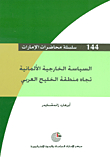
German Foreign Policy Towards The Gulf Region
| Author: | Eberhard Sandschneider |
| Category: | Foreign Policy [Edit] |
| Language: | English |
| Publisher: | مركز الإمارات للدراسات والبحوث السلسلة: EMIRATES LECTURE |
| ISBN: | 9789948143642 |
| Release Date: | 01 Jan 2010 |
| Pages: | 44 |
| Rank: | 705,230 No 1 most popular |
| Short link: | Copy |
| More books like this book | |
Book Description
In order to understand Germany’s foreign policy towards the Gulf Region it is necessary to keep in mind that among all of its major institutions, political parties and foreign policy actors there is a broad consensus on a set of parameters best defined within three imperatives: "never again" (referring to historical legacies, especially the Holocaust); "never alone" (referring to multilateral approaches predominantly within a European Union [EU] and transatlantic context); and "with peaceful means only" (referring to Germany’s role model as a civilian power). All major political actors agree that this is the basis of German foreign policy in any part of the world, and certainly in the most sensitive area of the Greater Middle East.
Furthermore, it is necessary to keep in mind that historical legacies – in particular German policies towards Israel – do play a predominant role and will probably continue to do so in the foreseeable future. In practical terms, however, there is no comprehensive policy towards the Greater Middle East. German foreign policy itself is divided into different approaches between the Maghreb, the Mashreq, and the Gulf region and it is, of course, implemented with the help of EU coordination whenever possible.
Widespread reluctance to develop initiatives and approaches beyond a European context allow for a simple characterization—Germany’s foreign policy towards the Greater Middle East is still dominated by economic interest and only in very rare aspects by security or strategic considerations. From a general perspective, its lack of a coordinated strategic approach characterizes one of the central weaknesses of Germany’s foreign policy, which has become increasingly global over the last few years and should concentrate on developing a strategy specifically adapted to the needs of the region. However, expectations that such a policy will be eventually implemented can hardly be based on optimism. Germany’s Gulf region policy will continue to be dominated by historical legacies; a clearly felt partnership with (in less positive words, ‘dependency on’) the United States; Germany’s consolidation in EU integration; and by a preoccupation with economic issues (the debate about Iran’s nuclear program being the only marked exception). This paper explores legacies and parameters of German and EU policies towards the Arabian Gulf region and discusses necessary changes in order to expand mutual cooperation.
لكي نفهم السياسة الخارجية الألمانية تجاه منطقة الخليج، من الضروري أن نضع نصب أعيننا أن هناك إجماعاً كبيراً لدى المؤسسات الرئيسية والأحزاب السياسية وكبار اللاعبين في السياسة الخارجية الألمانية على مجموعة من المعايير معروفة في إطار ثلاث قواعد قانونية هي: "عدم تكرار الحوادث ثانيةً" (إشارةً إلى الموروثات التاريخية، وخاصة الهولوكوست)؛ "عدم التصرف بشكل منفرد" (إشارة إلى المناهج المتعددة الأطراف السائدة داخل الاتحاد الأوربي والسياق العابر للأطلسي)؛ و"بالوسائل السلمية فقط" (بالإشارة إلى نموذج الدور الألماني بوصفه قوة مدنية). ويتفق جميع اللاعبين السياسيين الرئيسيين على أن ذلك هو أساس السياسة الخارجية الألمانية في أي جزء من العالم، وتحديداً في أكثر المناطق حساسية وهي الشرق الأوسط الكبير. علاوة على ذلك، من الأهمية بمكان أن نتذكر أن الموروثات التاريخية، ولاسيما السياسات الألمانية تجاه إسرائيل، تلعب دوراً مهماً وستستمر في فعل ذلك خلال المستقبل القريب. لكن من الناحية العملية ليست هناك سياسة شاملة إزاء منطقة الشرق الأوسط الكبير. فالسياسة الخارجية الألمانية نفسها منقسمة إلى مناهج متعددة بين المغرب والمشرق ومنطقة الخليج، لكن بالطبع يتم التعامل مع تلك الملفات بمساعدة وتنسيق من قبل الاتحاد الأوربي متى أمكن ذلك. إن الرفض العام لتطوير مبادرات ومناهج خارج السياق الأوربي يوضح بشكل مبسط أن السياسة الخارجية الألمانية تجاه الشرق الأوسط الكبير ما تزال تحكمها المصالح الاقتصادية، والاعتبارات الأمنية أو الاستراتيجية فقط في بعض الجوانب النادرة جداً. ومن منظور عام، فإن غياب المنهج الاستراتيجي المنسق يمثل إحدى نقاط الضعف الأساسية للسياسة الخارجية الألمانية، والتي أصبحت عالمية بشكل متزايد على مدار الأعوام القليلة الماضية، في حين ينبغي أن تركز على تطوير استراتيجية تتوافق، بخاصة، واحتياجات المنطقة. لكن التوقعات الخاصة بأن مثل هذه السياسة يمكن تنفيذها في النهاية لا يمكن أن تكون مبنية على التفاؤل. ستظل الموروثات التاريخية تسيطر على سياسة ألمانيا تجاه المنطقة؛ شراكة تبدو واضحة مع الولايات المتحدة (بكلمات أقل إيجابية الاعتماد عليها)؛ وتعزيز الدور الألماني في التكامل مع الاتحاد الأوربي؛ والاهتمام بالقضايا الاقتصادية (النقاش حول البرنامج النووي الإيراني هو الاستثناء الوحيد المعروف). من هنا جاءت هذه الورقة البحثية لتتناول هذه الموروثات والمعايير الخاصة بالسياسات الألمانية والاتحاد الأوربي إزاء منطقة الخليج العربي، وتناقش التغيرات المطلوبة من أجل زيادة التعاون المتبادل.

Copyright reserved
The book cannot be previewed or downloaded in order to preserve the copyright of the author and publishing house
Not available digitally or on paper through the Noor Library, it is for rating and review
Share the book :
Book Review "German Foreign Policy Towards The Gulf Region"

Book Quotes "German Foreign Policy Towards The Gulf Region"

Other books like "German Foreign Policy Towards The Gulf Region"











If there is a problem with the book, please report through one of the following links:
Report the book or by Contact us
E-books are complementary and supportive of paper books and never cancel it. With the click of a button, the e-book reaches anyone, anywhere in the world.
E-books may weaken your eyesight due to the glare of the screen. Support the book publisher by purchasing his original paper book. If you can access it and get it, do not hesitate to buy it.
Publish your book now for free