Schools And The Education System In The Levant In The Mamluk Era

Account upgrade
The download is free, but we offer some paid services. Support us by subscribing
Delete ads and speed up browsing the library.
The download starts with the click of a button without waiting for the book to be ready.
No limits for download times.
You can upload unlimited books in the library.
Enable readers to download your books without waiting.
Delete ads on the books that you publish.
No problems with download links for your uploaded books.
Book Schools And The Education System In The Levant In The Mamluk Era
Copyright reserved
The book cannot be previewed or downloaded in order to preserve the copyright of the author and publishing house
Not available digitally or on paper through the Noor Library, it is for rating and review

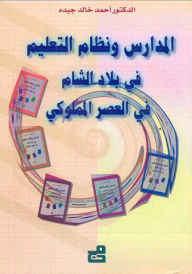

Schools And The Education System In The Levant In The Mamluk Era
| Author: | أحمد خالد جيده |
| Category: | Mamluk State [Edit] |
| Language: | Arabic |
| Publisher: | المؤسسة الجامعية للدراسات والنشر |
| Release Date: | 01 Jan 2002 |
| Pages: | 432 |
| Rank: | 463,415 No 1 most popular |
| Short link: | Copy |
| More books like this book | |
Book Description
كان لقيام الدولة المملوكية في مصر وبلاد الشام في العصور الوسطى أهمية خاصة من الناحية السياسية والاجتماعية والثقافية في الفترة الممتدة من سنة (1250-1517) أي زهاء ثلاثة قرون. والملفت للنظر أن حكام هذه الدولة وجيشها من الرقيق، وهو نظام لم يسبق له أن يقوم إلا في ظلال الإسلام.
هذه الدولة قامت في مصر امتداداً لنظم سابقة كالأيوبيين ثم عمّت أرجاء المشرق العربي. ونظراً لما لهذا العصر من أهمية قصوى عمد المؤلف "أحمد خالد جيده" إلى وضع هذه الدراسة التي تضم بحثاً شاملاً يتحدث عن طرق التعلم والتعليم في العصر المملوكي ويكشف عن طبيعة التربية العسكرية المميزة للمماليك الذين لم يعرفوا الهزيمة بخلال ثلاثة قرون تقريباً.
ويعتمد المؤلف في بحثه على مصادر تاريخية وحضارية وأدبية وجغرافية ودينية. واللافت في هذا البحث أن المؤلف قد انتهج فيه منهجاً تكاملياً يأخذ من محاسن المناهج جميعاً وخصوصاً المنهج التاريخي لتأصيل قضايا البحث. والمنهج الوصفي في عرض آراء المؤرخين والكتاب. والمنهج التحليلي في دراسة أسباب الظواهر التاريخية واستخلاص النتائج.
أما مواضيع هذه الدراسة فقد وزعت على مقدمة وثلاثة أبواب. الباب الأول: يتحدث عن ملامح العصر الأيوبي من خلال عرضه لأنواع المدارس واتجاهاتها الدينية في العصر المملوكي وتعريفه لمدارس بلاد الشام والمدارس الدنيوية فيها. وفي الباب الثاني: يتحدث عن المدرسين في المدارس المملوكية الدينية وعن المدرسين الدنيوين وطرق التدريس والتعليم فيها. أما الباب الثالث: فيتحدث عن دوار الأوقاف في التعليم بالعصر المملوكي وعن الداخلية في المدارس الشامية المملوكية. وتجدر الإشارة إلى أن المؤلف قد ألحق دراسته بالعديد من الخرائط والمخططات البيانية التي توضح التقسيمات الداخلية لبعض المدارس المنتشرة في ذلك الحين وأساليب العمارة الفنية المتبعة في بناء القناطر والأروقة الداخلية للمدارس.

Copyright reserved
The book cannot be previewed or downloaded in order to preserve the copyright of the author and publishing house
Not available digitally or on paper through the Noor Library, it is for rating and review
Share the book :
Book Review "Schools And The Education System In The Levant In The Mamluk Era"

Book Quotes "Schools And The Education System In The Levant In The Mamluk Era"

Other books like "Schools And The Education System In The Levant In The Mamluk Era"



If there is a problem with the book, please report through one of the following links:
Report the book or by Contact us
E-books are complementary and supportive of paper books and never cancel it. With the click of a button, the e-book reaches anyone, anywhere in the world.
E-books may weaken your eyesight due to the glare of the screen. Support the book publisher by purchasing his original paper book. If you can access it and get it, do not hesitate to buy it.
Publish your book now for free