The Basics Of Curriculum And Discourse In The Study And Interpretation Of The Qur’an

Account upgrade
The download is free, but we offer some paid services. Support us by subscribing
Delete ads and speed up browsing the library.
The download starts with the click of a button without waiting for the book to be ready.
No limits for download times.
You can upload unlimited books in the library.
Enable readers to download your books without waiting.
Delete ads on the books that you publish.
No problems with download links for your uploaded books.
Book The Basics Of Curriculum And Discourse In The Study And Interpretation Of The Qur An
Copyright reserved
The book cannot be previewed or downloaded in order to preserve the copyright of the author and publishing house
Not available digitally or on paper through the Noor Library, it is for rating and review

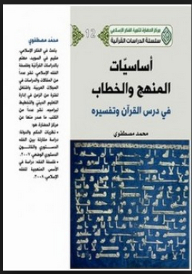

The Basics Of Curriculum And Discourse In The Study And Interpretation Of The Qur’an
| Author: | Muhammad Mustafa |
| Category: | Interpretation Of The Koran [Edit] |
| Language: | Arabic |
| Publisher: | مركز الحضارة لتنمية الفكر الإسلامي السلسلة: الدراسات القرآنية |
| ISBN: | 9786144271056 |
| Release Date: | 31 Dec 2009 |
| Pages: | 357 |
| Rank: | 431,291 No 1 most popular |
| Short link: | Copy |
| More books like this book | |
Book Description
يبقى القرآن الكريم مصدراً أساساً للفكر الإسلامي، سواء على مستوى القواعد والأسس أم في مجال التفاصيل والجزئيّات التي كان لهذا الكتاب الخالد موقفٌ منها. والقرآن كأيّ كتاب آخر يحتاج التواصل معه إلى المرور عبر قناة تواصل إجباريّة لا بدّ من المرور بها، والنظر من خلالها. وهذه القناة هي ما عُرِف بالتفسير، وما تحوّل إلى علم له أصوله وقواعده ومناهجه التي على ضوئها يتمّ استنطاق القرآن الكريم وجلاء مراداته، ونقل رسائله التي يريد الله إيصالها إلى البشر. ومن هنا، فليس من المبالغة في شيء القول: "إن التفسير هو المنهج".
نعم إنّ التفسير هو المنهج، وقد بدأ المسلمون محاولةً فهم كتاب الله بواسطة ما نُقِل عن الرسول الأكرم صلى الله عليه وسلم، ثم من لحقه من الأئمّة والصحابة والتابعين؛ ومع تطوّر الحياة الفكريّة والعقليّة في الإجتماع الإسلامي، وُلدت أسئلة وأُثيرت إشكاليّات، لم يعد المنهج الأثري صالحاً لتحديد الموقف منها، لأسباب منها كون بعض هذه الأسئلة جولاناً في ميادين العقل ومراتع الفكر المستورد من اليونان وغيرهم من الأمم. ومنها أنّ بعض هذه الأسئلة تحوم حول المنهج الأثري نفسه؛ وما زال العقل المسلم المشتغل على كتاب الله يستولد سؤالاً بعد سؤال وفقاً لما أقرّه الله في وصفه للإنسان، عندما وصفه بأنّه أكثر شيء جدلاً.
ومن الأسئلة التي تستحقّ التوقف عندها في درس المنهج التفسيري الصالح: هل يحتاج فهم القرآن إلى منهج محدد؟ ما هي حدود هذا المنهج ومن أين تشتَقّ قواعده؟ هل التفسير علم أحادي المنهج، وبالتالي هل يمكن تفسير القرآن الكريم من أول إلى آخره وفق منهج واحد؟ ما المبرر لإختلاف المناهج المستخدمة في تفسير نص واحد؟ ألا تحتاج المناهج إلى ما يبرر منهجيّتها والإعتماد عليها في الفهم والتفسير؟ ماذا نفعل عند إختلاف المناهج في ما تؤدّي إليه وتولّده من معانٍ؟ واخيراً وليس آخراً: هل ما زال باب التأسيس المنهجي لتفسير القرآن الكريم مفتوحاً على مصراعيه؟ أم قطعت جهيزة المناهج قول كلّ خطيب؟
هذه بعض الأسئلة التي يحاول محمد مصطفوي البحث عن جواب لها، في ثنايا كتابه الذي يبحث فيه عن المناهج المستخدمة بدءاً من المناهج المعروفة التي لها تاريخ طويل في العمل التفسيري، وصولاً إلى بعض المحاولات التي قام بها معاصرون من مستشرقين وغيرهم.
ويحاول الكاتب في كتابه تحليل بعض هذه المناهج وإلقاء الضوء عليها للتعريف عليها والحكم لها أو عليها، في بعض الحالات.

Copyright reserved
The book cannot be previewed or downloaded in order to preserve the copyright of the author and publishing house
Not available digitally or on paper through the Noor Library, it is for rating and review
Share the book :
Book Review "The Basics Of Curriculum And Discourse In The Study And Interpretation Of The Qur’an"

Book Quotes "The Basics Of Curriculum And Discourse In The Study And Interpretation Of The Qur’an"

Other books like "The Basics Of Curriculum And Discourse In The Study And Interpretation Of The Qur’an"





Other books for "Muhammad Mustafa"

If there is a problem with the book, please report through one of the following links:
Report the book or by Contact us
E-books are complementary and supportive of paper books and never cancel it. With the click of a button, the e-book reaches anyone, anywhere in the world.
E-books may weaken your eyesight due to the glare of the screen. Support the book publisher by purchasing his original paper book. If you can access it and get it, do not hesitate to buy it.
Publish your book now for free