How Do Philosophers Think?

Account upgrade
The download is free, but we offer some paid services. Support us by subscribing
Delete ads and speed up browsing the library.
The download starts with the click of a button without waiting for the book to be ready.
No limits for download times.
You can upload unlimited books in the library.
Enable readers to download your books without waiting.
Delete ads on the books that you publish.
No problems with download links for your uploaded books.
Book How Do Philosophers Think
Copyright reserved
The book cannot be previewed or downloaded in order to preserve the copyright of the author and publishing house
Not available digitally or on paper through the Noor Library, it is for rating and review



How Do Philosophers Think?
| Author: | Ali Ahmed AlDiri |
| Category: | Muslim Scholars And Philosophers [Edit] |
| Language: | Arabic |
| Publisher: | دار مدارك للنشر |
| ISBN: | 9789948425397 |
| Release Date: | 01 Jan 2013 |
| Pages: | 546 |
| Rank: | 230,440 No 1 most popular |
| Short link: | Copy |
| More books like this book | |
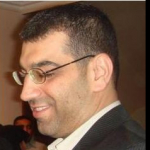
Ali Ahmed Aldiri
The Author Book How Do Philosophers Think? and the author of 16 another books.
كاتب وناقد بحريني.
Book Description
"كيف يفكر الفلاسفة؟" هي عنوان أطروحة فلسفية للكاتب علي أحمد الديري تنطلق من فرضية أن الخطاب الصوفي والخطاب الفلسفي (جسد مجتاز). وقد بدأ الكاتب الدراسة لإثبات هذه الفرضية بتعريف مفهومها للجسد المجتاز، واستعراض مصادرها في تكوينه، ومراجعها في تدعيمه، ثم اتخذ من خطاب إخوان الصفاء الفلسفي (القرن الرابع الهجري)، وخطاب فصوص الحكم والفتوحات الملكية لإبن عربي (558-638ه) نموذجاً، تدلل من خلاله على صحة فرضيتها أو على الأقل على وجه من صحتها.
يقوم مفهوم (الجسد الممتاز) الذي يحاول الكاتب استجلاء عناصره في الخطاب الصوفي والخطاب الفلسفي على فكرة: "أن الإنسان لا يمكنه أن يفكّر من دون الإستعانة بخبرات جسده الحسّية. فهو يعرف العالم من خلال جسده، ويبني تصوراته لما في العالم من خلاله أيضاً. وهو قادر على أن يجعل من هذه المعرفة الجسدية الحسية خطاباً، يعبّر فيه عن ذاته ورؤيته. فالإنسان هو الكائن الوحيد القادر على أن يتجاوز بجسده، لا أن يتجاوز جسده، أي أن يعبر من خلال جسده عوالم مرئية وغير مرئية، يصوغها في شكل خطابات تحكي تجاربه الوجودية (الجسد الممتاز) هو، إذاً، استخدام جسد الإنسان ومقتضياته مجازاً لصياغة حقائق إلهية وكونية وفلسفية وصوفية".
يقسم الكتاب إلى إطار نظري يشرح من خلاله الكاتب الإمكانات المعرفية للمجاز، وآخر يجمع فيه ابرز الصور والمجازات التي تتخذ من الجسد مهمازاً لها، فالأطروحة الأساسية هي منح المجاز قيمة معرفية، ليس المجاز حيلة بلاغية، كما يريد أن يقول، بل هو "بنية مفهومية حية نرى من خلالها الأشياء والعالم وعلاقاته". ثم يقدم الكاتب أمثلة لهذه البنى ضمن معالجة تسعى في نهاية المطاف إلى أن تقارن بين الخطابين الفلسفي والصوفي. فمجاز العد والموسيقى والطاقة والقبول والفيض والدائرة هي الصور الأبرز في خطاب إخوان الصفاء، أما إبن عربي، فوجد الكاتب مجاز النكاح هو الذي يمثل المجاز المركزي من بين مجازات الإستعارة المفهومية التي تدور في مخططها بقية المجازات مثل التجلي والتشجر "الخيال" ومجاز الكنز "الإنسان"، ومجاز النور.
كل تلك المجازات نجد تفسيراً لها يبعث على الدهشة والمتعة كلما توغلنا في قراءة .. كيف يفكر الفلاسفة؟".

Copyright reserved
The book cannot be previewed or downloaded in order to preserve the copyright of the author and publishing house
Not available digitally or on paper through the Noor Library, it is for rating and review
Share the book :
Book Review "How Do Philosophers Think?"

Book Quotes "How Do Philosophers Think?"

Other books like "How Do Philosophers Think?"







Other books for "Ali Ahmed AlDiri"


If there is a problem with the book, please report through one of the following links:
Report the book or by Contact us
E-books are complementary and supportive of paper books and never cancel it. With the click of a button, the e-book reaches anyone, anywhere in the world.
E-books may weaken your eyesight due to the glare of the screen. Support the book publisher by purchasing his original paper book. If you can access it and get it, do not hesitate to buy it.
Publish your book now for free