Bribery And Its Provisions In Islamic Jurisprudence

Account upgrade
The download is free, but we offer some paid services. Support us by subscribing
Delete ads and speed up browsing the library.
The download starts with the click of a button without waiting for the book to be ready.
No limits for download times.
You can upload unlimited books in the library.
Enable readers to download your books without waiting.
Delete ads on the books that you publish.
No problems with download links for your uploaded books.
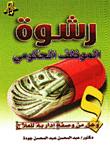
Book Bribery And Its Provisions In Islamic Jurisprudence
Copyright reserved
The book cannot be previewed or downloaded in order to preserve the copyright of the author and publishing house
Not available digitally or on paper through the Noor Library, it is for rating and review



Bribery And Its Provisions In Islamic Jurisprudence
| Author: | Majeed Saleh Ibrahim AlKirtani |
| Category: | Islamic Fiqh [Edit] |
| Language: | Arabic |
| Publisher: | مركز البحوث والدراسات الإسلامية السلسلة: الدراسات الإسلامية المعاصرة |
| Release Date: | 01 Jan 2008 |
| Pages: | 337 |
| Rank: | 236,541 No 1 most popular |
| Short link: | Copy |
| More books like this book | |
Book Description
هذا الكتاب، دراسة أعدها الدكتور نجيد الكرطاني لبيان جزئية مهمة من جزئيات الفقه الإسلامي وهي (الرشوة) وهذه الأهمية تتجلى في بيان أحكامها ووضع العلاج الشرعي المناسب، ذلك أن الشريعة إنما جاءت لإصلاح الفرد والمجتمع في آن معاً.
وفي هذا العمل وقف المؤلف على جملة تعريفات للرشوة عند الفقهاء، وقد ترجح لديه تعريف الرشوة بالفعل الذي يباشره الراشي أو المرتشي، ذلك لأن الفعل المادي هو الأساس في تكوين جريمة الرشوة، وليس عوض الرشوة كما ذهب إلى ذلك جماعة من الفقهاء.
كما أوضح المؤلف اتفاق الأديان السماوية والقوانين الوضعية على تحريمها لما فيها من ظلم للناس وأكل أموالهم بالباطل وإفساد أخلاقهم. ولغرض بيان أن الشريعة جاءت لتحقيق مصالح الناس فقد اثبت البحث أن الرشوة مفاسد كثيرة كشيوع روح المنفعية في المجتمع لا روح الواجب، كما أنها تلوث فطرة الإنسان وتحول بينه وبين الله تعالى، ثم إنها تؤثر على الكفاية الإنتاجية للعاملين، وتدمر الموارد المالية للمجتمع وغير ذلك، في الكتاب أيضاً. درس المؤلف الدوافع التي تساعد على ارتكاب الرشوة، كضعف الوازع الديني، أو تدني المستوى المعيشي أو الشعور بعدم قيام الدولة باتفاق الأموال بكفاية، أو وجود بعض العناصر الفاسدة في مناصب حكومية مهمة. كما كشف المؤلف عن تصرفات تنضوي تحت حكم الرشوة وعالجها، منها الهدية للقاضي وبيعه وشراءه ودعوته مع بيان أثر الرشوة في قضاء القاضي وفي عزله. ثم الهدية للموظف، وبيّن الفرق بين الهدية والرشوة، وترجح للمؤلف بعد الدراسة "أن الفرق بينهما مرده إلى نية المعطي والآخذ لأن الأعمال بالنيات وإن لكل امرىء ما نوى كما جاء في الحديث الشريف".
وبالإستناد إلى ما تقدم انتظمت الدراسة في ثلاثة مباحث:
المبحث الأول: نظرة الديانات التي سبقت الإسلام إلى الرشوة.
المبحث الثاني: تعريف الرشوة وحكمها في الشريعة الإسلامية.
المبحث الثالث: الحكمة في تحريم الرشوة ودوافعها.

Copyright reserved
The book cannot be previewed or downloaded in order to preserve the copyright of the author and publishing house
Not available digitally or on paper through the Noor Library, it is for rating and review
Share the book :
Book Review "Bribery And Its Provisions In Islamic Jurisprudence"

Book Quotes "Bribery And Its Provisions In Islamic Jurisprudence"

Other books like "Bribery And Its Provisions In Islamic Jurisprudence"



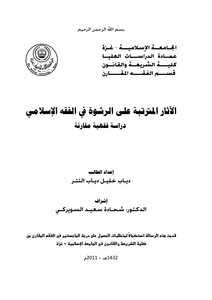
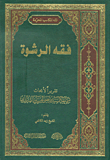




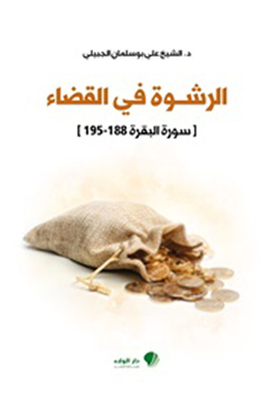

Other books for "Majeed Saleh Ibrahim AlKirtani"


If there is a problem with the book, please report through one of the following links:
Report the book or by Contact us
E-books are complementary and supportive of paper books and never cancel it. With the click of a button, the e-book reaches anyone, anywhere in the world.
E-books may weaken your eyesight due to the glare of the screen. Support the book publisher by purchasing his original paper book. If you can access it and get it, do not hesitate to buy it.
Publish your book now for free