Headscarves And Hymens: Why The Middle East Needs A Sexual Revolution

Account upgrade
The download is free, but we offer some paid services. Support us by subscribing
Delete ads and speed up browsing the library.
The download starts with the click of a button without waiting for the book to be ready.
No limits for download times.
You can upload unlimited books in the library.
Enable readers to download your books without waiting.
Delete ads on the books that you publish.
No problems with download links for your uploaded books.
Book Headscarves And Hymens Why The Middle East Needs A Sexual Revolution
Copyright reserved
The book cannot be previewed or downloaded in order to preserve the copyright of the author and publishing house
Not available digitally or on paper through the Noor Library, it is for rating and review

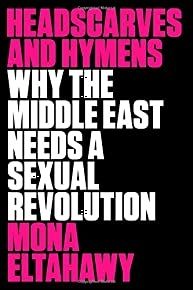

Headscarves And Hymens: Why The Middle East Needs A Sexual Revolution
| Author: | Mona Eltahawy |
| Category: | Muslim Women And Women In Islam [Edit] |
| Language: | English |
| Publisher: | Farrar, Straus and Giroux |
| ISBN: | 139780865478039 |
| Release Date: | 01 Jan 2015 |
| Pages: | 256 |
| Rank: | 180,058 No 1 most popular |
| Short link: | Copy |
| More books like this book | |
Book Description
كتاب منى الطحاوي - "الحجاب وغشاء البكارة: الشرق الأوسط في حاجة إلى ثورة جنسية" ترى الصحافية المصرية منى الطحاوي المثيرة للجدل في كتابها "الحجاب وغشاء البكارة" أن المرأة تبقى مواطنة من الدرجة الثانية في البلدان الإسلامية طالما لم يكن هناك ثورة حقيقية. الصحفية الألمانية كلاوديا كراماتشيك ترى في تقديمها التالي للكتاب لموقع قنطرة أن المؤلفة لا تقبل بأخذ "الخصوصيات الثقافية" بعين الاعتبار. تُعتَبَرُ حريَّة المرأة مقياسًا لمدى تحقُّق مفهوم الحريَّة في المجتمع. ويُقصد بالحريَّة دائمًا حريَّةً للجميع - سواء كانت للرجل أو المرأة. لذا كان من المشجِّع في سياق الربيع العربي أنْ صارت المرأة أيضًا تعبِّر عن آرائها بشكلٍ متزايدٍ. بيد أنَّه كان من المحبط أيضًا، أنْ يجري الانتقاص من حقوق المرأة بسرعة، وتحديدًا في تلك البلدان التي علا فيها نداء من أجل الحريَّة بعد فترة طويلة من الاضطهاد الذي ما زال مستمرًا. الكتاب استفزازي بدءا من الجملة الأولى: "يجب من حيث المبدأ أنْ نتكلَّم دون مُوَاربة"، هكذا تبدأ منى الطحاوي حديثها في ما تراه كرهًا متأصِّلًا للنساء في العالم العربي. وتضيف: "نحن النساء العربيات نعيش في ثقافةٍ معاديةٍ لنا من حيث المبدأ، ثقافةٌ تتسم باحتقار الرجال للنساء. وهم لا يكرهوننا بسبب حرياتنا، كما تريد أنْ تقول الصيغة الأمريكيَّة المبتذلة بعد الحادي عشر من أيلول/سبتمبر. بل العكس، إذ ليس لدينا حرِّيات لأنهم يكرهوننا". تتكلم منى الطحاوي عن تجارب عايشتها شخصيًا، فقد وُلِدت في مصر، بيد أنَّ عائلتها انتقلت إلى المملكة العربيَّة السعوديَّة وهي في السابعة من العمر، وتقول بهذا الصدد: "كأننا انتقلنا إلى كوكبٍ آخرَ، أشدُّ رغبات سكَّانه عدم وجود النساء". لذا يركِّز تقويمها النقدي على مصر والسعوية – حتى وإنْ أدخلت غير مرةٍ أرقامًا ومعطياتٍ من دولٍ عربيَّةٍ أو إسلاميَّةٍ أخرى، مثل اليمن ولبنان وسوريا أو السودان. هوس العفـَّة والإفراط في مَحْوَرَة الجنس هذه الأرقام والمعطيات دامغة ومحبِطة في نفس الوقت – يود القارئ في بعض الأحيان الاعتراض بعبارة "نعم، ولكن". بيد أنَّ المؤلفة ترفض بالذات هذ العبارة، فلا تعفي دينها من مسؤوليته عن القمع الذكوري (وهي ذاتها التي ارتدت الحجاب طويلًا عن قناعة)، كما ولا تقبل بالأخذ بـ "الخصوصيات الثقافيَّة" بعين الاعتبار. الحديث عن هذه الخصوصيات لا يدعم بحسب الطحاوي سوى المتشددين والأصوليين الذين يجعلون جسد الأنثى "حاملا ثقافيًا"، فيُلبِسُونه التصورات الذكوريَّة للثقافة. وهكذا تُخْتَزَل النساء إلى مجرَّد غشاء بكارةٍ وحجابٍ، أما العفـَّة والطهارة فهما المذبح الذي تجري عليه التضحية بحياة المرأة إذا اقتضى الأمر من أجل السِمْعة الحسنة فقط: جرائم الشرف، وزواج الأطفال، وتعدد الزوجات، وختان الإناث في مصر، والعنف المنزلي، والتأثير المتبادل بين العنف المنزلي وعنف الدولة. انظروا على سبيل المثال إلى عمليات الاغتصاب في ميدان التحرير وما يسمى باختبارات العذريَّة التي تـُجرى في مصر. ومع ذلك ليس هدفها "أن يأتي الإنقاذ على يد الغرب". بل ترغب في أنْ يصغي الغربُ لتلك النساء ويمنحهن منبرًا. نساءٌ يخاطرن بحياتهن في الكثير من الأحيان، لكي يحصل جنسهن على ما يبدو بديهيًا للرجال: حريَّة التنقّل والعيش كما يردن. تناولت منى الطحاوي حالات نساءٍ شجاعاتٍ، مثل موكب تلك النساء اللاتي احتججن على حظر قيادة السيارات عليهن في المملكة العربيَّة السعوديَّة، واللاتي أُودِعن إثر ذلك السجن وسُحبت منهن جوازات سفرهن، حالاتٌ تتقاطع مع تجربة المؤلفة الذاتيَّة، ما يضفي على الكتاب لمسةً شخصيَّةً وحيويَّةً. ورسالة الطحاوي للنساء: تحدثن بأنفسكن عن شؤونكن. The journalist Mona Eltahawy is no stranger to controversy. Through her articles and actions she has fought for the autonomy, security, and dignity of Muslim women, drawing vocal supporters and detractors. Now, in her first book, Headscarves and Hymens , Eltahawy has prepared a definitive condemnation of the repressive forces-political, cultural, and religious-that reduce millions of women to second-class citizens. Drawing on her years as a campaigner for and commentator on women's issues in the Middle East, she explains that since the Arab Spring began in 2010, women in the Arab world have had two revolutions to undertake: one fought alongside men against oppressive regimes, and another fought against an entire political and economic system that represses women in Egypt, Saudi Arabia, Tunisia, Libya, Yemen, and other nations. Eltahawy has traveled across the Middle East and North Africa, meeting with women and listening to their stories. Her book is a plea for outrage and action, confronting a "toxic mix of culture and religion that few seem willing or able to disentangle lest they blaspheme or offend." A manifesto motivated by hope and fury in equal measure, Headscarves and Hymens is as illuminating as it is incendiary.

Copyright reserved
The book cannot be previewed or downloaded in order to preserve the copyright of the author and publishing house
Not available digitally or on paper through the Noor Library, it is for rating and review
Share the book :
Book Review "Headscarves And Hymens: Why The Middle East Needs A Sexual Revolution"


Other books like "Headscarves And Hymens: Why The Middle East Needs A Sexual Revolution"








If there is a problem with the book, please report through one of the following links:
Report the book or by Contact us
E-books are complementary and supportive of paper books and never cancel it. With the click of a button, the e-book reaches anyone, anywhere in the world.
E-books may weaken your eyesight due to the glare of the screen. Support the book publisher by purchasing his original paper book. If you can access it and get it, do not hesitate to buy it.
Publish your book now for free