quotes of books nicholas ostler
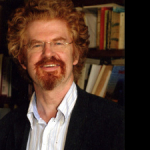
Nicholas Ostler
Nicholas Ostler is a British scholar and author. Ostler studied at Balliol College, Oxford, where he received degrees in Greek, Latin, philosophy, and economics. He later studied under Noam Chomsky at the Massachusetts Institute of Technology, where he earned his Ph.D. in linguistics and Sanskrit.
His 2005 book Empires of the Word: A Language History of the World documents the spread of language th Nicholas Ostler is a British scholar and author. Ostler studied at Balliol College, Oxford, where he received degrees in Greek, Latin, philosophy, and economics. He later studied under Noam Chomsky at the Massachusetts Institute of Technology, where he earned his Ph.D. in linguistics and Sanskrit.
His 2005 book Empires of the Word: A Language History of the World documents the spread of language throughout recorded human history.
His 2007 book Ad Infinitum: A Biography of Latin looks specifically at the language of the Romans, both before and after the existence of their Empire. The story focuses on the rise, spread, and dominance of Latin, both among other languages of the Italian peninsula in the early part of the 1st millennium BC and among the languages of Western Europe in the Dark Ages and beyond, presenting the life of Latin as any biographer would present the life of his subject. With this book, Ostler provides a strong argument against the label 'dead language' so often assigned to Latin. However, the title, 'Ad Infinitum,' refers not to this, but to his thesis that the Latin-speaking world was unconscious of its own limits, looking always back to its centre, rather than outwards.
He is currently the chairman of the Foundation for Endangered Languages, and lives in Bath, England.



 NoorBook