quotes of books miral al tahawy
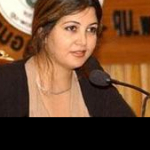
Miral Al-tahawy
Miral al-Tahawy (Arabic: ميرال الطحاوي) is an Egyptian writer of short stories and novels.
Until she left for Cairo at the age of 26, al-Tahawy had never left her village (Geziret Saoud in the eastern Nile delta) without a male relative or guardian. She managed to avoid marriage by working as a teacher, and then by leaving without permission to study at the University of Cairo.
Born in 1968 into t Miral al-Tahawy (Arabic: ميرال الطحاوي) is an Egyptian writer of short stories and novels.
Until she left for Cairo at the age of 26, al-Tahawy had never left her village (Geziret Saoud in the eastern Nile delta) without a male relative or guardian. She managed to avoid marriage by working as a teacher, and then by leaving without permission to study at the University of Cairo.
Born in 1968 into the Bedouin al-Hanadi tribe, she credits her liberal-minded father with the fact that both she and her older sister (who is a pharmacist) obtained an education, although they lived in traditional seclusion.
Her experience of coming to the city for the first time and gaining her freedom inspired her to write. In 1995, she published a collection of short stories Riem al-barai al-mostahila (The Exceptional Steppe Antelope) based on childhood memories and her grandmother’s stories.
Three novels followed: Al-Khibaa (The Tent, 1996), Al-Badhingana al-zarqa (The Blue Aubergine) and Naquarat al-Zibae (The Gazelle's Tracks), the first two of which have been translated into English by the American University in Cairo Press.