download books coningsby dawson pdf
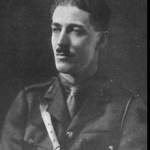
Coningsby Dawson
He has (16) books in the library, Total download and read (175)
Coningsby Dawson was an Anglo-American Novelist and Soldier, Canadian Field Artillery, born at High Wycombe, Buckinghamshire, England.
He graduated at Merton College, Oxford, in 1905. He spent a year taking a theological course at Union Seminary but decided on a career as a writer.
In the same year he went to America, where he did special work for English newspapers on Canadian subjects, traveling w Coningsby Dawson was an Anglo-American Novelist and Soldier, Canadian Field Artillery, born at High Wycombe, Buckinghamshire, England.
He graduated at Merton College, Oxford, in 1905. He spent a year taking a theological course at Union Seminary but decided on a career as a writer.
In the same year he went to America, where he did special work for English newspapers on Canadian subjects, traveling widely during the period. He lived at Taunton, Massachusetts, from 1906 to 1910, when he became literary adviser to the George H. Doran Publishing Company.
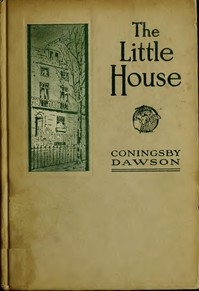
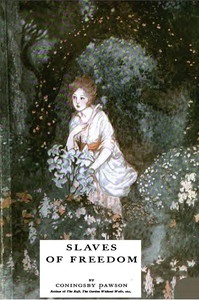
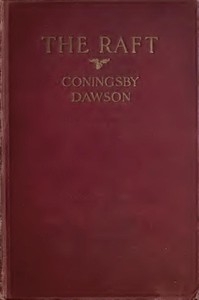
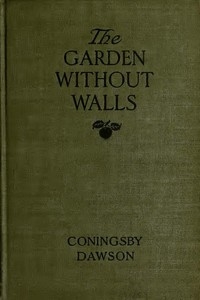
In a house in Taunton, Massachusetts, he wrote poems, short stories, and three novels: Garden Without Walls (1913), an immediate success, followed by The Raft and Slaves of Freedom.