Light That Guides - No Chains That Captivate

Account upgrade
The download is free, but we offer some paid services. Support us by subscribing
Delete ads and speed up browsing the library.
The download starts with the click of a button without waiting for the book to be ready.
No limits for download times.
You can upload unlimited books in the library.
Enable readers to download your books without waiting.
Delete ads on the books that you publish.
No problems with download links for your uploaded books.
Book Quotes Light That Guides No Chains That Captivate
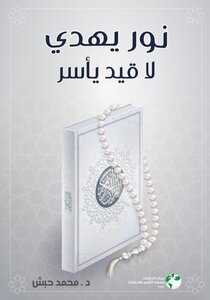

Light That Guides - No Chains That Captivate
| Author: | Muhammad Habash |
| Category: | Islamic Etiquette [Edit] |
| Language: | Arabic |
| Pages: | 218 |
| Rank: | 78,835 No 1 most popular |
| Short link: | Copy |
| More books like this book | |
Book Description
يهدف هذا الكتاب إلى المساهمة في إحياء التَّيَّار العقلانيِّ في الإسلام القائم على اتباع العقل واحترام النقل، وبناء نمط استدلاليٍّ عقلانيٍّ يجمع بين احترام النَّصِّ المقدَّس والاستجابة لحاجات الحياة وتطوراتها ومتغيراتها الهائلة.
كما يهدف إلى التأكيد على إمكان تطوير الشَّريعة الإسلاميَّة بوصفها كائناً حياً قابلاً للتطور والترقية ومزيد من الاكتمال، وذلك في مواجهة التَّيار التقليديِّ الذي يرى أن مجد الإسلام في تصلبه وأنه غير قابل في تشريعاته للتطوير والتحديث.
ونلتمس جذور دراستنا هذه من أعلام كبار في التَّاريخ الإسلاميِّ الذين صرحوا بهذا الموقف، وحكموا به أيضاً، ونجحوا في إنتاج تشريعات متطورة في عصور تستضيء بالقرآن وتنافس تجارب الأمم الناجحة وتلبي حاجة الأمة في القوة والازدهار والحرية.
Share the book :

Other books like "Light That Guides - No Chains That Captivate"










Other books for "Muhammad Habash"

If there is a problem with the book, please report through one of the following links:
Report the book or by Contact us
E-books are complementary and supportive of paper books and never cancel it. With the click of a button, the e-book reaches anyone, anywhere in the world.
E-books may weaken your eyesight due to the glare of the screen. Support the book publisher by purchasing his original paper book. If you can access it and get it, do not hesitate to buy it.
Publish your book now for free