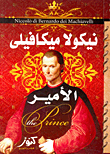
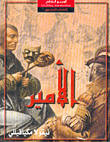
Prince To Machiavelli

Account upgrade
The download is free, but we offer some paid services. Support us by subscribing
Delete ads and speed up browsing the library.
The download starts with the click of a button without waiting for the book to be ready.
No limits for download times.
You can upload unlimited books in the library.
Enable readers to download your books without waiting.
Delete ads on the books that you publish.
No problems with download links for your uploaded books.
Download Book Prince To Machiavelli Pdf
The source of the book
This book was brought from archive.org as under a Creative Commons license, or the author or publishing house agrees to publish the book. If you object to the publication of the book, please contact us.


Prince To Machiavelli
| Author: | Unspecified author |
| Category: | First World War [Edit] |
| Language: | Arabic |
| Pages: | 114 |
| File Size: | 914.15 KB |
| Extension: | |
| Creation Date: | 05 Aug 2008 |
| Rank: | 106,172 No 1 most popular |
| Short link: | Copy |
| More books like this book | |
Book Description
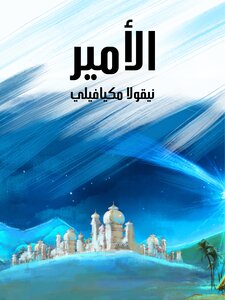
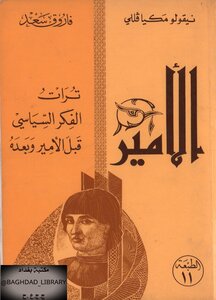
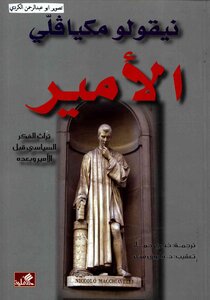
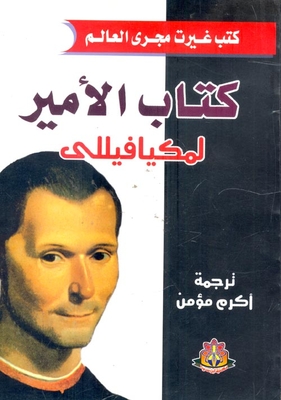
كتاب الأمير (بالإيطالية: Il Principe) دراسة في الفقه السياسي أعدها نيكولو مكيافيلي سنة 1553 أثناء تواجده في قرية سانتاندريا بركوسينا مـُـبـْعـَداً إثر عودة عائلة ميديشي (1512) لاتهامه بالمشاركة في مؤامرة بيير باولو بوسكولي ضد الميديشيين. أهدى مكيافيلي هذا العمل إلى لورينزو الثاني دي ميديشي ابن بييرو الثاني دي ميديشي على أمل استعادة منصب أمين الجمهورية، وتم نشره سنة 1532 بعد وفاته. وهو بلا شك أكثر أعماله شهرة، واستحدث منه اسم "المكيافيلية" وصفة "المكيافيلي".
جاء أول ذِكرِ لهذا العمل في الرسالة إلى فرانشيسكو فيتوري المؤرخة في 10 ديسمبر 1513، بعث بتلك الرسالة إلى صديقه فرانشيسكو فيتوري رداً على رسالةٍ من هذا الأخير رَوَى فيها حياته في روما وطلب أنباءً عن الحياة التي أدت بمكيافيلي إلى سانتاندريا. رد الأخير راوياً له الجوانب الخشنة في حياة الريف وتحدث أيضاً عن دراساته ،موضحاً بأنه ألـّف "كتيباً" بعنوان الأمير (De principatibus)
وهو عمل لا يـُنسب إلى نوعِ معين لأنه لا يملك خصائص البحث العلمي الفعلي والحقيقي. فافتـُرضـَت طبيعة كتيب يأخذ الطابع الإعلامي التوعوي. أُلـّـف العمل ككل في النصف الثاني من سنة 1513 في ألبرغاتشو باستثناء الإهداء للورينزو دي ميديشي والفصل الأخير اللذان أُلـّـفا بعد سنوات قليلة. صدرت الطبعة الأولى سنة 1532. الأمير يتكون من إهداء وستة والعشرين فصلاً مختلفة الأحجام، ويحوي الفصل الأخير التماساً لآل ميديشي لقبول الموقف الذي أعرب عنه في النص.
وقد أصبح هذا الكتاب الصغير منذ ظهروه في القرن السادس عشر مثار جدال كبير. كما أصبح مادة ضرورية لدراسة علم السياسة في عصر النهضة وعلى الرغم من كل ذلك استمر الجدال الحاد، والخلاف الكبير حول الكتاب. وهو على الرغم من اشتماله على عدد كبير من المبادئ والمفاهيم السياسية الناضجة التي اعتنقها مكيافيللي، إلا أنه لا يشمل كل آرائه السياسية. ومذ ظهور الكتاب في طبعاته الأولى والخلاف يدور حول ما فيه من مضامين أخلاقية. وقد تطور هذا الخلاف إلى ما هو أبعد من مجرد تناول أغراضه العلمية وعلاقته بالمستقبل السياسي لعائلة مديشي. وقد اعتبره علماء الأخلاق وخاصة في بريطانيا وفرنسا كتابًا مناسبًا فقط للطغاة الأشرار


Share the book :
Book Review "Prince To Machiavelli"

Book Quotes "Prince To Machiavelli"

Other books like "Prince To Machiavelli"





If there is a problem with the book, please report through one of the following links:
Report the book or by Contact us
E-books are complementary and supportive of paper books and never cancel it. With the click of a button, the e-book reaches anyone, anywhere in the world.
E-books may weaken your eyesight due to the glare of the screen. Support the book publisher by purchasing his original paper book. If you can access it and get it, do not hesitate to buy it.
Publish your book now for free