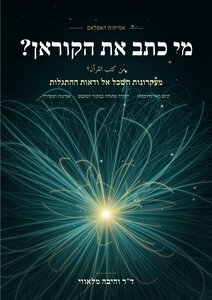
Chi ha scritto il Corano? Dai principi della ragione alla certezza della rivelazione

Account upgrade
The download is free, but we offer some paid services. Support us by subscribing
Delete ads and speed up browsing the library.
The download starts with the click of a button without waiting for the book to be ready.
No limits for download times.
You can upload unlimited books in the library.
Enable readers to download your books without waiting.
Delete ads on the books that you publish.
No problems with download links for your uploaded books.
Download Book Chi Ha Scritto Il Corano Dai Principi Della Ragione Alla Certezza Della Rivelazione Pdf
The publisher is the author
Previewing the book or downloading it for personal use only and any other powers should be obtained from the author of the book publisher

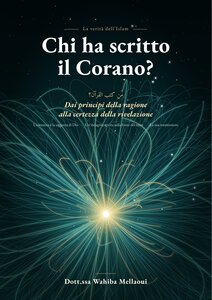

Chi Ha Scritto Il Corano? Dai Principi Della Ragione Alla Certezza Della Rivelazione
| Author: | د. وهيبة ملاوي |
| Category: | The Holy Quran [Edit] |
| Language: | Italian |
| Pages: | 370 |
| File Size: | 16.31 MB |
| Extension: | |
| Rank: | 920,828 No 1 most popular |
| Short link: | Copy |
| More books like this book | |

د. وهيبة ملاوي
دكتورة في فلسفة الهندسة
The Publisher and the author
Book Chi ha scritto il Corano? Dai principi della ragione alla certezza della rivelazione .
الدكتورة وهيبة ملاوي باحثة وممارسة في مجالات إدارة التكنولوجيا والاقتصاد والسياسات العامة. حصلت على الدكتوراه في الهندسة من جامعة سيول الوطنية (2023)، وعلى شهادة مهندس دولة في الإعلام الآلي من جامعة باتنة (1999). تشغل حاليًا منصب مستشارة في الإدارة الاستراتيجية ومديرة محافظ المشاريع بشركة اتصالات الجزائر الفضائية، وأستاذة زائرة لمنهجية البحث العلمي بكلية العلوم في جامعة الجزائر 1. وهي عضو في لجنة التحكيم الدولية لجوائز PMI-PMO العالمية منذ 2020، وأوّل حاملة لشهادة PfMP® في الجزائر، وحائزة على جائزة أفضل بحث علمي من جامعة سيول الوطنية (2022)، ومحكِّمة في مجلات دولية مصنّفة، كما شاركت في لجان مناقشة وتقييم أطروحات الدكتوراه بكلية الهندسة في جامعة سيول الوطنية. تتمحور أبحاثها حول إدارة التكنولوجيا وسياسات الابتكار، والتحول الرقمي واستراتيجيات الذكاء الاصطناعي، وإدارة المعرفة، واقتصاد المنصات. وإلى جانب تخصصها التقني، تُولي اهتمامًا بالغًا بفلسفة الأديان، والفلسفة الإسلامية، والبراهين العقلية على صدق الإسلام وحقّانيته، وبالتقاء الإيمان والعقل والتكنولوجيا. وهي المؤلفة الرئيسة، بالاشتراك مع الدكتور محمد مباركوت والدكتورة حليمة ملاوي، لكتاب Homo-Servus: The Collapse of Human Sovereignty in the Digital Era، الذي اجتاز التحكيم العلمي وقُبل للنشر لدى دار نشر أكاديمية دولية، ويصدر قريبًا. يتناول الكتاب كيف يتنازل الإنسان بهدوء، وطوعًا في الغالب، عن ذاكرته وانتباهه وحكمه وقراره لأنظمة الذكاء الاصطناعي وللنخب الضيقة المتحكمة فيها، ويقدّم أطرًا مفاهيمية أصيلة، ويقترح إحدى عشرة سياسة عملية لاستعادة السيادة الإنسانية.
Book Description
Chi ha scritto il Corano? Questo libro non le chiede di crederci, ma di verificarlo.
Unico nel suo genere, questo libro affronta la questione più dibattuta sull’islam con ciò che finora mancava: un metodo di ricerca completo, dichiarato in anticipo, applicato con rigore e riproducibile da chiunque. Non è un’arringa, ma una vera indagine, condotta come una ricerca scientifica.
Un metodo chiaro, visibile e riproducibile. Tutto il percorso è presentato in uno schema semplice, la Casa della prova (Bayt al-Burhān). Le fondamenta sono i principi della ragione, condivisi da ogni essere umano. Sopra si trova la teoria della conoscenza: come sappiamo ciò che sappiamo? Seguono metodi di ricerca riconosciuti, usati nelle università di tutto il mondo: l’inferenza alla migliore spiegazione, la triangolazione, la falsificabilità e i criteri degli storici. Ogni tappa poggia sulla precedente, e il lettore sa sempre dove si trova.
Un’indagine completa, dall’inizio alla fine. Il libro stabilisce anzitutto, con la sola ragione, l’esistenza di un Creatore unico, sapiente e onnisciente, e mostra perché la Sua saggezza richiede una comunicazione con l’essere umano. Apre poi il fascicolo del Corano: sette ipotesi sull’origine del testo, nessuna esclusa in anticipo, e dodici fatti accertati messi a confronto con ciascuna di esse. Una matrice permette al lettore di rifare il confronto da sé. Verifica anche, catena per catena, la trasmissione del testo. Infine affronta le obiezioni più forti, dal problema del male alla libertà umana.
Un’onestà rara. I criteri sono fissati prima di esaminare le prove, mai dopo. I limiti di ogni argomento sono segnalati in riquadri di trasparenza. Le obiezioni sono presentate nella loro forma più forte, e l’autrice applica al proprio ragionamento le regole che chiede agli altri di rispettare.
Un invito al pensiero critico. Poiché il metodo è chiaro e riproducibile, ogni conclusione può essere verificata, discussa e contestata. Si apre così la via a un dibattito serio tra credenti e scettici, nel rispetto di tutti.
Un libro per imparare e per insegnare. Schemi, tabelle, sintesi alla fine di ogni capitolo e un glossario ne fanno un’opera adatta a università, centri islamici e corsi di religioni comparate, filosofia e metodologia. Resta accessibile a ogni lettore curioso.
Musulmano che desidera conoscere tutta la forza razionale della propria religione, scettico in cerca di argomenti seri, studente o docente: questo libro le offre gli strumenti per giudicare da sé.
L’autrice. La Dott.ssa Wahiba Mellaoui è ingegnere informatico e dottore di ricerca in ingegneria presso la Seoul National University. Come docente invitata di metodologia della ricerca all’Università di Algeri 1, ha insegnato la revisione sistematica della letteratura ai nuovi docenti universitari. Valuta articoli per riviste internazionali e opere accademiche, e nel 2025 ha fatto parte di una commissione di dottorato alla Seoul National University. Mette questa esperienza al servizio di un percorso trasparente che il lettore può seguire, rifare e discutere.
Edizione gratuita: è consentita la diffusione senza alcuna modifica.


Share the book :
Book Review "Chi ha scritto il Corano? Dai principi della ragione alla certezza della rivelazione"

Book Quotes "Chi ha scritto il Corano? Dai principi della ragione alla certezza della rivelazione"

Other books like "Chi ha scritto il Corano? Dai principi della ragione alla certezza della rivelazione"


Other books for "د. وهيبة ملاوي"
If there is a problem with the book, please report through one of the following links:
Report the book or by Contact us
E-books are complementary and supportive of paper books and never cancel it. With the click of a button, the e-book reaches anyone, anywhere in the world.
E-books may weaken your eyesight due to the glare of the screen. Support the book publisher by purchasing his original paper book. If you can access it and get it, do not hesitate to buy it.
Publish your book now for free

