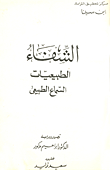
Hearing Among The Persians And The Arabs - Esaad Abdul Hadi Qandil

Account upgrade
The download is free, but we offer some paid services. Support us by subscribing
Delete ads and speed up browsing the library.
The download starts with the click of a button without waiting for the book to be ready.
No limits for download times.
You can upload unlimited books in the library.
Enable readers to download your books without waiting.
Delete ads on the books that you publish.
No problems with download links for your uploaded books.
Download Book Hearing Among The Persians And The Arabs Esaad Abdul Hadi Qandil Pdf
The source of the book
This book was brought from archive.org as under a Creative Commons license, or the author or publishing house agrees to publish the book. If you object to the publication of the book, please contact us.


Hearing Among The Persians And The Arabs - Esaad Abdul Hadi Qandil
| Author: | Unspecified author |
| Category: | The Arts Of Music, Singing And Dancing [Edit] |
| Language: | Arabic |
| Pages: | 392 |
| File Size: | 5.84 MB |
| Extension: | |
| Creation Date: | 24 Oct 2014 |
| Rank: | 296,991 No 1 most popular |
| Short link: | Copy |
| More books like this book | |
Book Description
السماع عند الفرس والعرب - إسعاد عبد الهادي قنديل
الناشر: نشر خاص بالمؤلف - القاهرة
الطبعة: 2004
392 صفحة
نبذة المؤلفة:
السماع بمعناه العام يعني الموسيقى والغناء والرقص، وبمعناه الخاص عند أصحاب الوجد والحال من الصوفية يعني الاستماع بأذن القلب إلى الأصوات والألحان في حال من الوجد والغيبة عن النفس، والتصفيق والرقص على انفراد أو في جماعة بآداب ورسوم خاصة.
والسماع من الظواهر التي تلفت النظر في التصوف الإسلامي بعامة، والتصوف الفارسي بخاصة، فهو يمثل جانبا مهما من تصوف عدد من شعراء الفارسية أمثال أبي سعيد بن أبي الخير (م 440هـ)، وجلال الدين الرومي (م 672هـ) وعبد الرحمن الجامي (م 898هـ)، وغيرهم.
وقد عرف السماع بمعناه العام عند الفرس والعرب قبل الإسلام. وفي صدر الإسلام برز هذا اللفظ، وإن تغير مفهومه، فأصبح يعني سماع القرآن الكريم والحداء وأغاني الحجيج والأشعار التي تحث على الجهاد والغزو. غير أن هذا المفهوم لم يلبث أن تطور بعد أن راج الغناء وانتشر بين المسلمين في العصرين الأموي والعباسي، وأصبح السماع يعني الغناء.
وقد دخل السماع بهذا المفهوم الحديد التصوف الإسلامي في وقت مبكر من تاريخه وكثرت فيه أقال شيوخ الصوفية الأوائل وأباحه معظمهم ومارسوه، ولم تمتنع عنه إلا قلة من المتحفظين الذين تابعوا رأي بعض الفقهاء ممن ترددوا في إباحة الغناء، لما يصحبه من عزف على الآلات، والقيام ببعض الحركات التي كانوا ينظرون إليها على أنها اللهو الذي يتجافى عن نصوص الشرع والدين.
محتويات الكتاب:
يتألف الكتاب من مقدمة بعنوان "الفنون في حياة الشعوب (الشعر، الموسيقى، الغناء، الرقص)"، ومن ثلاثة كتب:
- الكتاب الأول: السماع عند الفرس والعرب قبل الإسلام وحتى العصر العباسي: يضم ثلاثة فصول:
الفصل1- الموسيقى والغناء عند الفرس.
الفصل2- انتقال الموسيقى الفارسية إلى العرب قبل الإسلام.
الفصل3- الغناء والموسيقى عند العرب قبل الإسلام.
- الكتاب الثاني: السماع في التصوف الإسلامي من خلال الكتب الصوفية المنثورة: يضم تمهيدا وأربعة فصول:
الفصل1- السماع في المرحلة الأولى.
الفصل2- السماع في المرحلة الثانية.
الفصل3- السماع في المرحلة الثالثة
الفصل4- مفهوم السماع في التصوف.
- الكتاب الثالث: السماع في الشعر الفارسي الصوفي: يضم تمهيدا وثلاثة فصول:
الفصل1- فن الرباعي.
الفصل2- الغزل.
الفصل3- السماع عند أبي سعيد بن أبي الخير.


Share the book :
Book Review "Hearing Among The Persians And The Arabs - Esaad Abdul Hadi Qandil"

Book Quotes "Hearing Among The Persians And The Arabs - Esaad Abdul Hadi Qandil"

Other books like "Hearing Among The Persians And The Arabs - Esaad Abdul Hadi Qandil"











If there is a problem with the book, please report through one of the following links:
Report the book or by Contact us
E-books are complementary and supportive of paper books and never cancel it. With the click of a button, the e-book reaches anyone, anywhere in the world.
E-books may weaken your eyesight due to the glare of the screen. Support the book publisher by purchasing his original paper book. If you can access it and get it, do not hesitate to buy it.
Publish your book now for free