The Nature Of The Rules Regulating The Circulation Of Information In Public Spaces

Account upgrade
The download is free, but we offer some paid services. Support us by subscribing
Delete ads and speed up browsing the library.
The download starts with the click of a button without waiting for the book to be ready.
No limits for download times.
You can upload unlimited books in the library.
Enable readers to download your books without waiting.
Delete ads on the books that you publish.
No problems with download links for your uploaded books.
Book The Nature Of The Rules Regulating The Circulation Of Information In Public Spaces
Copyright reserved
The book cannot be previewed or downloaded in order to preserve the copyright of the author and publishing house
Not available digitally or on paper through the Noor Library, it is for rating and review



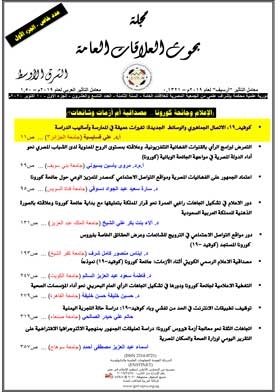
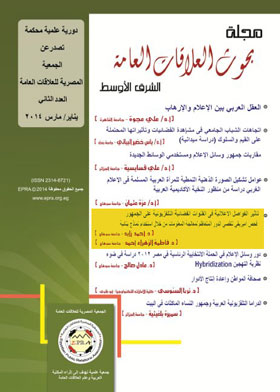
The Nature Of The Rules Regulating The Circulation Of Information In Public Spaces
| Author: | علي قسايسية |
| Category: | History Of The Press And Media [Edit] |
| Language: | Arabic |
| Publisher: | مجلة بحوث العلاقات العامة الشرق الأوسط - دورية علمية محكمة |
| Release Date: | 01 Jan 2013 |
| Rank: | 613,974 No 1 most popular |
| Short link: | Copy |
| More books like this book | |
Book Description
هذا المقال بعنوان "طبيعة القواعد التي تحكم تدفق المعلومات في الأماكن العامة" ، هو محاولة للنظر إلى الاختلافات المتعددة للمشكلات المتعفنة بعمق في جوانب الحياة المختلفة للمجتمعات الحالية وما بعد الحاضرة ، خاصة في مجالات الاقتصاد والسياسة والتنظيم القانوني المجتمعي ككل. المعضلة أكثر ثباتاً في المجتمعات الانتقالية مثل الدول العربية. لقد غيرت تكنولوجيا المعلومات والاتصالات الجديدة بشكل دراماتيكي طرق تفكير الشعوب وعيشها في جميع أنحاء العالم: ومجموعة واسعة من الأشكال الجديدة للحريات الفردية والجماعية ظهرت؛ ولا تزال السلطات العامة غير قادرة على التحكم في التدفق الحر للمعلومات وتنظيمه من خلال وسائل الاتصال الجديدة وكذلك وسائل الإعلام "القديمة" المتصلة بالشبكات. تصبح المعلومات أكثر وأكثر متاحة لجمهور غير محدود يتزايد في الزمان والمكان. ومن ناحية أخرى ، فإن الجيل الجديد من حقوق الإنسان يتعلق بحرية المعلومات كما هو موضح في المادة 19 من الإعلان العالمي لحقوق الإنسان (UDHR). وفرص الفرص التي توفرها تكنولوجيا المعلومات ، تجعل من الصعب على الحكومات ، قانونياً وفنياً ، حماية الخصوصية والحفاظ على النظام الاجتماعي. إن المعايير العالمية "القديمة" التي تحكم استخدام وسائط الاتصال ، وفقاً لمبادئ النظرية التحررية ، لديها ، وبالتالي ، من أجل تحديثها من أجل مواجهة تحديات وتطبيقات العوالم الإلكترونية في خلق هويات اجتماعية في كل مكان في المنزل والمكتب والأماكن العامة في كل مكان على الكرة الأرضية.النتيجة هي الغرق من دراسة الأحكام القانونية الرئيسية عالميا في الاستخدام منذ إنشاء النظام العالمي لما بعد الحرب ، هو دعوة للنظر في تلك المبادئ وقبولها على أنها "شكل لوحة" نحو معلومات جديدة الإطار التشريعي مع الأخذ بعين الاعتبار التطورات الأخيرة التي تجعل وسائل الإعلام ، الجديدة والقديمة ، مصادر رئيسية للمعلومات ، تحكمها وتنظمها قواعد ذاتية الأخلاق المهنية.

Copyright reserved
The book cannot be previewed or downloaded in order to preserve the copyright of the author and publishing house
Not available digitally or on paper through the Noor Library, it is for rating and review
Share the book :
Book Review "The Nature Of The Rules Regulating The Circulation Of Information In Public Spaces"

Book Quotes "The Nature Of The Rules Regulating The Circulation Of Information In Public Spaces"

Other books like "The Nature Of The Rules Regulating The Circulation Of Information In Public Spaces"









Other books for "علي قسايسية"

If there is a problem with the book, please report through one of the following links:
Report the book or by Contact us
E-books are complementary and supportive of paper books and never cancel it. With the click of a button, the e-book reaches anyone, anywhere in the world.
E-books may weaken your eyesight due to the glare of the screen. Support the book publisher by purchasing his original paper book. If you can access it and get it, do not hesitate to buy it.
Publish your book now for free