Memory From The Mind To The Particles

Account upgrade
The download is free, but we offer some paid services. Support us by subscribing
Delete ads and speed up browsing the library.
The download starts with the click of a button without waiting for the book to be ready.
No limits for download times.
You can upload unlimited books in the library.
Enable readers to download your books without waiting.
Delete ads on the books that you publish.
No problems with download links for your uploaded books.
Book Memory From The Mind To The Particles
Copyright reserved
The book cannot be previewed or downloaded in order to preserve the copyright of the author and publishing house
Not available digitally or on paper through the Noor Library, it is for rating and review

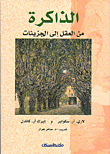
Memory From The Mind To The Particles
| Author: | لاري.آر.سكواير |
| Category: | RAM [Edit] |
| Language: | Arabic |
| Publisher: | مكتبة العبيكان |
| ISBN: | 6000713 |
| Release Date: | 11 Jan 2002 |
| Pages: | 448 |
| Rank: | 628,401 No 1 most popular |
| Short link: | Copy |
| More books like this book | |
Book Description
أنا أفكر فإذاً أنا موجود" كتب هذه العبارة الفيلسوف الفرنسي رينيه ديكارت في عام 1637، والتي ربما لا تزال المقولة المقتبسة الأكثر شيوعاً في الفلسفة الغربية. إنها أحد أهم الدروس البيولوجية العظيمة في القرن العشرين والدرس الذي سوف يشكل نقطة الانطلاق لهذا الكتاب هو أن هذه العبارة خطأ لسببين: الأول هو استخدام ديكارت لهذه العبارة لكي يؤكد على الفصل الذي يعتقد أنه موجدود بين العقل والجسم. وأن النشاط العقلي مستقل تماماً عن الشاط الجسمي، على أية حال أصبح لدى علماء الحياة (البيولوجيا) كل الدواعي للاعتقاد أن هذه النشاطات العقلية صادرة عن جزء متخصص من جسمنا: ألا وهو دماغنا. وعليه فإنه من الأصح إعادة صياغة عبارة ديكارت عن طريق قراءة العبارة بشكل عكسي: "أنا موجود أنا أفكر" يشبه إلى حدّ كبير ما يقترحه عالم الأعصاب أنطونيو داماسيو حينما يقول "لديّ دماغ فأنا أفكر".
هناك، على أية حال، إحساس آخر أكبر بأن عبارة ديكارت الأصلية كانت خطأ. نحن لسنا فقط لأننا نفكر وإنما نحن هو نحن، لأننا نستطيع ان نتذكر ما قد فكرنا به. وكما يبين الكتاب في فصوله، فإن كل فكرة لدينا وكل كلمة نتكلم بها، وكل عمل ننخرط فيه هو في الحقيقة إحساسنا الاكيد بالذات وإحساسنا بالاتصال مع الآخرين، أننا ندين لذاكرتنا بقدرة أو أدمغتنا على تسجيل وتخزين خبراتنا. الذاكرة هي المادة اللاصقة التي تجعل حياتنا العقلية متماسكة، وهي السقالات المستخدمة في عملية البناء التي تسمح بإضافة طبقات جديدة من خبرات الحياة إلى الطبقات المكوّنة لتاريخنا الشخصي. وحينما تضيع الذاكرة، كما هو الحال في مرض الزامير، فإننا نخسر مقدرتنا على إحياء ماضينا وتكون النتيجة أننا نفقد صلتنا بأنفسها وبالآخرين.
خلال العقدين الماضيين، كانت هناك ثورة في فهمنا للذاكرة وما الذي يحدث على مستوى الدماغ حينما نقوم بعملييتي التعلم والتذكر، لقد كانت الغاية من كتابة هذا الكتاب هي بيان الأصول التي تثير الاهتمام في هذه الثورة ولوصف ما هو معروف الآن عن عمل الذاكرة وعمل الخلايا العصبية وأجهزة الدماغ، وللحديث أيضاً عن كيفية إصابة الذاكرة بالانحراف عند التعرض لإصابة أو حدوث مرض.

Copyright reserved
The book cannot be previewed or downloaded in order to preserve the copyright of the author and publishing house
Not available digitally or on paper through the Noor Library, it is for rating and review
Share the book :
Book Review "Memory From The Mind To The Particles"

Book Quotes "Memory From The Mind To The Particles"

Other books like "Memory From The Mind To The Particles"

If there is a problem with the book, please report through one of the following links:
Report the book or by Contact us
E-books are complementary and supportive of paper books and never cancel it. With the click of a button, the e-book reaches anyone, anywhere in the world.
E-books may weaken your eyesight due to the glare of the screen. Support the book publisher by purchasing his original paper book. If you can access it and get it, do not hesitate to buy it.
Publish your book now for free