Egyptian-Omani Constitutional Law

Account upgrade
The download is free, but we offer some paid services. Support us by subscribing
Delete ads and speed up browsing the library.
The download starts with the click of a button without waiting for the book to be ready.
No limits for download times.
You can upload unlimited books in the library.
Enable readers to download your books without waiting.
Delete ads on the books that you publish.
No problems with download links for your uploaded books.
Book Egyptian Omani Constitutional Law
Copyright reserved
The book cannot be previewed or downloaded in order to preserve the copyright of the author and publishing house
Not available digitally or on paper through the Noor Library, it is for rating and review



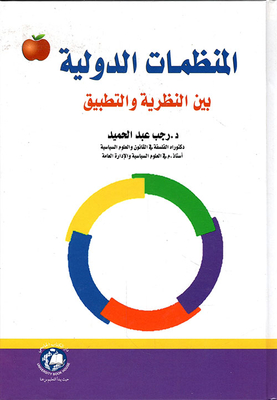
Egyptian-Omani Constitutional Law
| Author: | Rajab Abdul Hamid |
| Category: | The Constitutional Law [Edit] |
| Language: | Arabic |
| Publisher: | دار الكتاب الجامعي |
| ISBN: | 9786144520215 |
| Release Date: | 01 Jan 2016 |
| Pages: | 208 |
| Rank: | 621,740 No 1 most popular |
| Short link: | Copy |
| More books like this book | |
Book Description
من المسلمات في الوقت الحاضر أن كل دولة تخضع لنظام سياسي معيّن، ويختلف هذا النظاك بالطبع من دولة لأخرى تبعاُ للاختلاف في الفلسفات الأيديولوجية والفكرية وتباين الظروف الاقتصادية والاجتماعية والثقافية، السائدة في المجتمع، وهذة الفلسفات تلقي بظلالها على النظام السياسي، والنظام السياسي الصالح في بلد معيّن وفي وقت معين قد لا يصلح في بلد آخر في نفس الوقت، فالنظام السياسي الصالح هو الذي ينبع من صميم ظروف البلد الذي يقوم فيه ويتفق مع أحواله وتاريخه وأخلاق شعبه وبيئته مستهدياً بالماضي ومتجاوباً مع الحاضر، ومستهدفاً آمال المستقبل. ولذا فإن هناك قدراً مشتركاً في دراسة القانون الدستوري يتناول تنظيم السلطات السياسية للدولة، وتحديد اختصاصها، وتعين العلاقة بينها وبين حقوق الأفراد وواجباتهم ومشاركتهم في الحياة العامّة. وأمام تعدد الأنظمة السياسية لم يعد القانون الدستوري محصوراً في دراسة المبدأ الديمقراطي وتطبيقاته المخلتفة في القانون الوضعي بل أصبح يشمل دراسة النظم السياسية المعاصرة ومشكلاتها الدستورية العامّة ويوضح الحلول التي يمكن أن تأخذ بها كل منها.
وفي هذا المجال يأتي هذا الكتاب ليتناول القانون الدستوري المصري العماني، ليكون مرجعاً للمختصين في هذا المجال وهو تأليف الدكتور رجب عبد الحميد، أستاذ مساعد في العلوم السياسية والادارة العامّة.
وتأسيساً على ما تقدّم فإن خطّة الدراسة في هذا المُؤلّف جائت على الوجه التالي:
الفصل الأوّل: التعريف بالقانون الدستوري وبيان طبيعته، وصلته بفروع القانون الأخرى.
الفصل الثاني: مصادر القانون الدستوري.
الفصل الثالث: طرق وضع الدساتير.
الفصل الرابع: أنواع الدساتير وطرق تعديلها.
الفصل الخامس: أساليب انتهاء الدساتير.
الفصل السادس: الضمانات القانونية لاحترام قواعد القانون الدستوري.
الفضل السابع: مبدأ سمو الدستور والرقابة على دستورية القوانين.
الفصل الثامن: الرقابة على دستورية القوانين في ظل المحمكة الدستورية العليا.
الفصل التاسع: الضمانات الشعبية لنفاذ قواعد القانون الدستوري.
الفصل العاشر: الحقوق والحريات الأساسية في دستور عام 1971م.

Copyright reserved
The book cannot be previewed or downloaded in order to preserve the copyright of the author and publishing house
Not available digitally or on paper through the Noor Library, it is for rating and review
Share the book :
Book Review "Egyptian-Omani Constitutional Law"

Book Quotes "Egyptian-Omani Constitutional Law"

Other books like "Egyptian-Omani Constitutional Law"




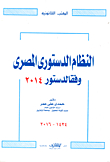

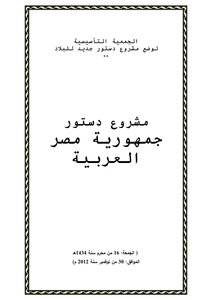



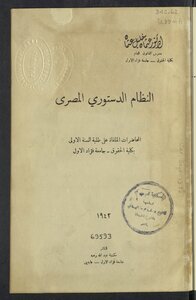


Other books for "Rajab Abdul Hamid"


If there is a problem with the book, please report through one of the following links:
Report the book or by Contact us
E-books are complementary and supportive of paper books and never cancel it. With the click of a button, the e-book reaches anyone, anywhere in the world.
E-books may weaken your eyesight due to the glare of the screen. Support the book publisher by purchasing his original paper book. If you can access it and get it, do not hesitate to buy it.
Publish your book now for free