Methods Of Drug Control In The Arab World: Jurisprudence - Legislation - Jurisprudence - Judiciary

Account upgrade
The download is free, but we offer some paid services. Support us by subscribing
Delete ads and speed up browsing the library.
The download starts with the click of a button without waiting for the book to be ready.
No limits for download times.
You can upload unlimited books in the library.
Enable readers to download your books without waiting.
Delete ads on the books that you publish.
No problems with download links for your uploaded books.
Book Methods Of Drug Control In The Arab World Jurisprudence Legislation Jurisprudence Judiciary
Copyright reserved
The book cannot be previewed or downloaded in order to preserve the copyright of the author and publishing house
Not available digitally or on paper through the Noor Library, it is for rating and review



Methods Of Drug Control In The Arab World: Jurisprudence - Legislation - Jurisprudence - Judiciary
| Author: | Mahmoud Zaki Shams |
| Category: | Teaching Methods And Teaching Methods [Edit] |
| Language: | Arabic |
| Publisher: | خاص |
| Release Date: | 01 Jan 1995 |
| Pages: | 1248 |
| Rank: | 366,435 No 1 most popular |
| Short link: | Copy |
| More books like this book | |
Book Description
منذ سنوات طويلة تتوق المكتبة العربية والسورية إلى مؤلف واسع شامل، يضم دراسة مشكلة المخدرات في الوطن العربي عامة، وفي سورية خاصة، فجاء المحامي محمود زكي شمس ليضع كتاباً عنوانه: "أساليب مكافحة المخدرات في الوطن العربي فقهاً، تشريعاً، اجتهاداً، قضاءً".
وقد استعرض المؤلف في الباب الأول من هذا الكتاب تاريخ المخدرات ونشأتها ، ومضارها الصحية والاجتماعية والاقتصادية، وموقف الشريعة الإسلامية منها، ثم انتقل في الباب الثاني إلى شرح طبيعة المواد المخدرة بذاتها ليبين مصادر الحشيش والأفيون والكوكايين والقات، وأنواع المؤثرات العقلية أو المواد النفسية التي انتشرت في العقود الأخيرة من هذا القرن مع انتشار الصناعة الدوائية وتوسعها.
وبعد هذا الباب الواسع، تحول المؤلف في الباب الثالث إلى الجانب القانوني للمشكلة، فاستعرض مواقف قوانين المخدرات العربية من استيراد المواد المخدرات وتصديرها ونقلها وتهريبها وصنعها وزراعتها والاتجار بها وحيازتها وتعاطيها، فشرح هذه المواقف، وقارن بينها، في ضوء الاتجاهات الحديثة التي اختارت أفضل السبل لمكافحة الاتصال غير المشروع بالمواد المخدرة والمؤثرات العقلية.
وفي الباب الرابع جمع المؤلف عدداً كبيراً من الاتفاقيات الدولية المتعلقة بإساءة استعمال المخدرات والمؤثرات العقلية، ولاسيما الاتفاقية الوحيدة للمخدرات لعام 1961 وتعديلها في عام 1972، واتفاقية المؤثرات العقلية لعام 1971، ثم أضاف في هذا الباب عرضاً لظاهرة إساءة استعمال المخدرات في كل من الإمارات العربية المتحدة وإيران، وانتهى إلى ملحق يضم بنود الإستراتيجية العربية لمكافحة الاستعمال غير المشروع للمخدرات والمؤثرات العقلية، ونصوص القانون العربي الموحد للمخدرات النموذجي، وقانون المخدرات السوري رقم/2/ لعام 1993، ونصوص عدداً آخر من قوانين المخدرات التي سنتها بعض الدول العربية، فأكمل بذلك كتاباً يقدم للقارئ العربي، مرجعاً علمياً كبير الفائدة في التعرف على مشكلة من أكبر مشكلات العصر الحاضر وأشدها فتكاً بالأفراد والمجتمعات والدول.

Copyright reserved
The book cannot be previewed or downloaded in order to preserve the copyright of the author and publishing house
Not available digitally or on paper through the Noor Library, it is for rating and review
Share the book :
Book Review "Methods Of Drug Control In The Arab World: Jurisprudence - Legislation - Jurisprudence - Judiciary"


Other books like "Methods Of Drug Control In The Arab World: Jurisprudence - Legislation - Jurisprudence - Judiciary"



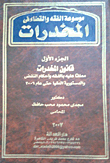
Other books for "Mahmoud Zaki Shams"

If there is a problem with the book, please report through one of the following links:
Report the book or by Contact us
E-books are complementary and supportive of paper books and never cancel it. With the click of a button, the e-book reaches anyone, anywhere in the world.
E-books may weaken your eyesight due to the glare of the screen. Support the book publisher by purchasing his original paper book. If you can access it and get it, do not hesitate to buy it.
Publish your book now for free