The Soul In The Circle Of Islamic Thought: Its Reality - Its Motives - Its Emotions - Its Storms

Account upgrade
The download is free, but we offer some paid services. Support us by subscribing
Delete ads and speed up browsing the library.
The download starts with the click of a button without waiting for the book to be ready.
No limits for download times.
You can upload unlimited books in the library.
Enable readers to download your books without waiting.
Delete ads on the books that you publish.
No problems with download links for your uploaded books.
Book The Soul In The Circle Of Islamic Thought Its Reality Its Motives Its Emotions Its Storms
Copyright reserved
The book cannot be previewed or downloaded in order to preserve the copyright of the author and publishing house
Not available digitally or on paper through the Noor Library, it is for rating and review

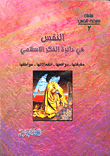

The Soul In The Circle Of Islamic Thought: Its Reality - Its Motives - Its Emotions - Its Storms
| Author: | Ahmed AlQubanji |
| Category: | Motives And Emotions [Edit] |
| Language: | Arabic |
| Publisher: | دار المحجة البيضاء للطباعة والنشر والتوزيع السلسلة: معرفة النفس |
| Release Date: | 01 Jan 2001 |
| Pages: | 299 |
| Rank: | 285,608 No 1 most popular |
| Short link: | Copy |
| More books like this book | |

Ahmed Alqubanji
The Author Book The Soul In The Circle Of Islamic Thought: Its Reality - Its Motives - Its Emotions - Its Storms and the author of 11 another books.
أحمد حسن علي القبانجي باحث وكاتب شيعي ليبرالي عراقي ولد في النجف في 2 يناير 1958.
ألف عديدا من الكتب كما ترجم عددا من كتابات المفكر الإيراني الدكتور عبد الكريم سروش.
درس في الحوزة الدينية في النجف منذ عام 1974 حيث درس الفقه والاصول على أساتذتها وغادر العراق عام 1979 في عهد صدام حسين إلى سوريا ولبنان واستقر في إيران حيث درس في قم، وتبلور فكره أثناء وجوده في إيران، وعاد عام 2008 إلى العراق.
Book Description
هذا الكتاب هو الحلقة الثانية في سلسلة معرفة النفس، وقد سبق في الحلقة الأولى أن استعرض المؤلف مجمل المدارس والنظريات غير الإسلامية في علم النفس من يونانية وبودائية ومسيحية وغربية حديثة ليتسنى له في هذه الحلقة التفرغ لدراسة حكماء الإسلام ومعطيات الفكر الإسلامي في دائرة النفس وحقيقتها ودوافعها وعواطفها وأمثال ذلك لرفد المكتبة الإسلامية بالبحوث والدراسات النفسانية اللازمة في بناء المشروع الحضاري الإسلامي وترسيخ القاعدة المعرفية للإنسان المسلم في مواجهة التيارات الواردة التي تهدف إلى تغريب الشعوب المسلمة وانتهاب ثقافتهم والإجهاز على موروثهم لقراءة أولية لأدوات البحث فهم الأسس التي ينطلق منها لاستجلاء خصائص المدرسة الإسلامية النفسانية.
الفصل الثاني: يعرض لبحوث حكماء الإسلام في ما هية النفس والروح وآرائهم في مسألة حدوث النفس وتجردها ومراتبها وما إلى ذلك. الفصل الثالث: جاء ليبين الدوافع النفسية وتقسيماتها وليستعرض المهم منها وخاصة ما يتعلق بالدوافع الوهمية وتمييزها عن الدوافع الحقيقية.
الفصل الرابع تم فيه بحث الانفعالات من الخوف والغضب والحزن والفرح والغيرة، وأمثال ذلك مع بيان أسبابها وأشكالها وطرق علاج الحالات السلبية منها. الفصل الخامس: دار البحث فيه عن العواطف والعادات وأشكالها. أما الفصل السادس والأخير فاستعرض مسألة "الإدارة" وآراء الفلاسفة والعلماء في حقيقتها وأهميتها والأساليب العلمية لتربية الإدارة وتقويتها.

Copyright reserved
The book cannot be previewed or downloaded in order to preserve the copyright of the author and publishing house
Not available digitally or on paper through the Noor Library, it is for rating and review
Share the book :
Book Review "The Soul In The Circle Of Islamic Thought: Its Reality - Its Motives - Its Emotions - Its Storms"

Book Quotes "The Soul In The Circle Of Islamic Thought: Its Reality - Its Motives - Its Emotions - Its Storms"

Other books like "The Soul In The Circle Of Islamic Thought: Its Reality - Its Motives - Its Emotions - Its Storms"













Other books for "Ahmed AlQubanji"



If there is a problem with the book, please report through one of the following links:
Report the book or by Contact us
E-books are complementary and supportive of paper books and never cancel it. With the click of a button, the e-book reaches anyone, anywhere in the world.
E-books may weaken your eyesight due to the glare of the screen. Support the book publisher by purchasing his original paper book. If you can access it and get it, do not hesitate to buy it.
Publish your book now for free