Poetics And Culture - The Concept Of Biblical Awareness And Its Features In Ancient Arabic Poetry

Account upgrade
The download is free, but we offer some paid services. Support us by subscribing
Delete ads and speed up browsing the library.
The download starts with the click of a button without waiting for the book to be ready.
No limits for download times.
You can upload unlimited books in the library.
Enable readers to download your books without waiting.
Delete ads on the books that you publish.
No problems with download links for your uploaded books.
Book Poetics And Culture The Concept Of Biblical Awareness And Its Features In Ancient Arabic Poetry
Copyright reserved
The book cannot be previewed or downloaded in order to preserve the copyright of the author and publishing house
Not available digitally or on paper through the Noor Library, it is for rating and review



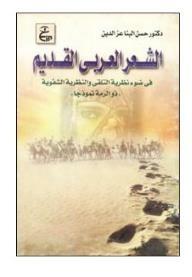
Poetics And Culture - The Concept Of Biblical Awareness And Its Features In Ancient Arabic Poetry
| Author: | Hassan AlBanna Ezz AlDin |
| Category: | Poetic Arts [Edit] |
| Language: | Arabic |
| Publisher: | المركز الثقافي العربي |
| Release Date: | 01 Jul 2003 |
| Pages: | 350 |
| Rank: | 299,871 No 1 most popular |
| Short link: | Copy |
| More books like this book | |
Book Description
يشمل هذا الكتاب، بالإضافة غلى مقدمة، تمهيداً وثلاثة فصول رئيسية، يتفرع كل منها إلى عدد من الفقرات المطولة التي هي أقرب إلى فصول، ويشتمل بعضها كذلك علة نقاط فرعية. وقد نمت فكرة الكتاب من واقع اهتمام المؤلف بالشعر العربي قبل الإسلام وبعده من منظور الشفوية والكتابية وفي ضوء النظريات النقدية المعاصرة حول التسوية والكتابة والثقافة والقراءة.
ومن ثم يتناول في التمهيد تلك المفاهيم الأربعة الأخيرة من أجل استكشاف علاقتها بمفهوم الوعي الكتابي وعلاقته بها. أما مفهوم الوعي الكتابي نفسه فيسعى إلى تأسيسه نظرياً في الفصل الأول في سياق إشكالياته المختلفة وتطبيقياً في الفصلين الثاني والثالث عبر ملامح "طبيعته له وأخرى ثقافية" شغلت شعراء العربية ووجدت مكانها في نسيج شعرهم.
يسعى هذا الكتابُ إلى اكتشاف تصوّر الشعراء العرب القدماء لما يطلق عليه المؤلف مفهوم الوعي الكتابي وطرائق تشكيلهم هذا المفهوم وحضوره في شعرهم، وخصوصاً من خلال مفردات الصنعة نفسها؛ أي الكتابة.
والوعي الكتابي، هو الوعي بالذات الذي يتجلّى في الشعر من خلال الوعي "بالوظيفة الشعرية"؛ أي وعي الشاعر بالرسالة التي يقوم عليها عمله، أو وعيه بهيمنة تلك الوظيفة على الوظائف الأخرى في عمله بوصفه لغة.
ولتحقيق هدف الكتاب علياً تناولنا مادة شعرية، تمتدّ بين الشعراء العرب قبل الإسلام وبعده حتى القرن السابع الهجري، على محورين أساسيين: استخدام صورة الكتابة/الشعر ومفرداتهم في رؤية الذات والعالم (طبيعة وثقافة) من جهة، واستخدام صورة الذات والعالم في رؤية الكتاب/الشعر ومفرداتها من جهة أخرى. وتنعكس ضمنياً إحدى الصورتين على الأخرى وتمثّلان معاً نوعاً من التوازي القاعدي، إذا جاء التعبير، للوعي الكتابي بالوظيفة الشعرية، وعنصراً مركزياً في تكوين الرسالة الشعرية في الوقت نفسه.
ليس هناك "قديم" و"حديث" بمعنى مطلق في الأدب والنقد، بل هناك بناءٌ حيٌّ لوعي الإنسان/المبدع بذاته وثقافته ومجتمعه والكون الذي يحيا فيه عبر العصور. ولا شك في وجود ملامح "تاريخية" في ذلك البناء ولكنها لا تتخذ قيمة حقيقية إلا من وجودها الفعّال.

Copyright reserved
The book cannot be previewed or downloaded in order to preserve the copyright of the author and publishing house
Not available digitally or on paper through the Noor Library, it is for rating and review
Share the book :
Book Review "Poetics And Culture - The Concept Of Biblical Awareness And Its Features In Ancient Arabic Poetry"

Book Quotes "Poetics And Culture - The Concept Of Biblical Awareness And Its Features In Ancient Arabic Poetry"

Other books like "Poetics And Culture - The Concept Of Biblical Awareness And Its Features In Ancient Arabic Poetry"







Other books for "Hassan AlBanna Ezz AlDin"



If there is a problem with the book, please report through one of the following links:
Report the book or by Contact us
E-books are complementary and supportive of paper books and never cancel it. With the click of a button, the e-book reaches anyone, anywhere in the world.
E-books may weaken your eyesight due to the glare of the screen. Support the book publisher by purchasing his original paper book. If you can access it and get it, do not hesitate to buy it.
Publish your book now for free