Architecture Art

Account upgrade
The download is free, but we offer some paid services. Support us by subscribing
Delete ads and speed up browsing the library.
The download starts with the click of a button without waiting for the book to be ready.
No limits for download times.
You can upload unlimited books in the library.
Enable readers to download your books without waiting.
Delete ads on the books that you publish.
No problems with download links for your uploaded books.
Book Architecture Art
Copyright reserved
The book cannot be previewed or downloaded in order to preserve the copyright of the author and publishing house
Not available digitally or on paper through the Noor Library, it is for rating and review

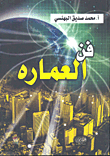

Architecture Art
| Author: | Muhammad Siddiq AlBahnasy |
| Category: | Sculpture And Architecture [Edit] |
| Language: | Arabic |
| Publisher: | مكتبة المجتمع العربي للنشر والتوزيع، دار صفاء للطباعة والنشر والتوزيع |
| Release Date: | 01 Jan 2015 |
| Pages: | 327 |
| Rank: | 318,974 No 1 most popular |
| Short link: | Copy |
| More books like this book | |
Book Description
تعود بواكير التنظير في العمارة والفنون إلى أزمنة غابرة، وتناغمت مع الخطاب العقلي الخاص بالحقبة الزمنية فتحولت من أسطورية إلى وصفية ثم مادية، ولم تطأ المنهج التحليلي إلا خلال القرنين الماضيين، ولم تخلوا مصنفات التراث من حديث عن العمارة بما لا يمكن أن يشكل قاعدة بحثية منفصلة أو نظرية قائمة، ويمكن أن يعود إطلاق تسمية (العمارة الإسلامية) إلى القرن التاسع عشر على يد المستشرقين الغربيين، على قاعدة كونها مفهوم ومسمي ورد من كنف التراث الثقافي الإسلامي، وليس بحالة مجسدة للعقيدة الإسلامية.
ويذهب الغربيون إلى أن أول من نظّر للعمارة في العالم هو الروماني فيرتروفيوس (عاش حوالي عام 85 ق.م) صاحب المثلث المعروف بإسمه، ثم ورد اسم البرتي وبالاديو في إيطاليا عصر النهضة ليسيروا بالتدوين المعماري قدماً، وتلاهم الفرنسي (يوجين فيوليه لو دوك - 1814 - 1879)، الذي يعتبر من رواد المدرسة التحليلية والوظيفية، التي شرعت بالقفز إلى عمارة الهياكل الحديدية في أواسط القرن التاسع عشر، وأمتد تصاعدياً حتى عمارة القرن العشرين ونظريات العمارة والتنظير والنقد المعماري.
وبالرغم من كون المعالم المعمارية القديمة هي خير وثيقة مقروءة لما وطأته فنونها في الماضي، ولكن يبقى للحالة التدوينية النظرية أهمية في تحديد المنهجية الفكرية التي أسست لها، وكان للتلاقح الحضاري بين الإسلام وجنوب أوروبا أثره في خروج طرز معمارية بعينها كالرومانسك والقوطي والباروك التي لم تكن قطعاً وليدة إلهام هبط من السماء، ولا سيما في ظروف التخلف، بقدر كون تلك الطرز إمتدادات لجذور جلبتها العمائر والفنون المجاورة الأرقي، وتتمثل في عمائر الإسلام، وهكذا قدم الشرق الإسلامي حصيلة نتاجه المعماري إلى الغرب الأوروبي المسيحي، الذي أسبغ عليها تسميات وإصطلاحات.
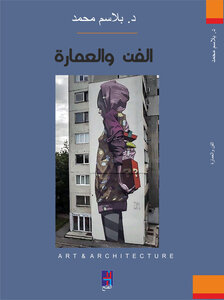
وهذا كتاب هام، يسلط الضوء على مضامين فن العمارة بشتى حالاتها وقد قسمه الكاتب إلى ثلاثة وحدات؛ تحدث في الوحدة الأولى عن بعض المفاهيم المعمارية، أما الوحدة الثانية فعرض فيها أشكال وعناصر العمارة، وقدم في الوحدة الثالثة الفن المعماري ببعض الدول.

Copyright reserved
The book cannot be previewed or downloaded in order to preserve the copyright of the author and publishing house
Not available digitally or on paper through the Noor Library, it is for rating and review
Share the book :
Book Review "Architecture Art"

Book Quotes "Architecture Art"

Other books like "Architecture Art"

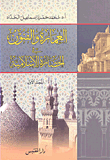
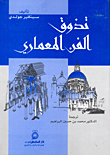




Other books for "Muhammad Siddiq AlBahnasy"
If there is a problem with the book, please report through one of the following links:
Report the book or by Contact us
E-books are complementary and supportive of paper books and never cancel it. With the click of a button, the e-book reaches anyone, anywhere in the world.
E-books may weaken your eyesight due to the glare of the screen. Support the book publisher by purchasing his original paper book. If you can access it and get it, do not hesitate to buy it.
Publish your book now for free