Islamic Currents And The Issue Of Democracy

Account upgrade
The download is free, but we offer some paid services. Support us by subscribing
Delete ads and speed up browsing the library.
The download starts with the click of a button without waiting for the book to be ready.
No limits for download times.
You can upload unlimited books in the library.
Enable readers to download your books without waiting.
Delete ads on the books that you publish.
No problems with download links for your uploaded books.
Book Islamic Currents And The Issue Of Democracy
Copyright reserved
The book cannot be previewed or downloaded in order to preserve the copyright of the author and publishing house
Not available digitally or on paper through the Noor Library, it is for rating and review

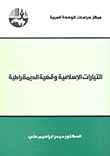

Islamic Currents And The Issue Of Democracy
| Author: | Haider Ibrahim Ali |
| Category: | Democratic Leadership [Edit] |
| Language: | Arabic |
| Publisher: | مركز دراسات الوحدة العربية |
| Release Date: | 01 Jan 1999 |
| Pages: | 392 |
| Rank: | 780,677 No 1 most popular |
| Short link: | Copy |
| More books like this book | |
Book Description
ظل اهتمام التيارات والتنظيمات الإسلامية السياسية بقضية الديمقراطية لا تيعدى العموميات والمساجلات التي تحاول تأكيد أسبقية الإسلام. ولكن في السنوات الأخيرة لم تعد مسألة الديمقراطية مجرد هم نظري أو نقاش فكري، فقد أصبحت هذه التيارات والتنظيمات مطالبة بتحديد مواقف عملية وتأكيد ديمقراطيتها من خلال الممارسة والعمل اليومي والاحتكاك بالآخرين. لذلك نلاحظ اختلاف معالجة الإسلاميين قضية الديمقراطية على المستوى الفكري والعملي بعد أن أصبحت جزءاً لا يتجزأ من الصراع السياسي. فالحركات الإسلامية السياسية تحاول تنسيب الديمقراطية مباشرة إلى الإسلام، أي بتأكيد أن مفاهيم وقيم الديمقراطية وحقوق الإنسان هي من الشرائع الملزمة للمسلمين، وبالتالي لم تظهر المطالبة الراهنة بها نتيجة ضغوط ومستجدات خارجية تفرض على الإسلامويين والمسلمين ضورة اللحاق بالعصر، وتبني قيمه ومفاهيمه وفقاً لشروط الآخر. وهذه مرحلة متطورة في فكر الحركات الإسلامية السياسية التي انتقلت بنا يمكن تسميته "فكر الشبهات"، أي الرد على نقد الإسلام بسبب ما يعتبر فهماً ناقصاً أو مغلوطاً أو مغرضاً لتعاليم الدين. وقد تركز ذلك النقد على موقف الإسلام من قضايا مثل الديمقراطية والمرأة والرق والعدالة الاجتماعية ووضعية غير المسلمين. وهذا ما يسميه بعضهم: التيار الثقافي الدفاعي الإسلامي، مقابل المرحلة الراهنة التي يحاول المسلمون فيها تأكيد الذات. لذلك نفهم حوار الإسلاميين السياسيين على ضوء المرحلة الأخيرة، أي التركيز على خصوصية المجتمعات الإسلامية في التعامل مع الثقافة السياسية والمفاهيم والقيم الآتية من خارج البنية الإسلامية. وفي هذا الصدد، نواجه بأسئلة مثل: أي إسلام نقصد؟ وأية ديمقراطية نريد؟ وهل يقبل الإسلامويون الديمقراطية كاملة أم ينتقون منها ما يساعدهم في تحقيق أهدافهم، أي هل الديمقراطية مقبولة لديهم غاية ووسيلة؟

Copyright reserved
The book cannot be previewed or downloaded in order to preserve the copyright of the author and publishing house
Not available digitally or on paper through the Noor Library, it is for rating and review
Share the book :
Book Review "Islamic Currents And The Issue Of Democracy"

Book Quotes "Islamic Currents And The Issue Of Democracy"

Other books like "Islamic Currents And The Issue Of Democracy"
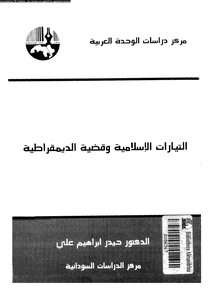
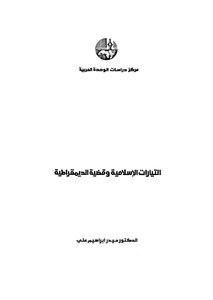

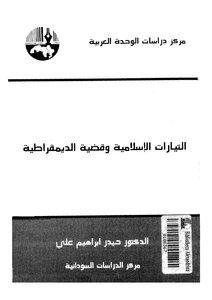


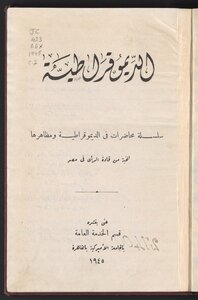
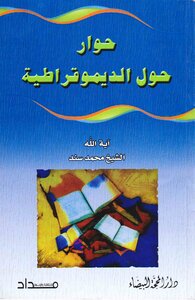
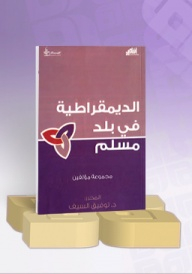
Other books for "Haider Ibrahim Ali"


If there is a problem with the book, please report through one of the following links:
Report the book or by Contact us
E-books are complementary and supportive of paper books and never cancel it. With the click of a button, the e-book reaches anyone, anywhere in the world.
E-books may weaken your eyesight due to the glare of the screen. Support the book publisher by purchasing his original paper book. If you can access it and get it, do not hesitate to buy it.
Publish your book now for free